US Senate Clears Russia Sanctions Bill, India and China Face 100% Tariff Risk
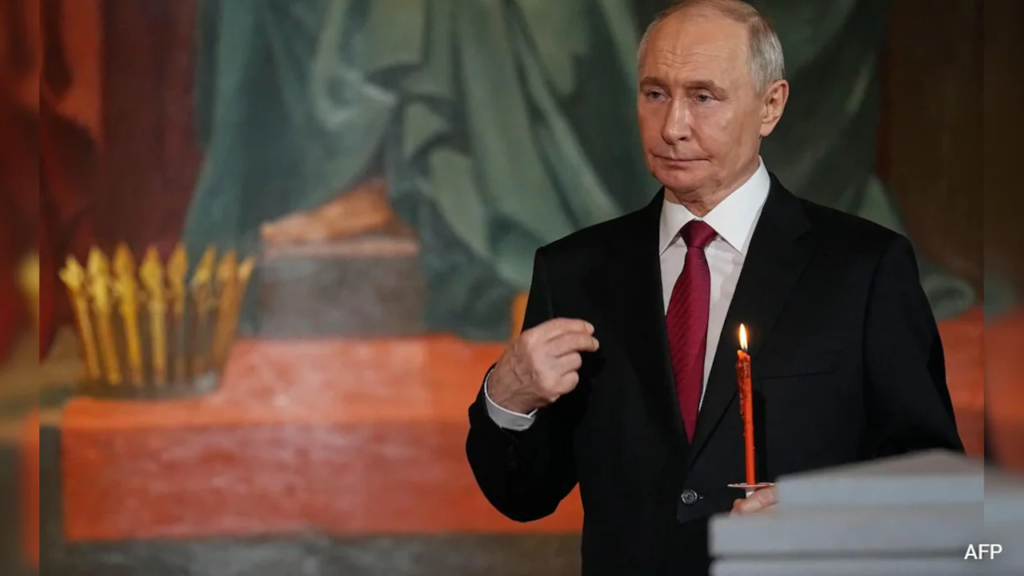
New Delhi : The US Senate has passed a bipartisan bill that could give President Donald Trump the power to impose tariffs of up to 100% on countries that continue buying Russian oil and natural gas.
The legislation, which passed with a strong 86-11 vote, could have major implications for countries such as India and China, two of the biggest buyers of Russian energy.
The bill has been named in honour of Republican Senator Lindsey Graham, a prominent supporter of Ukraine who died on July 11. Graham had spent considerable time pushing for tougher measures against Russia over its war in Ukraine.
His sister, Darline Graham, who succeeded him in the Senate, welcomed the legislation, saying it would put pressure on Russian President Vladimir Putin.
Democratic Senator Richard Blumenthal, who had worked alongside Graham to advance the bill, also backed its passage. He said the legislation sends a message to Ukraine that it is not standing alone in the conflict.
What does the bill mean for India and China?
The proposed legislation would allow the US President to impose tariffs of up to 100% on the top five buyers of Russian oil or natural gas.
India and China are currently among those major importers. Azerbaijan, Hungary and Slovakia are also listed among the top five buyers under the criteria outlined in the legislation.
However, the bill includes certain exemptions. Countries importing less than 15% of their natural gas from Russia and taking steps to reduce their dependence could qualify for an exception.
The legislation also proposes sanctions targeting senior Russian political and military officials, financial institutions and energy projects.
Pressure on Russia’s oil trade
The bill would further strengthen US efforts to restrict Russia’s energy revenues by targeting older and reflagged oil tankers allegedly used to bypass existing sanctions.
At the same time, the White House would retain the ability to waive sanctions or restrictions if the President determines that doing so is in the US national interest and certifies the decision to Congress.
The package also seeks to extend the Iran Sanctions Act of 1996 until 2031, keeping penalties in place for companies investing in Iran’s energy sector.
What happens next?
The legislation now moves to the US House of Representatives, which is expected to consider the bill when it reconvenes on August 31.
If ultimately approved and signed into law, the measure could significantly increase pressure on countries maintaining major energy ties with Russia, while potentially creating fresh challenges for India’s oil imports and its broader trade relationship with the United States.
News source: Information for this article was gathered from a variety of reliable news outlets.