Ayodhya-Style Transformation for Mathura-Vrindavan: Inside UP’s Rs 1,051-Crore Development Push
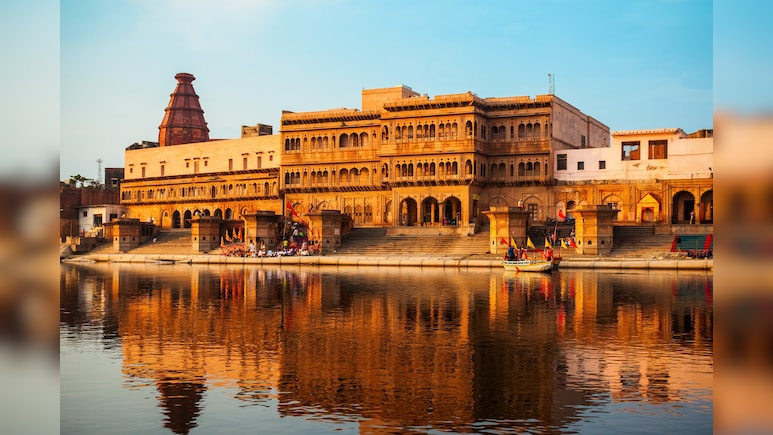
Ayodhya’s transformation has changed the way religious tourism can reshape a city. Hotels are filling up months in advance, property values around the Ram Mandir have surged, and investors are increasingly looking at the city as a major tourism and real estate destination.
Now, Uttar Pradesh is turning its attention to another major religious centre — Mathura and Vrindavan, the heartland of Lord Krishna.
Earlier this month, Uttar Pradesh Chief Minister Yogi Adityanath announced 229 development projects worth Rs 1,051 crore across Mathura and Vrindavan. The projects were launched during Krishna Janmashtami, shortly after the chief minister offered prayers at the Shri Krishna Janmabhoomi temple.
The plan goes well beyond roads and basic civic infrastructure. The state is also looking at large-scale temple and tourism infrastructure, with Adityanath talking about developing grand temple complexes in Braj along the lines of projects seen in Ayodhya and Kashi.
What Is Being Built?
Of the total Rs 1,051-crore package, 62 projects worth Rs 540 crore have already been inaugurated, while foundation stones have been laid for another 167 projects costing more than Rs 437 crore.
An additional Rs 72 crore has been transferred directly to beneficiaries under various housing schemes.
Among the most significant projects are:
Four-lane road connecting the Yamuna Expressway to Vrindavan:
A Rs 251-crore road project aims to provide a smoother connection between the Yamuna Expressway and Vrindavan. The route is expected to reduce congestion on the narrow roads currently used by pilgrims leaving the expressway. Dedicated lanes and LED lighting are also part of the project.
New bridge over the Yamuna:
A new two-lane bridge is being developed to reduce pressure on existing bridges and pontoons while improving connectivity between rural areas and important facilities such as hospitals and markets in Mathura.
12-storey tourist hostel:
A Rs 47-crore tourist hostel is being built at the Nayara Police Lines campus. The facility is expected to help accommodate the huge crowds that arrive during festivals such as Janmashtami, Holi and Radhashtami.
Civic training centre in Vrindavan:
Around Rs 31 crore has been allocated for a centre designed to train municipal employees in areas such as cleanliness, smart civic services and managing large numbers of pilgrims.
Wider master-plan road in Chhata:
A Rs 86-crore, 30-metre-wide road is planned to divert freight traffic away from village lanes while also opening up opportunities for commercial development.
Flyover and Chhatikara road makeover:
A Rs 44-crore flyover is expected to ease congestion at the junction connecting the expressway link road with the Mathura-Vrindavan highway. Another Rs 35 crore will be spent beautifying Chhatikara Road, an important gateway to Vrindavan from NH-19. The work includes landscaping, footpaths, cycle tracks and underground electrical wiring.
And the plans don’t end there.
Authorities have also outlined projects including a ropeway in Vrindavan, large parking facilities, the Raya Urban Node, Surdas Brajbhasha Academy and Saurabhi Van — a proposed 400-acre urban forest that officials are describing as one of the largest of its kind in Asia.
Temples on the Scale of Ayodhya and Kashi
The infrastructure projects may be grabbing attention, but the bigger announcement came when Adityanath spoke about the future of Braj’s religious infrastructure.
The chief minister said the region would receive grand temple complexes comparable in scale to those being developed in Ayodhya and Kashi, arguing that the projects reflect the religious and cultural importance of Braj.
The announcement also carries obvious political significance. The BJP has for years promoted the idea that after Ayodhya and Kashi, Mathura would be another major focus of its cultural and religious agenda.
With the 2027 Uttar Pradesh Assembly elections approaching, the timing is likely to attract political attention. But beyond politics, the scale of investment could have a lasting impact on the region’s tourism and economy.
Why Real Estate Could Be the Next Big Story
Infrastructure and property markets often move together.
When travel becomes easier, destinations that were once considered inconvenient suddenly become more attractive for tourists, second-home buyers and businesses.
The improved road network is expected to make Mathura and Vrindavan significantly easier to reach from Delhi-NCR, Noida and Greater Noida. That could encourage more weekend visitors and increase demand for hotels, guest houses, serviced apartments and second homes.
The growing tourist footfall could also create opportunities for restaurants, retail outlets and other businesses catering to pilgrims and long-stay visitors.
Vrindavan has already emerged as a popular destination for people looking for a quieter, spiritually oriented lifestyle after retirement or for extended stays. Better infrastructure could accelerate that trend.
The Chhata master-plan road could also create opportunities beyond tourism, particularly in warehousing, logistics and commercial development.
Real Estate Industry Sees a Turning Point
Ankit Aggarwal, Director of Devika Group, described the Rs 1,051-crore investment as an important moment for the Braj region.
He said the development programme was not simply about roads and construction but also about improving connectivity, civic amenities, tourism and cultural infrastructure as Vrindavan continues to grow as a destination for spiritual tourism, second homes and long-stay living.
Aggarwal also noted that better roads and civic services could make Vrindavan more accessible and liveable, potentially supporting more organised real estate development.
At the same time, he stressed that Vrindavan cannot be treated like a conventional emerging property market. Its biggest strength is its spiritual and cultural identity, and future development will need to protect that character.
That means paying attention not just to highways and buildings, but also to parking, sanitation, water management, green spaces, internal connectivity and heritage conservation.
Development Without Losing Vrindavan’s Soul
That may ultimately be the biggest challenge.
Vrindavan is not an empty piece of land waiting to be turned into a modern city. It is a living pilgrimage town filled with ancient temples, narrow lanes, ghats and centuries-old traditions.
Rapid development could improve the lives of residents and make the city more accessible to millions of visitors. But if poorly planned, it could also damage the very character that attracts pilgrims and tourists in the first place.
The challenge for the government will therefore be to find the right balance — better roads without destroying the old ones, modern facilities without erasing heritage, and economic growth without losing the spiritual atmosphere of Braj.
Ayodhya has demonstrated how religious tourism combined with major infrastructure investment can transform a city. Mathura and Vrindavan now appear to be entering a similar phase, backed by substantial public investment and growing political attention.
The real test will be whether Braj can modernise while still remaining unmistakably Braj.
News Source : Information for this article was gathered from a variety of reliable news outlets.