Passport Isn’t Proof of Citizenship? Government Clarifies Amid Growing Debate and Public Confusion
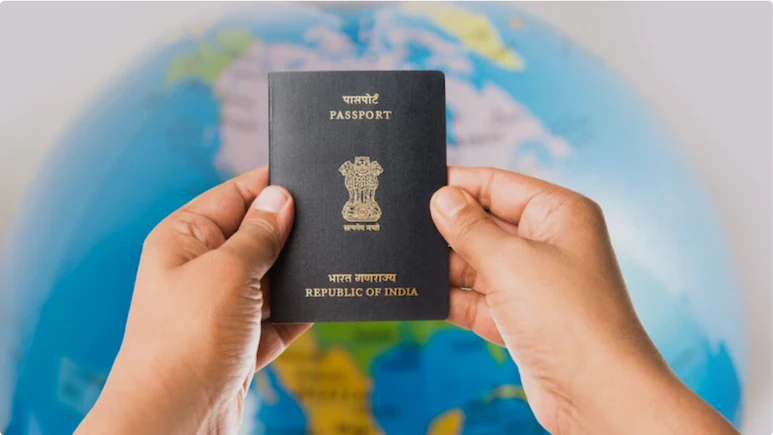
New Delhi , June 25 : A fresh debate over Indian passports and citizenship has sparked widespread discussion after government sources clarified that a passport, while widely accepted as an important identity document, is not legally considered definitive proof of Indian citizenship.
The controversy began after a Ministry of External Affairs official stated that a passport is “strictly a travel document” and should not be treated as legal proof of citizenship. The remark quickly triggered reactions across social media, with many questioning how a document issued by the Government of India after detailed verification could not confirm citizenship.
Critics argued that passports involve strict background checks, including police verification and identity confirmation, making them one of the most trusted government-issued documents. Many found it difficult to accept that such a document would not serve as final proof of nationality.
Among those raising concerns was veteran lyricist Javed Akhtar, who called the government’s position “absurd” and questioned why passports are issued if citizenship itself is uncertain. Aaditya Thackeray also questioned whether this could affect the credibility of Indian passports abroad.
Government sources, however, explained that the distinction is based on law. Under the Passports Act of 1967, passports can technically be issued even to certain non-citizens under specific circumstances. Because of this legal provision, possession of a passport alone cannot be treated as conclusive proof of citizenship.
The matter of citizenship is governed separately under the Citizenship Act of 1955, which legally determines who is and isn’t an Indian citizen.
Former diplomat Nirupama Menon Rao explained that while the law separates passports and citizenship status, public understanding often sees them as the same. She noted that a passport mainly serves as an international identity and travel document, while citizenship is a broader legal status.
Experts say that in practical life, passports are still among the strongest and most widely accepted documents proving nationality. However, if someone needs definitive proof of citizenship, documents like a birth certificate or an official citizenship certificate remain the strongest legal evidence.
The controversy has once again highlighted the confusion surrounding identity documents in India, where Aadhaar, PAN, voter ID, and passports often overlap in use—but not always in legal meaning.
News source: Information for this article was gathered from a variety of reliable news outlets.