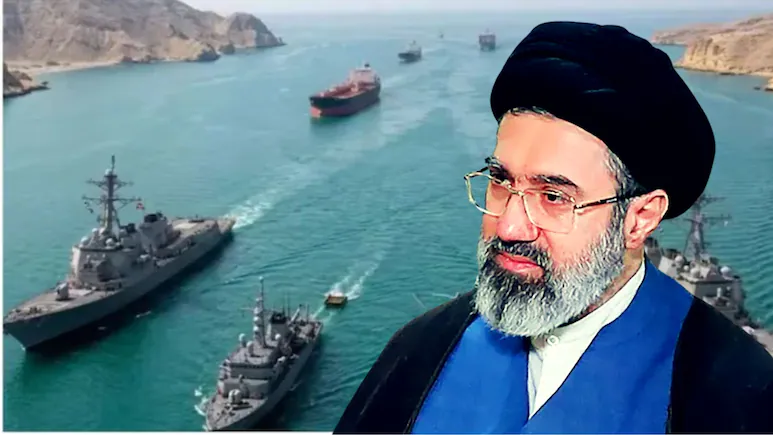
Iran Issues ‘Quadruple Retaliation’ Warning to Gulf Nations Amid Rising Tensions With United States
Tensions in the Middle East have taken another sharp turn, with Iran sending a strong and unmistakable message to its Gulf neighbours: stay out of the conflict—or face severe consequences.
Iran’s Vice President, Esmail Saghab Esfahani, warned that any support extended to Washington could trigger a “quadruple” retaliation. In simple terms, he suggested that if even one Iranian oil facility is damaged, the response would be four times as intense against those seen as backing the aggression.
His statement reflects growing anxiety in Tehran as pressure mounts from the United States, led by Donald Trump, whose recent remarks hinted at tightening the economic and strategic squeeze on Iran’s oil exports. Trump has openly suggested that continued restrictions could cripple Iran’s ability to move and store oil, striking at the heart of its economy.
At the center of this standoff is the Strait of Hormuz—a narrow but critical route through which a significant portion of the world’s oil flows. Any disruption here doesn’t just impact the region; it sends shockwaves across global energy markets.
Adding another layer to the rhetoric, Iran’s Parliament Speaker Mohammad Bagher Ghalibaf framed the situation as a strategic “numbers game.” He argued that Iran holds powerful “supply cards,” including the ability to influence key chokepoints like the Bab el-Mandeb Strait and regional pipelines—tools that could disrupt global oil flow if tensions escalate further.
Behind the strong words lies a deeper concern: timing. With global oil demand set to rise during the summer months, any prolonged disruption could send fuel prices soaring—especially in the US, where domestic political pressure could intensify ahead of key elections.
For ordinary people, far from the corridors of power, this geopolitical chess match could translate into something much closer to home—higher fuel prices, economic uncertainty, and a reminder of how interconnected the world truly is.
As the situation unfolds, the hope remains that diplomacy finds its way back to the table before rhetoric turns into reality.
News Source : Information for this article was gathered from a variety of reliable news outlets.