Iran Seeks New Role in Strait of Hormuz, Proposes Shipping Fees Worth Up to $40 Billion Annually
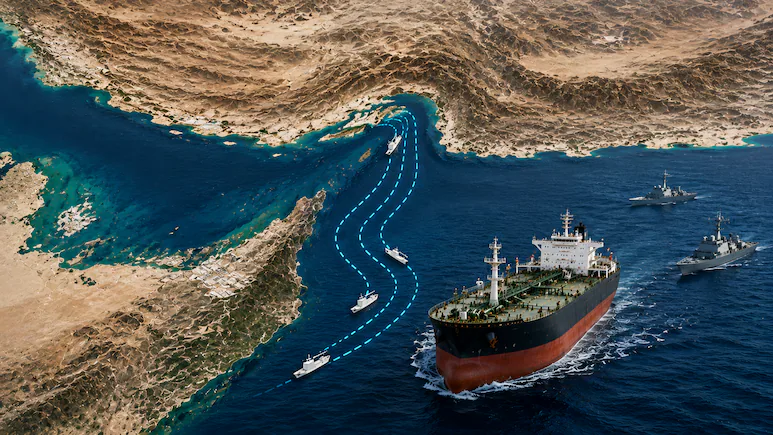
Iran is pushing for a major overhaul of how the Strait of Hormuz is managed, proposing a system that would charge vessels for maritime services and potentially generate up to $40 billion in annual revenue for countries involved in maintaining the crucial waterway.
According to a report by The Wall Street Journal, Tehran is presenting the proposal as part of a broader post-conflict vision for the Gulf region. Iranian officials argue that the management of the strategic strait — a key route for global energy supplies — cannot simply return to the way it operated before recent tensions in the region.
Iran is reportedly holding discussions with Gulf nations and countries such as China to build support for the initiative. During a recent visit to Oman, Iran’s chief negotiator, Mohammad Bagher Ghalibaf, said the future administration of the Strait of Hormuz “will never return” to its previous structure.
The proposal is modeled on Turkey’s management of the Dardanelles Strait, where ships pay fees that help fund navigation assistance, environmental protection, sanitation services and rescue operations. Iran believes a similar framework could be adopted in Hormuz, with participating regional countries sharing the revenue generated.
The plan, however, has met opposition from the United States. US Secretary of State Marco Rubio has argued that international waterways should remain free for navigation and that no country should be allowed to impose transit charges on vessels using such routes.
The report also noted that a recent 60-day ceasefire agreement requires Iran to clear mines from the Strait of Hormuz and ensure uninterrupted, toll-free navigation. Despite this, Tehran has been included in discussions about the waterway’s long-term governance.
The Strait of Hormuz remains one of the world’s most important maritime corridors, carrying roughly 20% of global oil supplies. While shipping traffic has begun recovering following the conflict, some operators continue to exercise caution.
Legal experts cited in the report said any attempt to introduce a fee system would likely require broad international backing and could not be implemented unilaterally by Iran.
News Source : Information for this article was gathered from a variety of reliable news outlets.