Gautam Adani Bets Big on Nuclear Power, AI and Infrastructure to Shape India’s Future
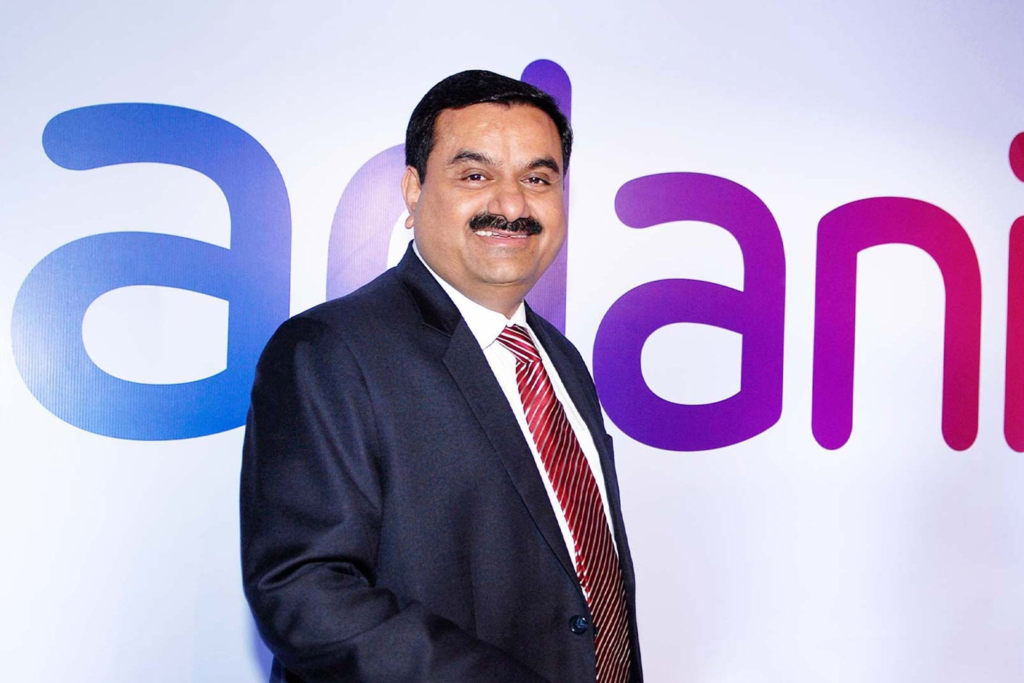
New Delhi , June 24 : Gautam Adani has laid out one of the most ambitious blueprints for India’s future, announcing massive plans across nuclear energy, artificial intelligence, infrastructure, logistics, aviation, and defence. Speaking at the Adani Group’s Annual General Meeting (AGM), the billionaire industrialist made it clear that his conglomerate is preparing for a future where power, technology, and national development will be deeply connected.
Addressing shareholders, Adani described FY26 as a landmark year for the group. Despite facing intense public and market scrutiny in recent years, he said the company has continued to grow aggressively and build during difficult times. According to him, these challenges only strengthened the group’s focus and long-term strategy.
The biggest announcement of the AGM was Adani Group’s official entry into the nuclear power sector.
Through a new entity, Adani Atomic Energy, the group plans to build 10 gigawatts (GW) of nuclear power capacity by 2035. The company has already identified land for these projects, signaling a major strategic shift. Nuclear energy is expected to become one of the most important pillars of India’s clean energy transition, especially as industries and data centres demand uninterrupted electricity.
Adani stressed that India’s future energy needs cannot rely only on solar and wind. While renewable energy remains important, he said nuclear power offers stable, 24×7 clean electricity, making it critical for the country’s industrial and technological growth.
But Adani’s future vision goes far beyond energy.
He repeatedly linked infrastructure development with artificial intelligence, saying that the future of nations will depend not just on physical assets, but on how intelligently those assets are built and used.
“Infrastructure gives a nation muscle. Intelligence gives a nation mastery,” Adani said during his speech, underlining how AI will transform industries and economies.
To support this AI-driven future, the Adani Group is aggressively expanding its digital infrastructure. The company plans to build a 3 GW data centre platform by 2030, making it one of the largest data infrastructure plays in the country.
One of the biggest highlights was Adani’s partnership with Google for a gigawatt-scale data centre project in Visakhapatnam. This partnership reflects the rising demand for data storage, cloud computing, and AI processing as India rapidly digitizes.
Adani said the demand for data centres will rise sharply in the coming years, driven by AI, machine learning, and digital services. To power this digital revolution, strong energy infrastructure will be equally important — another reason behind the group’s nuclear expansion.
To support its broader vision, Adani Group invested more than ₹1.5 lakh crore in infrastructure during FY26. According to Adani, this accounted for over 30% of India’s total private-sector capital expenditure during the year, making the group one of the biggest private investors in the country.
The power business remains central to the company’s expansion strategy.
Adani Power is currently undertaking India’s largest private-sector power expansion programme, with investments exceeding ₹2 lakh crore. The company aims to build 45 GW of power generation capacity over the next five years, significantly increasing its energy footprint.
Alongside nuclear and thermal power, the group is also making progress in hydropower. Adani announced a partnership with Bhutan’s Druk Green Power Corporation to jointly develop 5,000 MW of hydropower projects, strengthening regional energy cooperation.
In logistics, Adani Group continues to dominate.
Adani Ports handled more than 500 million tonnes of cargo in FY26, a record milestone. The company now aims to reach one billion tonnes by 2030. This expansion reflects the group’s growing role in India’s trade and supply chain infrastructure.
The group’s flagship Vizhinjam Port also crossed one million TEUs in its first year itself, making it one of the fastest-growing ports in India.
In aviation, Adani highlighted the launch of Navi Mumbai International Airport and the new integrated terminal at Guwahati Airport. He described Navi Mumbai Airport as a world-record infrastructure achievement, built in just over four years and designed to handle around 90 million passengers annually.
The airport project is expected to ease pressure on Mumbai’s existing airport and strengthen India’s aviation network significantly.
Adani is also deepening its presence in defence and aerospace.
The group has entered partnerships with Leonardo and Embraer to develop domestic manufacturing systems for helicopters and regional aircraft. This aligns with India’s push for self-reliance in defence production under the “Make in India” initiative.
Adani also claimed that the group’s drones, anti-drone systems, missiles, and ammunition supported Indian armed forces during Operation Sindoor, showcasing its growing strategic importance in national defence.
On the financial front, Adani Group reported strong numbers.
The conglomerate posted consolidated revenue of ₹2.92 lakh crore, marking a 7.4% increase compared to the previous year. EBITDA stood at ₹94,834 crore, while net profit rose nearly 14% to ₹46,376 crore.
Adani also used the AGM to address the company’s resilience after a difficult phase of market scrutiny and criticism. Referring to the ₹25,000 crore rights issue completed earlier this year, he called it a “referendum on credibility” and thanked investors for their trust.
Beyond business expansion, Adani spoke about social welfare initiatives. Through the Adani Foundation, the group plans to expand healthcare and education programmes across India. As the foundation enters its 30th year, the company will focus on building Adani Health City campuses in Ahmedabad and Mumbai while continuing skill-development initiatives in rural regions.
For Gautam Adani, this AGM speech was not just about announcing projects — it was a statement of intent. His message was clear: the next phase of India’s growth will be built on energy security, technological leadership, stronger infrastructure, and national self-reliance.
From nuclear power and artificial intelligence to ports, airports, defence, and digital infrastructure, Adani is positioning his empire at the centre of India’s future growth story. Whether these ambitious plans succeed will shape not only the Adani Group’s future but potentially India’s economic journey in the coming decades.
News source: Information for this article was gathered from a variety of reliable news outlets.