Cockroaches, Flies and Fake Compliance Reports: Mumbai FDA Cracks Down on McDonald’s Outlet and Elite Clubs
Mumbai: A surprise food safety inspection across several well-known establishments in Mumbai has uncovered a series of serious hygiene and safety violations, prompting the Maharashtra Food and Drug Administration (FDA) to suspend food licences and registrations at multiple locations.
The action followed inspections at prominent South Mumbai establishments, including the Bombay Presidency Radio Club in Colaba, a McDonald’s outlet in Colaba, Status Restaurant at Nariman Point, and Khar Gymkhana.
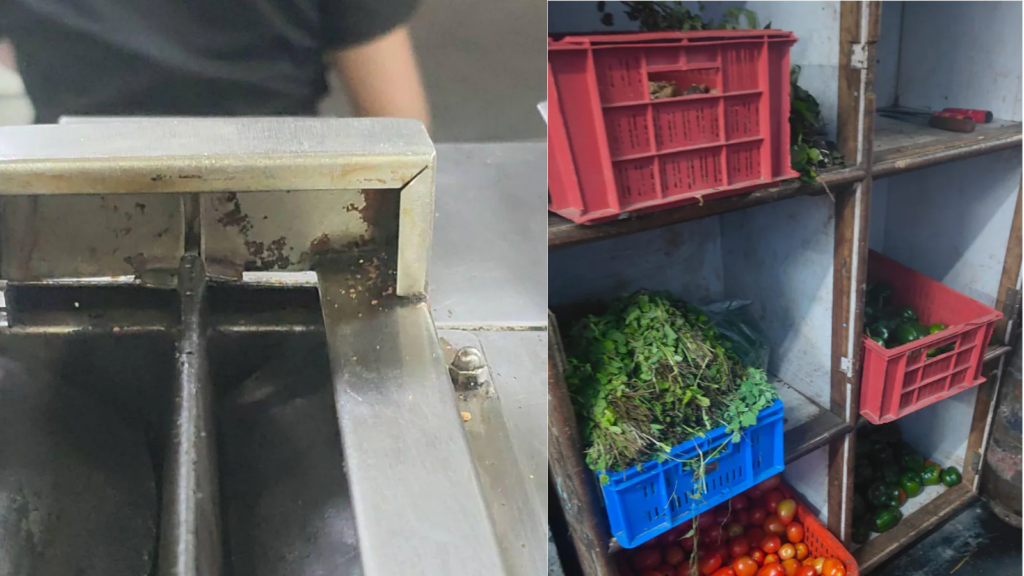
The inspections found conditions that officials said posed serious concerns for food safety and public health. Among the most alarming findings were active fly infestations, a dead cockroach, open cockroach traps, improperly stored food, poor pest control and inadequate hygiene practices.
Cockroaches and Flies Found in Kitchen
At the Bombay Presidency Radio Club, FDA officials reportedly found significant sanitation problems during an inspection of the kitchen.
Officials discovered active flies in several areas where food was being handled. A dead cockroach was also found, while open cockroach traps were reportedly present in the utensil-washing area.
The inspection also revealed damaged and flaking ceiling plaster above food preparation areas. This raised concerns that pieces of plaster could fall into food being prepared below.
Food safety officials also found cleaning powders and other chemicals stored close to food products, creating another potential contamination risk.
Several utensils and food products were reportedly placed directly on the floor instead of being stored in a safe and hygienic manner.
Poor Food Handling and Storage
The inspection reportedly identified several other problems inside the kitchen.
Officials found that some food items were not being thawed correctly, while refrigerators used for storing non-vegetarian products were found to be unhygienic.
Staff members’ helmets and clothing were reportedly kept alongside food items. Waste bins were also found near cooking stoves, while kitchen doors were not properly sealed.
Inspectors additionally noticed signs of spitting on the premises.
The establishment was found to be non-compliant with around 47 per cent of the food safety requirements checked during the inspection.
Food Licence Suspended
Citing concerns over public health and food safety, the Maharashtra FDA suspended the establishment’s food licence under Section 32(3) of the Food Safety and Standards Act, 2006.
The suspension means the establishment has been directed to stop food-related activities during the suspension period.
This includes purchasing, preparing, selling and distributing food until the authorities are satisfied that the required safety standards have been restored.
The FDA also warned that further legal action could follow if the orders are violated.
Basic Hygiene Rules Allegedly Ignored
The inspection highlighted what authorities described as widespread failures to follow basic food safety procedures.
Among the reported violations were staff members handling food without properly washing their hands, refrigeration equipment that had not been properly calibrated and the absence of temperature monitoring records.
Such procedures are important because maintaining the correct temperature is essential for preventing bacterial growth and food contamination.
The findings have raised questions about how establishments serving large numbers of customers were maintaining their kitchens and food-handling systems.
McDonald’s Outlet Faces Action
A McDonald’s kiosk in Colaba was also penalised following the FDA inspection.
According to the authorities, the outlet failed 18 out of 20 food safety parameters that were checked during the inspection.
The FDA also alleged that the outlet submitted a 148-page compliance report containing falsified information.
Another major issue raised by the authorities concerned the use of cheese analogues. Officials alleged that such products were being used without the appropriate declaration on the menu.
The food licence of the outlet was suspended with immediate effect under the Food Safety and Standards Act.
The suspension means the outlet cannot manufacture, sell or distribute food until it meets the required safety standards and receives the necessary clearance.
McDonald’s Responds
McDonald’s said it takes food safety seriously and follows strict hygiene and quality standards across its restaurants.
In its response, the company said it has a zero-tolerance approach to food safety hazards and is reviewing the observations contained in the FDA report.
The company also maintained that it follows regulatory requirements relating to food quality and safety and specifically stated that its products use real cheese and real paneer.
McDonald’s said it was important that its food preparation practices were accurately understood and represented. The company also pointed out that customers are welcome to take kitchen tours to learn more about how food is prepared.
Khar Gymkhana Also Under FDA Scanner
The FDA’s action was not limited to South Mumbai.
The food registration certificate of Khar Gymkhana was also suspended following the discovery of serious hygiene and food safety violations.
Inspectors reportedly found conditions that could increase the risk of cross-contamination.
Raw and cooked foods, as well as vegetarian and non-vegetarian products, were allegedly not adequately segregated during storage and handling.
Officials also found chemicals stored in an unsafe manner and reported an absence of appropriate pest-control measures.
The establishment was subsequently directed to stop food production, storage, purchase, sale and distribution during the suspension period.
Why the Action Matters
The inspections have highlighted the importance of maintaining food safety standards even at well-known restaurants, clubs and food outlets.
Poor hygiene, inadequate pest control, improper food storage and cross-contamination can create serious risks for consumers. The FDA’s action sends a strong message that establishments serving food to the public are expected to comply with prescribed safety standards regardless of their reputation or status.
The authorities are expected to monitor compliance and determine whether the establishments have corrected the violations before allowing food-related operations to resume.
For customers, the episode is also a reminder that the appearance or reputation of a restaurant does not necessarily reflect what happens inside its kitchen. Proper storage, pest control, staff hygiene, temperature monitoring and safe food handling are all essential parts of maintaining food safety.
The FDA’s crackdown has therefore put the spotlight on hygiene practices at some of Mumbai’s better-known food establishments and raised fresh questions about how regularly such kitchens are inspected and monitored.
News source: Information for this article was gathered from a variety of reliable news outlets.