US Revokes Iran Oil Waiver After Tanker Attacks in Strait of Hormuz Escalate Tensions
United States : The United States has revoked a temporary sanctions waiver that allowed Iran to produce and export crude oil, following a series of attacks on oil tankers in the Strait of Hormuz. The move marks a sharp increase in pressure on Tehran as both countries continue negotiations aimed at reducing tensions in the Middle East.
The US Treasury Department announced that it had withdrawn the licence introduced in June, which had permitted Iran to produce, sell, and deliver crude oil and related petroleum products until August 21. According to US officials, the decision was taken in response to what Washington described as Iran’s unacceptable actions in the strategically important waterway.
A US official said the agreement between Washington and Tehran was based entirely on Iran’s conduct and warned that any economic relief would depend on the country’s willingness to uphold its commitments. Despite the latest developments, the official stressed that American negotiators remain committed to reaching a long-term agreement through diplomatic talks.
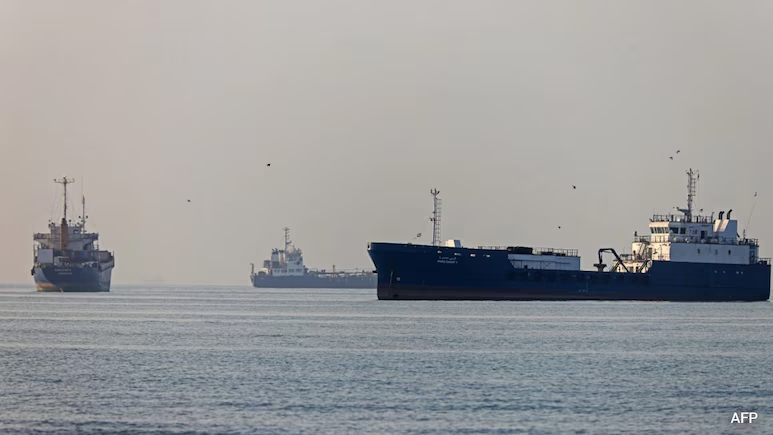
The decision comes after three commercial tankers were struck while passing through the Strait of Hormuz, one of the world’s busiest and most important shipping routes for global oil supplies. Britain’s maritime security agency reported that the first vessel was hit by an unidentified projectile, causing a fire, while two more ships were later attacked, with at least one reportedly targeted by a drone.
One of the affected vessels was identified by Qatar as its liquefied natural gas (LNG) tanker, Al-Rekayyat. The Qatari government directly blamed Iran for the attack, describing it as a serious violation of international maritime security. Doha summoned Iran’s deputy ambassador to demand an explanation and called on Tehran to immediately stop any actions that threaten regional stability.
Iran rejected Qatar’s accusations, calling them unacceptable and expressing disappointment over the allegations. Iranian state media insisted that the claims were unfounded.
The renewed attacks have once again raised concerns over the safety of ships travelling through the Strait of Hormuz, a narrow waterway that carries a significant share of the world’s oil exports. The incidents ended more than a week of relative calm after Iran had previously lifted restrictions following a fragile ceasefire agreement with the United States.
The attacks also pushed global oil prices higher, with markets reacting to fears of possible disruptions in energy supplies. Security experts believe the incidents reflect Iran’s opposition to alternative shipping arrangements proposed by Oman, which would allow vessels to pass through a safer maritime corridor without relying on Iranian oversight.
Analysts say the latest developments have complicated efforts to maintain stability in the Gulf region. While diplomatic negotiations between Washington and Tehran continue, the tanker attacks have highlighted how quickly tensions can escalate and threaten global trade, energy security, and regional peace.
The Strait of Hormuz remains one of the world’s most strategically important waterways, making any disruption there a matter of international concern. As investigations continue, governments across the region are closely monitoring the situation while urging restraint and renewed diplomatic engagement.
News source: Information for this article was gathered from a variety of reliable news outlets.