South Korea’s President Lee Pushes Back Against ‘Fake News’ Over AI Wealth Sharing Debate
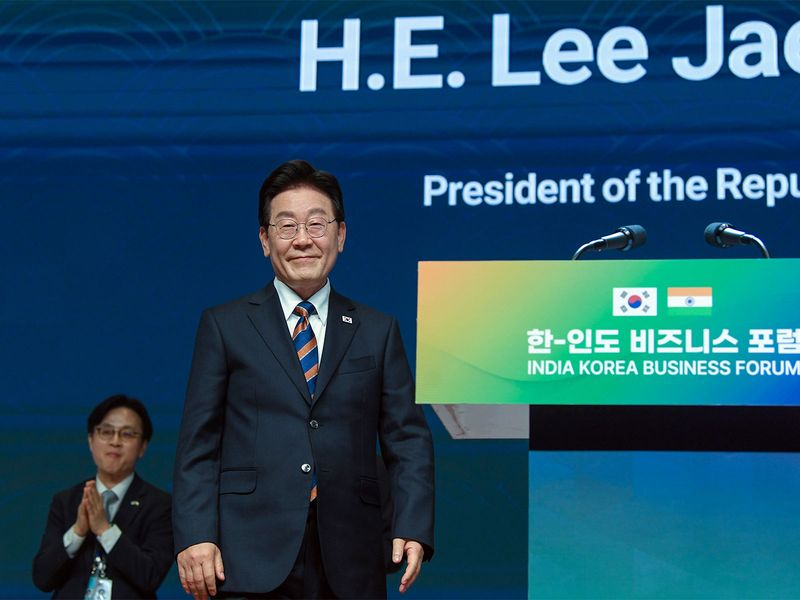
South Korean President Lee Jae Myung has strongly criticised sections of the media for allegedly spreading “fake news” over comments made by one of his top policy aides regarding the possible use of tax revenue generated from the booming artificial intelligence sector.
The controversy began after presidential policy chief Kim Yong-beom suggested the idea of a future “citizens’ dividend” linked to excess tax collections from highly profitable AI companies.
In a Facebook post, Kim argued that the rapid rise of AI technology could increase inequality and economic imbalance, and proposed that surplus tax revenue collected from successful tech firms could eventually be shared with citizens as part of public welfare measures.
His remarks quickly sparked political debate and market uncertainty, with reports claiming the comments contributed to volatility in South Korea’s stock market and triggered selling by foreign investors.
However, President Lee defended his aide and accused some media organisations of distorting the original statement. In a post on X, Lee clarified that Kim never suggested distributing private company profits directly to citizens. Instead, he was referring to the possibility of redistributing excess tax revenue collected by the government from profitable AI businesses.
Lee warned that misinformation surrounding government policies could damage democracy and public trust, adding that fake news linked to state affairs could become a serious legal matter.
Even leaders within the ruling Democratic Party of Korea urged caution over the timing of the proposal. Party chairman Jung Chung-rae described the idea as “premature” and said such discussions should first go through proper academic research and public consultation before becoming part of official policy debate.
The discussion has now triggered a wider national conversation in South Korea about how governments should manage the massive wealth expected from AI-driven industries and whether future technology-related tax gains should benefit the wider public.
News source: Information for this article was gathered from a variety of reliable news outlets.