Savarkar Defamation Case: Congress Had Sought His Release in 1923, Claims Grandnephew in Pune Court
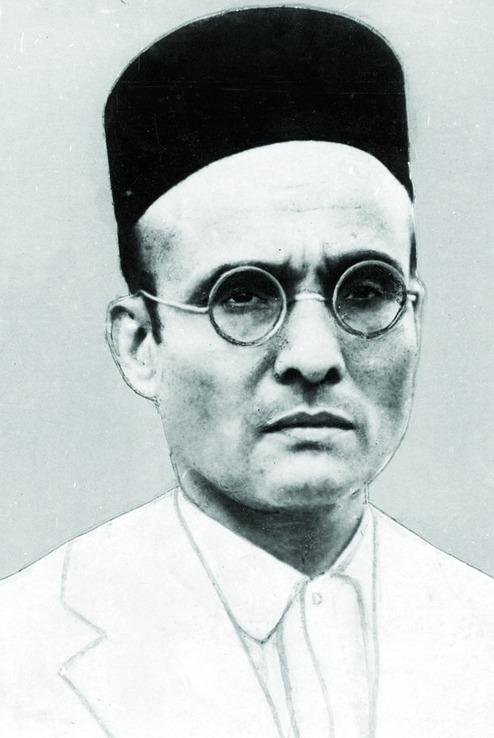
Maharashtra : A key hearing in the ongoing defamation case involving Congress leader Rahul Gandhi saw an important historical claim being made in a Pune court, where the grandnephew of Vinayak Damodar Savarkar argued that the Indian National Congress had once supported his release from prison during British rule.
The case is being heard in a special MP/MLA court in Pune and relates to statements made by Rahul Gandhi during a speech in London in March 2023, which allegedly referred to remarks attributed to freedom fighter Vinayak Damodar Savarkar.
The defamation complaint has been filed by Savarkar’s grandnephew, Satyaki Savarkar, who is contesting Rahul Gandhi’s claims and statements.
Claim about 1923 Congress resolution
During cross-examination before the court, Satyaki Savarkar stated that the Indian National Congress had passed a resolution in 1923 at its Kakinada session, demanding the release of Vinayak Savarkar from prison.
He argued that the resolution reflected growing public support for Savarkar at the time and increasing pressure on British authorities to release him. According to him, Savarkar’s popularity was rising significantly during his imprisonment, which led to political voices—including the Congress—raising demands for his freedom.
Satyaki Savarkar further claimed that if similar political efforts had been made earlier for revolutionaries like Bhagat Singh, Sukhdev, and Rajguru, their execution might have been prevented.
Background of Savarkar’s imprisonment
Vinayak Damodar Savarkar was imprisoned by British authorities and lodged in the Cellular Jail (Kala Pani) in the Andaman and Nicobar Islands between 1911 and 1921. He was later transferred to Ratnagiri jail and released in 1924 under conditional restrictions, which confined him to the Ratnagiri district until 1937.
His time in prison and the petitions submitted during his imprisonment remain a subject of historical and political debate even today.
Dispute over Rahul Gandhi’s remarks
The defamation case stems from a speech delivered by Rahul Gandhi in London, where he allegedly referred to Savarkar’s writings and made claims about an incident involving him and his associates. Satyaki Savarkar has challenged these remarks, arguing that they are historically inaccurate and damaging to Savarkar’s reputation.
He told the court that Savarkar never wrote or described any such incident, as alleged in the speech, and insisted that the claims made were false and defamatory.
Reference to Congress resolution document
Satyaki Savarkar also told the court that he would submit a copy of the alleged 1923 Congress resolution at the next hearing. A document cited from the National Archives was mentioned in court proceedings, reportedly showing that the Congress had expressed concern over Savarkar’s prolonged imprisonment and called for his release.
The resolution allegedly described Savarkar as a prisoner held under harsh conditions and urged the British government to consider his release along with other political prisoners.
Arguments about mercy petitions
The court also heard arguments regarding Savarkar’s mercy petitions submitted during British rule. Satyaki Savarkar rejected the claim that the language used in those petitions reflected unconditional loyalty to the British government, stating that such interpretations were misleading.
He further clarified that his defamation complaint does not concern historical debates over petitions or releases but specifically focuses on the alleged false statements made in Rahul Gandhi’s speech.
Police inquiry and legal proceedings
As part of the case, Pune City Police had conducted an inquiry and submitted a report in 2024 stating that Rahul Gandhi’s remarks were prima facie defamatory. Gandhi has since pleaded not guilty in the case.
The next hearing in the matter is scheduled for July 7.
Larger political and historical debate
The case has once again brought the legacy of Vinayak Damodar Savarkar into political discussion, with differing interpretations of his role in India’s freedom struggle and his relationship with the British colonial administration.
While supporters argue that he was a key revolutionary figure who suffered prolonged imprisonment, critics continue to question aspects of his writings and political ideology.
As the legal proceedings continue, the court is expected to examine historical documents, statements, and interpretations surrounding the contested remarks.
For now, the case remains a mix of legal scrutiny and historical debate, reflecting how India’s freedom struggle continues to influence contemporary political discourse.
News source: Information for this article was gathered from a variety of reliable news outlets.