Rs 22 Lakh And A 40-Year Wait: The Reality Of Getting Into India’s Elite Gymkhana Clubs
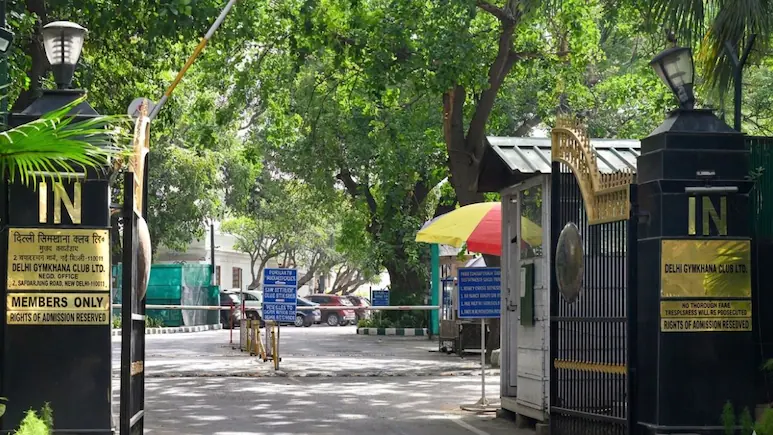
India’s most exclusive gymkhana clubs are no longer just about sports or recreation — they have become symbols of status, legacy, and social prestige. And for many people, getting a membership is not simply about money, but patience that can last decades.
At the centre of the conversation is Delhi Gymkhana Club, where a non-government applicant may reportedly wait anywhere between 35 to 40 years for permanent membership. The cost is equally staggering, with membership fees said to be around Rs 22 lakh. Government-category applicants usually face a shorter waiting period of around 15 to 20 years.
According to club staff, new memberships open only when existing permanent members resign or pass away, which explains the famously long waiting list and limited access.
Rooted in the British colonial era, India’s gymkhana culture has evolved into a world of elite social clubs that combine sports, networking, fine dining, and old-world prestige. These clubs often feature sprawling lawns, tennis courts, swimming pools, bars, libraries, banquet halls, and even guest cottages.
The club’s strict dress code reflects that old-school culture as well. At Delhi Gymkhana, formal attire is expected in many indoor spaces, while items such as shorts, slippers, untucked shirts, and slogan T-shirts are restricted in certain areas.
Other legacy clubs operate in a similar fashion. When approached about membership, The Bombay Gymkhana reportedly responded with a simple statement: “There are no openings right now.”
Meanwhile, newer private clubs are adopting a more modern and accessible model. Stellar Gymkhana, for example, offers structured membership plans with clearly listed pricing and significantly shorter waiting periods.
Yet despite the long queues and high costs, people continue to seek membership in these clubs for one reason — exclusivity. Beyond sports and luxury facilities, legacy gymkhana clubs continue to represent access to a powerful social circle tied to bureaucracy, business families, diplomats, and India’s old establishment culture.
News source: Information for this article was gathered from a variety of reliable news outlets