Pakistan Offers to Take Back Convicted Grooming Gang Leader if UK Considers Extraditing Critics of Army Chief
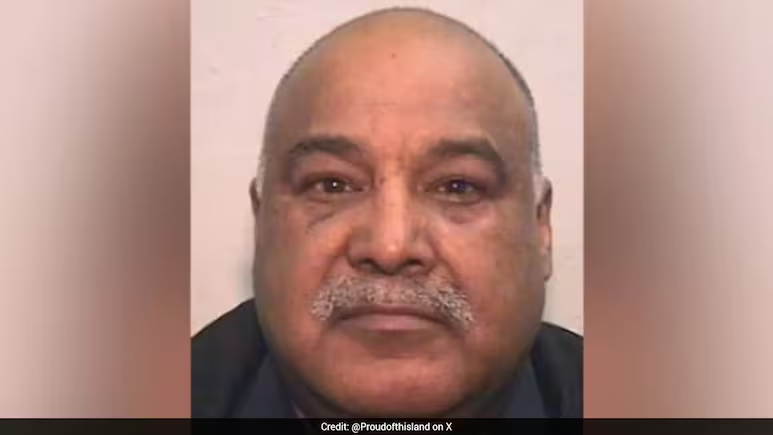
Ahmed was a British-Pakistani dual citizen before receiving his prison sentence.
Islamabad : Pakistan has reportedly linked its willingness to accept the return of a convicted child sex offender from the United Kingdom with a separate demand that Britain deport several Pakistan-based political dissidents and critics of the country’s military leadership.
According to reports by The Telegraph and Drop Site, Islamabad has proposed that if the UK wants Pakistan to take back Shabir Ahmed, a convicted member of the infamous Rochdale grooming gang, Britain should also consider extraditing individuals whom Pakistan accuses of spreading anti-state propaganda and criticising Army Chief General Asim Munir.
Who is Shabir Ahmed?
Shabir Ahmed, now 73, was one of the key figures in the Rochdale grooming gang scandal that shocked the UK. Nicknamed “Daddy” by his victims, Ahmed was convicted in 2012 on multiple charges, including rape and other child sexual offences involving girls as young as 12 years old. He was sentenced to 22 years in prison.
Ahmed originally held both British and Pakistani citizenship. However, after his conviction, British authorities revoked his UK citizenship.
Despite this, Britain has been unable to deport him because of provisions in the Immigration Act 1971, which protect certain Commonwealth citizens who arrived in the UK before 1973 and have lived there for several years.
Pakistan’s Position
Pakistan had previously refused to accept Ahmed’s return, arguing that he was no longer legally a Pakistani citizen after giving up his nationality.
Now, according to senior Pakistani officials quoted in the reports, Islamabad is willing to explore a solution—but only if Britain also addresses Pakistan’s concerns regarding political activists living in the UK.
Officials said Pakistan expects the UK to “respect the issues that matter” to Islamabad instead of putting pressure on the country through diplomatic threats or visa restrictions.
Demand to Deport Political Critics
Among those Pakistan reportedly wants extradited are Shahzad Akbar, a former minister in ex-Prime Minister Imran Khan’s government, and Adil Raja, a former military officer turned journalist.
Islamabad has accused both men of spreading “fake news,” anti-state propaganda, and content aimed at destabilising Pakistan. Formal extradition requests for both individuals were reportedly submitted to the UK last year.
Pakistan has also repeatedly sought the extradition of Altaf Hussain, the London-based founder of the Muttahida Qaumi Movement (MQM), who has lived in exile in Britain for nearly three decades.
Pakistani officials argue that these individuals misuse British soil to spread hatred and incite unrest while benefiting from legal protections related to free speech.
Diplomatic Negotiations Continue
Reports suggest that British and Pakistani officials have been negotiating the possible deportation of Ahmed and other convicted grooming gang members for nearly a year.
Pakistan claims it had earlier agreed to accept some convicted offenders as a goodwill gesture but believes Britain’s demands have since expanded beyond the original understanding.
Officials also alleged that the UK has privately warned Pakistan about possible visa restrictions and reductions in development aid if it refuses to cooperate on Ahmed’s deportation.
Pakistan, however, has rejected what it describes as diplomatic pressure, insisting that any agreement must respect its legal framework and national interests.
UK Exploring Legal Changes
Meanwhile, the British government is examining whether changes to the Immigration Act 1971 could make it easier to deport offenders like Ahmed.
Reports indicate that British Home Secretary Shabana Mahmood is considering all available legal options, including emergency legislation, if necessary.
The UK is also reportedly evaluating visa sanctions against Pakistan as a last-resort measure should negotiations fail.
The discussions highlight the growing diplomatic complexity surrounding immigration, extradition, and political asylum, with both countries attempting to balance legal obligations, public pressure, and broader bilateral relations.
News source: Information for this article was gathered from a variety of reliable news outlets.