ndian Professional in Canada Says One Interview Question Cost Him a Job Offer, Sparks Debate Online
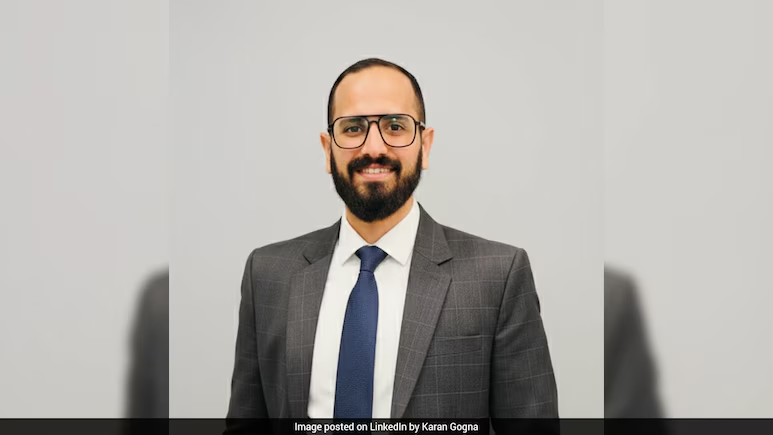
Canada: A LinkedIn post by an Indian product manager based in Canada has gone viral after he shared how he believes a single question during a final-round interview may have cost him a job offer. His experience has triggered a wider conversation on how candidates should approach interviews, especially when interacting with top executives.
The professional, Karan Gogna, who works as a principal product manager in Canada, recently recounted his interview journey for a startup in the used-car sector. According to him, the hiring process had gone smoothly, with multiple rounds already completed successfully. He even claimed that the HR team had asked for his documents, indicating that an offer was likely on the way.
However, just before things were finalised, he was informed that the company’s CEO wanted to have one last conversation with him.
Final interview that changed everything
Gogna said the discussion with the CEO initially went well and he felt confident about his performance. As the interview was coming to an end, the CEO invited him to ask any final questions.
Wanting to sound insightful, Gogna asked: “Are you planning to enter the two-wheeler market?”
Instead of giving a direct answer, the CEO responded with a counter-question: “What do you think? Should we?”
Caught off guard, Gogna admitted that while he had prepared thoroughly for the company’s four-wheeler business, he had not thought deeply about the two-wheeler segment. He struggled to respond with a clear perspective and later described his answer as unfocused and unconvincing.
No offer after the final round
The next day, HR reportedly informed him that the company had decided to move forward with another candidate.
Looking back on the experience, Gogna believes that this final exchange may have played a role in the outcome. He later reflected that candidates often focus heavily on preparing answers for interviews but overlook the importance of preparing meaningful questions.
He wrote that the closing question in an interview can become a key moment for evaluation, as it reflects how a candidate thinks, analyses situations, and handles pressure. According to him, interviewees should be ready not just to ask questions—but also to defend their thinking if the question is turned back on them.
Online debate follows his post
His story quickly gained attention on LinkedIn, where many professionals related to similar experiences in job interviews. Several users agreed with his reflection, saying that asking thoughtful questions is often underestimated during interview preparation.
However, others disagreed that the rejection was solely due to that one question. They argued that senior interviewers often use such moments to test a candidate’s ability to think on their feet, handle ambiguity, and respond under pressure rather than expecting a “correct” answer.
One user shared a similar experience, admitting they once asked a startup founder a tough question about funding stability and later realised it may have come across as insensitive. Another user suggested that the CEO’s response may have been designed to test strategic thinking rather than to trap the candidate.
Bigger lesson from the experience
Despite the mixed reactions, the incident has sparked a broader discussion among job seekers and recruiters about interview dynamics in modern hiring processes. Many now see interviews not just as a Q&A session, but as a deeper evaluation of how candidates think, communicate, and respond in unpredictable situations.
For Gogna, the takeaway is clear: preparation should go beyond rehearsing answers. The questions candidates ask—and how they handle follow-up pressure—can sometimes become just as important as their technical skills.
News source: Information for this article was gathered from a variety of reliable news outlets.