Ebola Crisis Deepens In DR Congo As Death Toll Crosses 130, Global Concern Grows
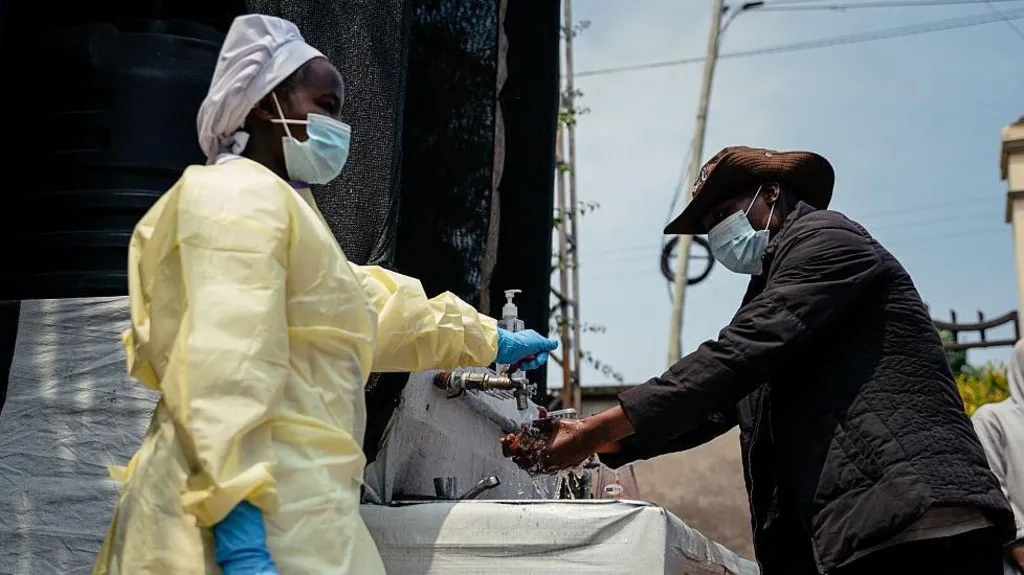
The Ebola outbreak in Democratic Republic of the Congo is becoming increasingly serious, with officials confirming at least 131 deaths and more than 500 suspected infections as health authorities race to contain the virus.
The outbreak, linked to the dangerous Bundibugyo strain of Ebola, has now spread across multiple regions, including Ituri Province, North Kivu and the city of Goma, raising fears of wider transmission across Central Africa. Health officials say the number of cases is continuing to rise, although emergency teams are working aggressively to trace contacts and isolate infections.
The World Health Organization (WHO) has officially declared the outbreak an international public health emergency, warning that the real scale of infections could be far larger than current reported numbers.
Authorities in neighbouring Uganda have also confirmed Ebola cases and at least one death, increasing concerns about cross-border spread. Countries across Africa are now tightening border screenings and preparing hospitals for possible infections.
An American doctor working in Congo has also tested positive for Ebola. The doctor, identified by medical missionary group Serge as Dr Peter Stafford, is expected to be transferred to Germany for treatment. According to reports, several other American aid workers may have been exposed and are currently under quarantine and observation.
The Centers for Disease Control and Prevention (CDC) has described the risk to the United States as relatively low but announced stricter travel measures for people arriving from affected countries. These include enhanced airport monitoring, contact tracing and possible entry restrictions for travellers who recently visited Congo, Uganda or South Sudan.
The outbreak is especially worrying because no approved vaccine currently exists for the Bundibugyo strain. Unlike earlier Ebola outbreaks caused by the Zaire strain — for which vaccines and treatments were developed — doctors now have limited tools beyond isolation, supportive care and public health controls.
Experts say Ebola initially causes symptoms similar to common viral infections, including fever, weakness, headaches and body pain. In severe cases, patients may suffer internal bleeding and organ failure. The virus spreads through direct contact with infected bodily fluids and can move rapidly through communities if precautions are ignored.
Health officials are also warning people against unsafe funeral practices, which played a major role in spreading Ebola during the devastating West African outbreak between 2014 and 2016 that killed over 11,000 people. Traditional burial rituals involving close contact with bodies remain a major risk factor.
Neighbouring countries including Rwanda and Nigeria have already increased surveillance and border health checks as fears grow that the outbreak could expand further if not controlled quickly.
News source: Information for this article was gathered from a variety of reliable news outlets.