As Anant Ambani Takes Bigger Role, Vantara Changes Course On Wildlife
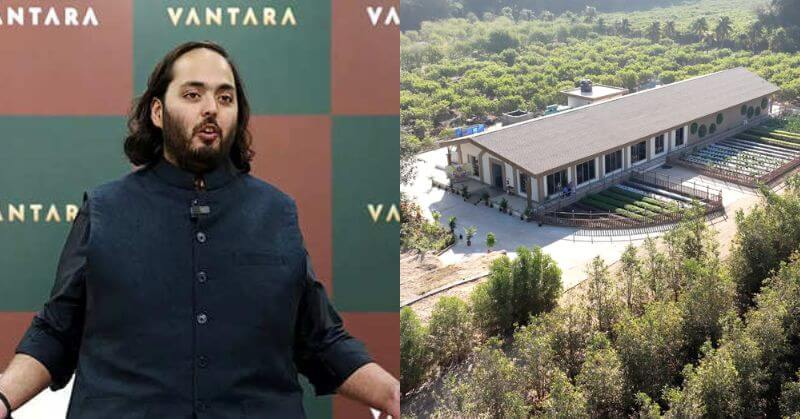
Mumbai: Reliance Industries chairman Mukesh Ambani’s succession plans are facing a new reputational challenge linked to Vantara, the ambitious wildlife rescue and rehabilitation centre founded by his youngest son, Anant Ambani.
What was once presented as a symbol of Anant’s passion for animal welfare has increasingly attracted scrutiny over how some animals reached the facility in Jamnagar. Now, Vantara has announced significant changes to the way it acquires animals, signalling a more cautious approach as questions surrounding the sanctuary continue to draw attention.
The facility, spread across thousands of acres in Gujarat, has become one of the most high-profile private wildlife projects in India. It has housed a vast collection of animals, including endangered and exotic species, and has received attention from prominent global personalities and political leaders.
However, the spotlight has not always been positive.
Reports have alleged that some animals described as rescues may have been sourced from the wild and transported to Jamnagar. Vantara’s management has rejected such allegations as baseless. The facility has also faced scrutiny from conservationists and legal challenges concerning the import of exotic species.
In 2025, the Supreme Court upheld findings that Vantara had complied with relevant wildlife, customs and money-laundering laws in relation to its animal acquisitions. However, the broader debate over whether moving wild animals from their natural habitats is appropriate has continued.
A more recent legal challenge focused on the import of species considered at risk of extinction under CITES, the international framework governing trade in endangered wildlife. While the Supreme Court declined to entertain the petition, it raised concerns about the possibility of cruelty even when animals are imported legally.
That appears to have prompted Vantara to rethink its approach.
Vantara Announces New Rules
In a detailed letter to India’s CITES management authority, Vantara said it did not want to become, even unintentionally, a driver of illegal wildlife trade.
The organisation has now committed to a three-stage screening process for all future animal acquisitions. It has also said that it will not import great apes, big cats or species facing extinction directly from their natural habitats.
Instead, Vantara says its future focus will increasingly be on protecting animals where they naturally live, rather than bringing them to India.
One example is the controversial population of feral hippopotamuses in Colombia, descended from animals once owned by drug lord Pablo Escobar. Rather than seeking to bring the hippos to India, Anant Ambani’s proposed approach is to establish a sanctuary in Colombia and protect them there.
For conservationists, the shift could represent a significant change in philosophy.
Why It Matters To Reliance
Although Vantara operates separately from Reliance’s core businesses, Anant Ambani’s growing role within the family conglomerate means his public image is increasingly connected to the group’s future leadership.
Anant was appointed an executive director of Reliance Industries in 2025 and is expected to play an important role in the company’s energy and petrochemicals businesses.
His siblings, Akash and Isha Ambani, are also taking on major responsibilities across Reliance’s telecom and retail operations. As Mukesh Ambani prepares the next generation to take greater control of the empire, maintaining the family’s reputation has become increasingly important.
The stakes extend beyond the family itself. Global investors and major corporate partners have significant interests in Reliance’s various businesses, including Jio, retail, energy and oil and gas.
For these investors, the key question is not simply who will inherit the business, but whether the next generation can maintain the group’s credibility and continue attracting global capital.
A Bigger Test For The Next Generation
Mukesh Ambani has repeatedly emphasised that Reliance should remain united after his succession, particularly after the bitter split he experienced with his younger brother in the previous generation.
That unity, however, may not be enough on its own.
Investors are likely to want the next generation to demonstrate that Reliance can be managed with the same professionalism and global standards expected of one of India’s largest corporate groups.
The decision by Vantara to tighten its animal-acquisition policy may therefore be more than a change in conservation strategy. It also shows how the family’s personal interests can intersect with the broader reputation and succession story of one of India’s most powerful business empires.
For Anant Ambani, the challenge now is to show that his passion for wildlife can coexist with a responsible conservation model — while ensuring that Vantara does not become a distraction from the much larger responsibilities that await him within Reliance.
News Source : Information for this article was gathered from a variety of reliable news outlets.