A Viral App, Stalled E-Rickshaws And Rising Fear: Delhi Faces New EV Security Scare
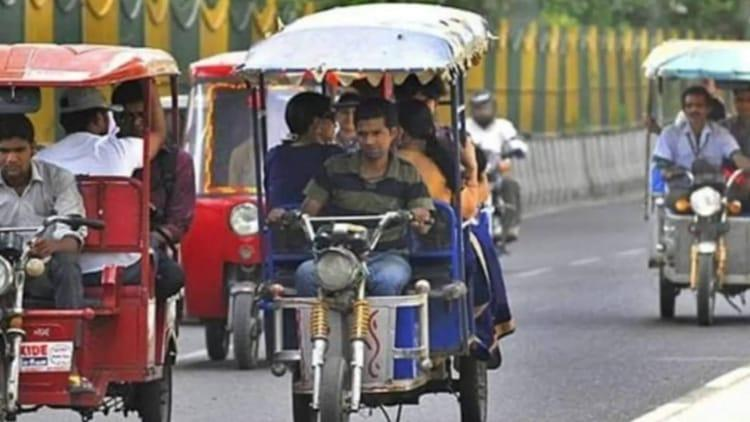
New Delhi: A bizarre trend involving e-rickshaws in New Delhi has triggered concern among drivers, dealers and government officials after videos surfaced online showing people remotely shutting down vehicles using smartphone apps.
The controversy revolves around a Chinese battery management app called BAT-BMS, which users have allegedly been using to connect to Bluetooth-enabled e-rickshaw batteries and switch off their power remotely — often as a prank.
Videos shared across social media platforms show influencers and content creators approaching parked or moving e-rickshaws, connecting to the battery system through Bluetooth, and disabling the discharge function, causing the vehicle to stop working instantly.
What may seem like online entertainment has quickly become a serious concern for thousands of e-rickshaw drivers who depend on these vehicles for their daily livelihood.
A reality check conducted by NDTV revealed that the problem may be larger than just one application.
During testing, the BAT-BMS app connected successfully to a compatible battery but now reportedly asks for a password before allowing the vehicle to be shut down — suggesting that additional security may have been introduced after the issue went viral.
However, another app, Epoch Li-ion, was also tested and reportedly managed to shut down the same compatible e-rickshaw battery with a single tap, without any extra security layer.
The vehicle’s display immediately went blank and could not be restarted until it was turned back on through the app.
This has raised serious concerns about how vulnerable Bluetooth-enabled battery systems are, especially in public spaces.
The issue has now reached the Delhi government.
Delhi Transport Minister Pankaj Singh said that while no official written complaint has been filed yet, multiple people have raised the matter with him. He confirmed that the Transport Department has been asked to investigate the claims and verify how the app is functioning.
According to government officials, these battery management apps are originally designed to help users monitor battery health, charging levels, voltage and temperature. But without proper authentication, their control features can become easy targets for misuse.
E-rickshaw dealers say complaints have increased sharply over the past few days.
One dealer claimed that dozens of vehicles had already come to his workshop after being shut down unexpectedly. He said that even after one app becomes secure, another app appears, making the issue harder to control.
For drivers, the consequences are more than technical.
Many say their e-rickshaws are their only source of income, and sudden shutdowns can cost them an entire day’s earnings.
One driver said he had to physically push his e-rickshaw to the workshop after it stopped working unexpectedly. He added that if passengers had been on board at the time, it could have caused arguments over fare payments or even safety risks.
Cybersecurity experts are now calling for stronger regulations and safety standards in India’s growing electric vehicle sector.
Experts believe manufacturers must introduce stronger password protections, secure pairing systems, and better access control to prevent misuse.
The incident has also sparked a wider debate about India’s fast-growing EV ecosystem, where convenience and smart technology are increasing — but so are new digital vulnerabilities.
As India pushes toward electric mobility, this unusual case has become a reminder that innovation must be matched with security.
News source: Information for this article was gathered from a variety of reliable news outlets.