Small Retailers Raise Concern Over Proposed UPI Fee, Warn Cash Payments Could Make a Comeback
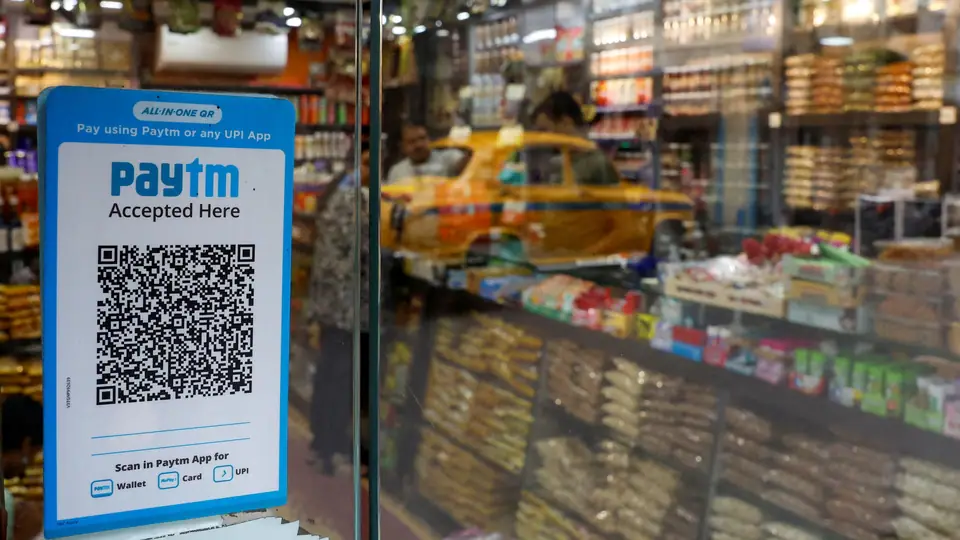
New Delhi: India’s digital payment ecosystem could face a fresh debate over costs as the proposed introduction of a 0.4% Merchant Discount Rate (MDR) on certain UPI transactions raises concerns among small retailers and businesses ahead of the festive shopping season.
The Retailers Association of India (RAI) has warned that adding a cost to UPI payments could encourage some small merchants to reconsider accepting digital payments and may push a section of retailers towards cash transactions.
Under the new framework described in the report, merchants accepting UPI payments of more than ₹2,000 would be subject to a 0.4% fee from October 15. The charge would apply to merchants rather than customers, while person-to-person payments and smaller merchant payments would remain outside the fee.
Retailers Worried About Impact on Small Businesses
RAI said small and medium-sized retailers often operate with limited profit margins, meaning even a relatively small additional transaction cost can influence how they handle payments.
Kumar Rajagopalan, CEO of RAI, said small merchants could now think more carefully about whether to accept UPI or encourage customers to pay in cash.
The retailers’ body has argued that the proposed fee could affect the progress made in digital payment adoption, particularly among India’s smallest businesses. UPI has become an important payment option for shops and customers because it allows transactions to be completed quickly without requiring cash.
RAI has therefore raised concerns that introducing a merchant fee at this stage could change the behaviour of some retailers.
What Is the New UPI Charge?
According to the details in the report, the proposed 0.4% MDR would apply to merchant UPI transactions above ₹2,000 from October 15.
The fee would be calculated on the transaction amount and would be paid by the merchant. Customers would not be directly charged the MDR.
For example, if a customer makes a ₹1,000 UPI payment at a shop, the payment would continue to remain free under the reported framework. Similarly, a ₹2,000 merchant payment would remain outside the proposed charge.
The reported change concerns payments above ₹2,000, while person-to-person UPI transfers would also continue without the merchant fee.
The MDR would reportedly be capped at ₹300 for transactions of ₹75,000 and above.
RAI Says Cash Could Become More Attractive
The central concern raised by the retail industry is that merchants working with narrow margins may prefer cash if digital payments begin carrying an additional cost.
RAI has argued that this could have consequences beyond the payment system itself. The association said transactions that move from digital platforms to cash could reduce the amount of transaction activity captured through formal digital records.
The organisation has linked this issue to India’s wider push towards formalisation and greater use of digital payments.
Rajagopalan said the industry believes UPI acceptance should continue to be encouraged rather than becoming an additional expense for smaller retailers.
Retailers Question Why Bank-to-Bank UPI Payments Should Carry a Fee
RAI has also questioned whether all UPI transactions should be treated in the same way.
The association pointed out that many UPI payments are made directly from a customer’s savings or current bank account to a merchant. According to RAI, such transactions are different from credit-card payments, where interchange costs and credit-related expenses form part of the payment structure.
The retailers’ body has argued that a bank-to-bank UPI transaction does not necessarily involve the same costs or risks associated with credit-based payments.
It said that charges could be easier to understand when UPI is connected to a credit facility, but questioned the rationale for applying a similar cost to ordinary account-to-account transactions.
Who Should Bear the Cost of Running UPI?
Another issue raised by RAI concerns the cost of maintaining the country’s digital payment infrastructure.
The association has argued that merchants should not be responsible for carrying the entire cost of operating the UPI network.
According to RAI, the government and relevant institutions benefit from the formal and traceable nature of digital transactions. The organisation therefore believes public funding or institutional support should play a greater role in covering the cost of maintaining the payment system.
The association’s argument is that smaller retailers, particularly those already working with limited margins, should not be placed under additional financial pressure simply for accepting digital payments.
Clothing Industry Also Raises Concerns
The Clothing Manufacturers Association of India (CMAI) has also expressed concerns about introducing the MDR at the beginning of the festive shopping season.
CMAI President Santosh Katariya said the timing could create additional pressure for merchants, retailers and consumer-facing businesses that are already focused on improving sales and margins.
The festive period is particularly important for the retail and clothing sectors because consumer spending generally increases during major festivals and shopping events.
CMAI has therefore called for careful consideration of any measure that increases the cost of accepting digital payments during this crucial period.
The association also highlighted the role UPI has played in supporting consumption and formalisation and said changes to the cost of accepting such payments could have wider consequences for businesses.
Customers Will Not Pay the New MDR
One important aspect of the proposed framework is that the merchant, rather than the customer, would bear the MDR.
This means consumers would not be expected to pay an additional UPI charge at checkout simply because their merchant transaction exceeds ₹2,000, based on the reported rules.
Small UPI payments would also remain free. A customer paying ₹500, ₹1,000 or ₹2,000 through a shop’s QR code would not face the proposed merchant fee.
Similarly, ordinary person-to-person transfers would remain free.
The impact of the measure would therefore be concentrated on merchants accepting qualifying higher-value UPI payments.
Why the Issue Matters Ahead of the Festive Season
The timing of the proposed change has become an important part of the industry’s concerns.
With the festive season approaching, retailers are preparing for increased customer traffic and higher transaction volumes. Businesses in sectors such as clothing, consumer goods and other retail categories depend heavily on this period to generate sales.
Industry bodies fear that even a small transaction cost could become significant when multiplied across thousands of payments.
At the same time, the proposed MDR could also become part of a larger discussion about how India’s rapidly expanding digital payment infrastructure should be funded.
A New Debate Over India’s Digital Payment Model
UPI has become deeply integrated into everyday commerce, from small neighbourhood shops to large retail businesses. The proposed merchant fee could therefore have implications beyond individual transactions.
Retail industry groups are now questioning how the cost of maintaining the country’s digital payment infrastructure should be distributed between merchants, financial institutions and the government.
The debate is essentially about balancing two objectives: maintaining a sustainable payment ecosystem while ensuring that smaller businesses are not discouraged from accepting digital payments.
For consumers, UPI payments are expected to remain free under the reported framework. For merchants, however, the proposed fee on higher-value transactions has triggered concerns about margins, cash payments and the future pace of digital adoption.
As the October 15 implementation date approaches, retailers and industry bodies are expected to continue engaging with policymakers over how the proposed MDR should operate and what impact it could have on India’s small-business community.
News source: Information for this article was gathered from a variety of reliable news outlets.