Mecca Placed Under Air-Raid Alert for First Time as Saudi Arabia Warns Houthis of ‘Red Line’
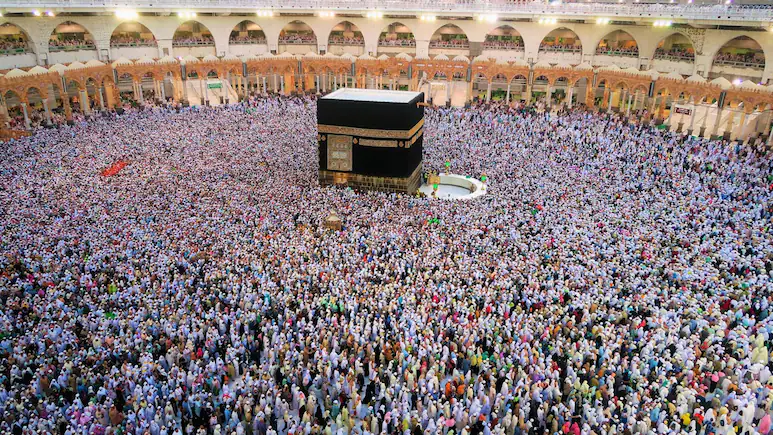
MECCA, September 16, 2026: Saudi Arabia briefly placed several areas along its western coast, including the holy city of Mecca, Jeddah and Taif, under air-raid alert after an alleged Houthi drone attack heightened tensions across the region. The alert in Mecca marked an unprecedented moment, as the holy city was placed under an aerial threat warning for the first time.
According to Saudi authorities, the alert was triggered after the kingdom’s air defence systems detected and intercepted a Houthi drone south of Mecca. Officials said the drone was destroyed before it could enter the prohibited airspace around the holy city.
The incident has added another serious dimension to the rapidly escalating confrontation between Saudi Arabia and Yemen’s Iran-backed Houthi movement. Fighting between the Houthis and Saudi-backed Yemeni government forces has intensified in recent weeks, with attacks extending beyond the battlefield and into the Red Sea.
Saudi authorities have described the security of Mecca, Medina and the millions of pilgrims who visit the holy sites as a matter of the highest importance. The latest incident has therefore raised concerns in the kingdom, particularly as Houthi attacks have reportedly increased in frequency.
The Saudi-led coalition condemned what it described as a “heinous” attack. Organisation of Islamic Cooperation spokesman Turki Al Maliki said that the security of the Two Holy Mosques and the safety of pilgrims represented a “red line.” He added that the coalition would take necessary measures to deter further attacks.
The air-raid warnings reportedly remained in place only briefly, but the development caused significant concern because of the location involved. A report by Israeli newspaper Hayom also said that air traffic bound for Prince Mohammad bin Abdulaziz International Airport in Medina was temporarily halted.
Houthis Deny Targeting Mecca
The Houthi movement has rejected Saudi Arabia’s account that the intercepted drone was heading towards Mecca.
Hazem al-Assad, a member of the Houthi politburo, dismissed Riyadh’s claim in a post on X, describing allegations that the group had targeted Mecca as false. He argued that similar accusations had been made previously.
The denial has added to the uncertainty surrounding the exact intended target of the drone. Saudi officials, however, maintain that their air defences intercepted the threat before it could enter the restricted airspace around Mecca.
Saudi Arabia Faces Growing Security Pressure
The latest alert came just one day after a major Houthi assault reportedly wounded 13 people in Saudi Arabia. The attack involved ballistic missiles and drones launched from Yemen, according to reports.
The Houthis have also claimed responsibility for large-scale attacks against Saudi military targets. The group said it had launched dozens of ballistic missiles and drones towards King Khalid Air Base in Khamis Mushait, in southern Saudi Arabia.
The recent escalation represents a significant deterioration in relations between Riyadh and the Houthis. The conflict had already been complicated by the Houthis’ declaration of a maritime blockade against Saudi Arabia and attacks on shipping in the Red Sea.
The group has increasingly focused on the strategically important waterway, raising concerns about the safety of international shipping and the wider impact of the conflict on global trade.
Red Sea Tensions Add to Regional Concerns
The renewed fighting has also drawn warnings from other countries in the region. Qatar has cautioned against any attempt to close the Bab al-Mandab Strait, one of the world’s key maritime passages connecting the Red Sea with the Gulf of Aden.
Qatari Foreign Ministry official Ibrahim Al Hashmi warned that closing the strategic waterway could have serious consequences for international trade and described such a development as potentially “catastrophic for the entire world.”
The growing tensions around the Red Sea have also placed additional pressure on Saudi Arabia as it considers how to respond to the latest Houthi attacks.
Trump Rejects Saudi Request for Intervention
The situation has also involved the United States. US President Donald Trump has reportedly rejected a request from Saudi Crown Prince Mohammed bin Salman for American intervention in the conflict.
Trump also claimed that the Houthis had contacted Washington and asked the United States not to become directly involved in the fighting.
With the conflict escalating and the Red Sea facing renewed security threats, Saudi Arabia is now confronting difficult choices over how to protect its territory, critical infrastructure and maritime interests.
For Saudi Arabia, however, the reported drone incident near Mecca carries an additional significance. The holy city draws millions of Muslims from around the world, particularly during the annual Hajj and throughout the year for Umrah. Any reported threat near the city is therefore likely to receive heightened attention both inside the kingdom and across the wider Muslim world.
As Saudi air defences remain on alert and fighting between Houthi forces and Saudi-backed Yemeni forces continues, the latest developments underline how quickly the conflict is expanding beyond Yemen’s borders and affecting regional security, international shipping and some of the region’s most sensitive locations.
News source: Information for this article was gathered from a variety of reliable news outlets.