U.S.-Iran Peace Talks Advance as Doha Meetings Set Stage for Formal Deal Amid Israel’s Lebanon Standoff
June 15:
A major diplomatic breakthrough may be taking shape in West Asia as the United States and Iran prepare for crucial preparatory talks in Doha ahead of the formal signing of a peace agreement aimed at ending months of conflict across the region.
According to diplomatic sources, indirect discussions between the two sides are expected this week in Doha, following nearly 17 hours of intense negotiations led by Qatari mediators in Tehran. The talks are seen as a significant step toward finalizing an agreement that could bring an “immediate and permanent” halt to military operations, including those affecting Lebanon.
The proposed deal, expected to be formally signed in Geneva later this week, has sparked cautious optimism across the international community. Leaders from multiple nations have described it as a potential turning point that could reduce tensions and restore stability in a region deeply affected by war over the past three months.
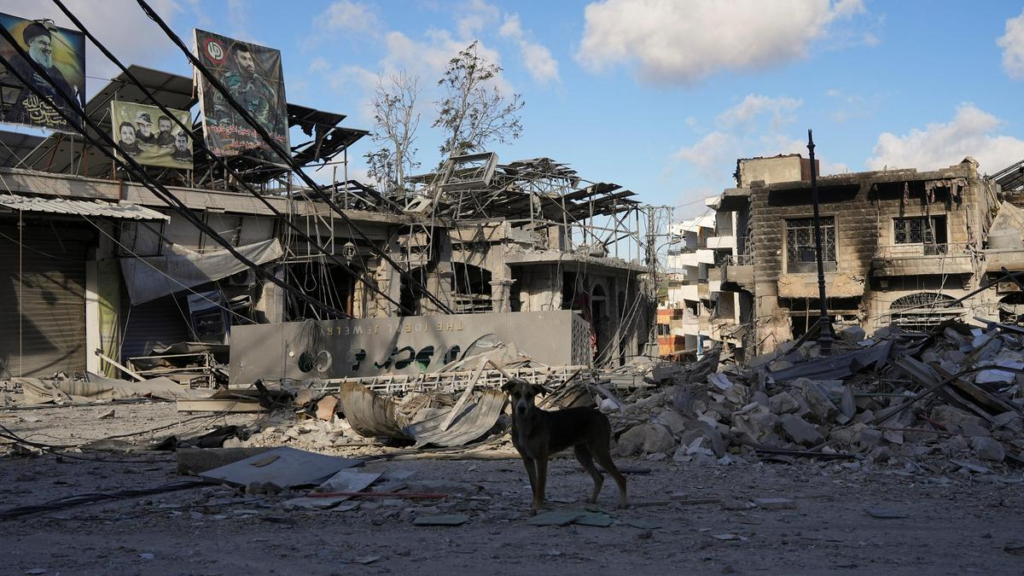
However, the path to peace remains uncertain. In a strong statement, Israeli Defence Minister Israel Katz made it clear that Israel would not withdraw from territories it has seized in Lebanon. He also warned that if Iran were to launch any attack connected to developments in Lebanon, Israel would respond with force.
The statement highlights growing divisions over the peace process, especially within Israel itself. Far-right National Security Minister Itamar Ben-Gvir openly criticized the U.S.-Iran deal, saying it does not bind Israel and does not guarantee the country’s security. He insisted that military operations against Hezbollah should continue until its full dismantling.
Meanwhile, global powers have reacted positively to the diplomatic progress. Egypt welcomed the deal, calling it a possible “turning point” for regional peace and a chance to rebuild trust. China also praised the agreement and acknowledged Pakistan for its reported mediation efforts.
In India, Prime Minister Narendra Modi welcomed the development, expressing hope that the agreement would help restore economic stability and ensure freedom of navigation and trade, especially through the critical Strait of Hormuz — a route vital for global oil shipments.
The reopening of the Strait is seen as one of the biggest potential benefits of the peace deal. For countries like India, which rely heavily on West Asian energy imports, reduced tensions could help ease oil prices, stabilize supply chains, and reduce inflationary pressures.
At the same time, analysts warn that while the deal may pause direct hostilities, deeper issues such as Iran’s nuclear ambitions, Israel’s military posture in Lebanon, and the future of regional armed groups remain unresolved.
As the world watches the Doha talks closely, hopes are rising that this agreement could mark the beginning of a broader peace process in West Asia. But with key players still divided and military positions unchanged on the ground, the coming days will be critical in determining whether this diplomatic effort leads to lasting peace or only a temporary pause in conflict.
News source: Information for this article was gathered from a variety of reliable news outlets.