India’s Wholesale Inflation Jumps to 9.68% in May as Fuel, Food and Factory Costs Surge
New Delhi, June 15:
India’s wholesale inflation rose sharply to 9.68% in May, marking a significant increase from 8.26% recorded in April, as prices of fuel, power, food items, and manufactured goods continued to climb. The latest figures highlight growing pressure on businesses and consumers amid rising production and supply costs.
The data, released by the Ministry of Commerce and Industry on Monday, showed that the rise in the Wholesale Price Index (WPI) was mainly driven by a sharp jump in essential commodities and industrial products. Alongside the inflation numbers, the government also announced a revision in the WPI base year, updating it from 2011-12 to 2022-23 to better reflect current market trends and economic conditions.
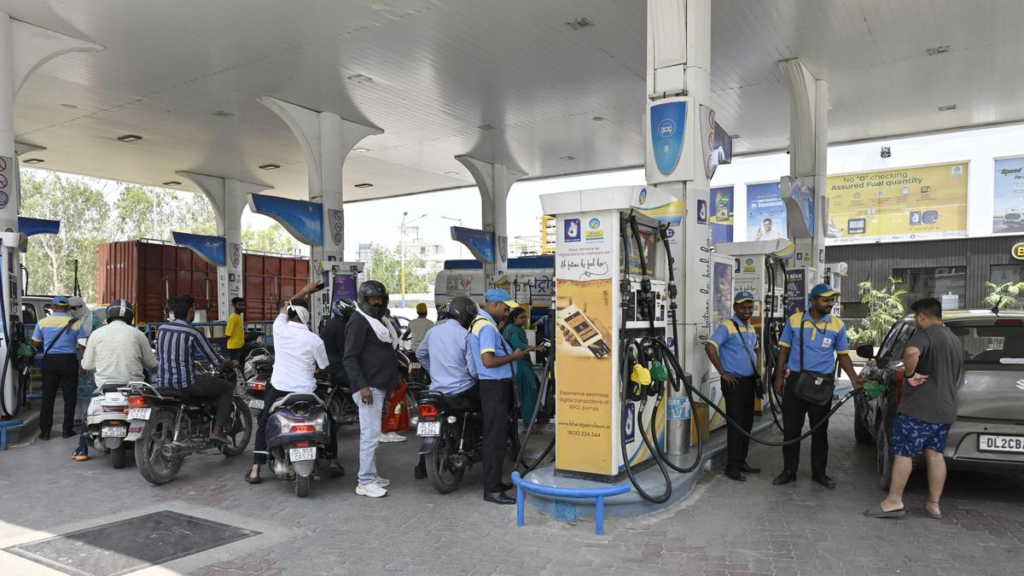
According to officials, the spike in wholesale inflation was largely influenced by higher fuel and power costs, which saw a substantial rise due to global crude oil volatility and increased domestic energy demand. Fuel prices remain one of the biggest contributors to inflation as they directly impact transportation, logistics, and manufacturing expenses across multiple sectors.
Food prices also witnessed an upward trend, with vegetables, pulses, edible oils, and grains becoming more expensive in wholesale markets. Experts believe seasonal factors, supply chain disruptions, and weather-related challenges have played a key role in pushing food prices higher.
Manufactured products, which form a major part of the WPI basket, also recorded increased prices. This suggests that industries are facing higher input costs, including raw materials, electricity, and transportation, which may eventually be passed on to consumers.
Economists say the jump in WPI inflation is a worrying signal because it reflects rising costs at the production level. If the trend continues, it could lead to higher retail inflation in the coming months, affecting household budgets and consumer spending.
The revision of the base year to 2022-23 is being seen as an important technical change aimed at making inflation calculations more relevant to the present economic structure. Officials say the new base year will provide a more accurate picture of price movements by considering recent production patterns and consumption trends.
The latest inflation data comes at a time when policymakers and the Reserve Bank of India are closely monitoring price stability and economic growth. Persistent inflation could influence future monetary policy decisions, including interest rates.
For businesses, especially in sectors like manufacturing, transport, and retail, the increase in wholesale prices could squeeze profit margins unless costs are adjusted. For consumers, the ripple effect may soon be visible in everyday goods and services if producers pass on the burden.
The rise in wholesale inflation underscores the broader economic challenge of balancing growth while managing price pressures. With global uncertainties and domestic demand remaining strong, inflation is likely to remain a key focus for both the government and financial markets in the months ahead.
News source: Information for this article was gathered from a variety of reliable news outlets.