They Wanted A Life Of Luxury. Instead, They Found Themselves Linked To A Pakistani Terror Network
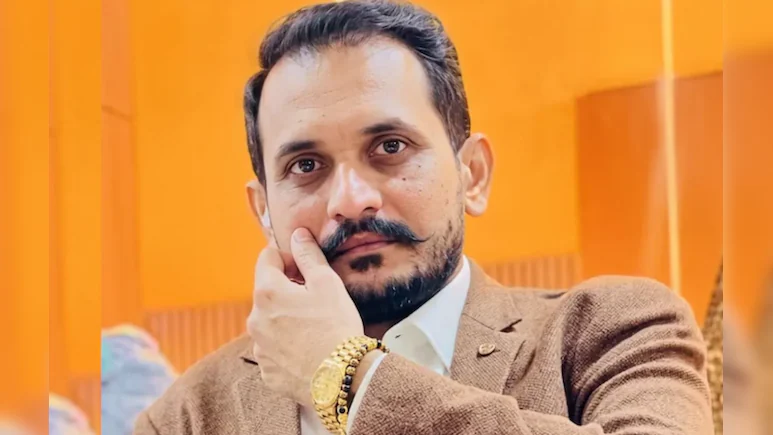
New Delhi: What began as ordinary Instagram scrolling turned into a frightening experience for two young men in Gujarat, who say they were unknowingly drawn towards a network that Indian investigators have linked to Pakistani terrorist Shahzad Bhatti.
One of the men, a 29-year-old gym trainer, had followed Bhatti on Instagram for nearly two years. He believed Bhatti was a social media influencer and was drawn to the image he projected online.
The second, a 19-year-old clothing-store worker, came across reels showcasing expensive cars, large homes and a lavish lifestyle. The posts suggested that people could make money by getting in touch.
Both men say they did not initially know who they were communicating with. Before either could allegedly be assigned a task, the Gujarat Anti-Terrorism Squad (ATS) intervened.
Investigators say Bhatti, a Pakistani national from Punjab province, is around 45 years old and has a criminal record in Pakistan. Agencies have said cases involving theft and robbery were registered against him around 2013, followed by allegations in more serious cases.
According to Indian agencies, Bhatti moved to Dubai around 2015, where he became involved in the scrap and dairy businesses and allegedly came into contact with the Farooq Khokar gang. Investigators say he later began making social media videos under the alias “333”.
Indian agencies have told NDTV that Bhatti’s network allegedly uses social media to identify potential recruits. The process can begin with an Instagram reel or private message, followed by conversations about money, a better lifestyle or opportunities to travel abroad. The two Gujarat men say they did not realise where those conversations could lead.
From Instagram Reels To A Terror Network
Home Minister Amit Shah said on Monday that improved coordination between security agencies had helped dismantle more than 40 modules allegedly linked to the Shahzad Bhatti network and involved in the cross-border movement of weapons, explosives and narcotics.
According to his statement, more than 100 FIRs have been registered and around 350 people arrested across 15 states.
The Centre has also declared the Shahzad Bhatti network a terrorist organisation under the Unlawful Activities (Prevention) Act, or UAPA.
Investigators say social media plays an important role in the alleged recruitment process. Young people are approached through online content and private messages and may then be offered money, a luxurious lifestyle or the possibility of travelling abroad.
For the two men from Gujarat, however, what looked like an opportunity on Instagram quickly became something very different.
Recruit No. 1: “I Thought He Was An Influencer”
The first man, a 29-year-old from Bargaon, Gujarat, studied until Class 12 and lives with his parents and brother. His father works in real estate, while he had spent around five years working as a gym trainer.
He was also active on social media.
Around one-and-a-half to two years ago, he began seeing Bhatti’s Instagram reels. At the time, he said, he had no idea that Bhatti was being accused by Indian agencies of running a terror network.
He followed Bhatti, liked his posts and commented on them. After around a year and a half, Bhatti allegedly contacted him directly.
“I thought he might be a social media influencer. He looked like a celebrity,” the man told NDTV, describing how their brief interaction began.
He said he received a “Salaam” from the account after sending a message. He replied and asked where the man was from. That, according to him, was essentially the extent of their conversation.
The following day, the Gujarat ATS arrested him and questioned him throughout the day.
He said officers told him he had not been given any task but advised him to immediately report any future messages or calls from Bhatti.
The experience changed the way he used social media.
“I used to be active on Instagram, but now I have stopped using it,” he said.
He said he only heard Bhatti’s voice in an audio message and believed it sounded similar to the voice of the man identified as Bhatti.
Looking back, he said Bhatti’s appearance and online content had contributed to his mistaken impression.
“I thought he was a social media influencer. He looked like a hero,” he said, adding that Bhatti also posted religious content and appeared to him like a religious figure.
The man said Bhatti did not contact him again after the ATS intervention.
He also had a message for other young people who might encounter similar accounts online: be cautious about unsolicited offers and inform the police if something appears suspicious.
“I want to tell all young people that if they receive such messages, do not listen to them and inform the nearest police station,” he said.
He also urged young people to think about how their actions could affect their families.
Recruit No. 2: “I Joined Out Of Greed”
The second case involved a 19-year-old from Valsad, Gujarat. He studied until Class 8 and has worked at a clothing store for about three years. He lives with his parents and sister.
His contact with the network began in April while he was scrolling through Instagram reels.
Unlike the first man, he did not initially follow Bhatti. Instead, he came across videos portraying an extravagant lifestyle, complete with luxury cars, large houses and swimming pools.
The message was simple: get in touch if you wanted to make money.
The teenager said the lifestyle shown in the videos caught his attention.
“They were showing stylish people, expensive cars and expensive houses,” he told NDTV.
He eventually contacted the people behind the posts.
After exchanging messages, they asked where he lived and collected his identification details. Within two or three days, he received a call telling him that he would be given “some work”.
He said there were three conversations in total.
During the first, the callers asked about his background and what he did for a living. During the second, he was again told that he would eventually receive a task.
The third conversation was a group call involving four people. He was muted and could hear the others speaking among themselves. He remembered only one name: Abid Jatt.
He said he never spoke directly to Shahzad Bhatti.
“It had only been a week since I contacted them. I joined out of greed,” he said.
The young man said he had seen posts suggesting that people could earn money by joining the group.
But before he was allegedly given any assignment, Gujarat authorities intervened.
He was first taken by the Special Operations Group in his district and later brought before the Gujarat ATS.
He told investigators that he had not known who the people were or what they were allegedly involved in.
“I had no idea who Abid Jatt was. If I had known, I wouldn’t have contacted him. I had no idea who Shahzad Bhatti was,” he said.
The teenager said the contacts stopped after the authorities intervened. He also said the people he spoke to used a foreign mobile number rather than continuing the conversation through Instagram.
He said he did not know what the other participants had been discussing during the group call because he had been muted.
After the incident, he said, he admitted his mistake to authorities and was warned not to repeat it.
For both men, what initially appeared to be harmless social media content became a stark reminder of how easily online interactions can move into unfamiliar and potentially dangerous territory.
News Source : Information for this article was gathered from a variety of reliable news outlets.