Students Take Their Fight to Delhi: Growing Anger Over Exam Irregularities Sparks Major Protest
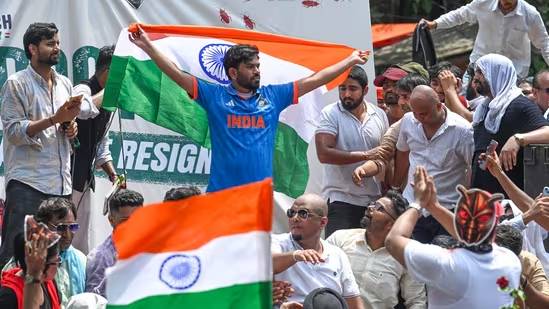
CJP protest in Delhi , June 20 : A fresh wave of student protests is gathering momentum in New Delhi as the Cockroach Janta Party prepares for its second major demonstration at Jantar Mantar. What began as a youth-led campaign against examination paper leaks and irregularities has now turned into a wider movement demanding accountability, fairness, and urgent reforms in India’s education system.
Leading the protest is activist Abhijeet Dipke, who has become the face of the movement. Ahead of the demonstration, Dipke gave a strong “Chalo Dilli” call on social media, urging supporters from across the country to gather in the national capital. In a symbolic act meant to grab attention, he asked protesters to carry plates and spoons, a move many see as a reminder of past nationwide calls for unity — now being repurposed as a call for justice for students.
The protest comes at a time when frustration among students is running high, especially after recent controversies surrounding major competitive exams like NEET. Many students have been left anxious and uncertain due to paper leak allegations, re-examinations, and repeated disruptions. For thousands preparing for these life-changing exams, the pressure has become overwhelming.
At the centre of the protest is the demand for the resignation of Union Education Minister Dharmendra Pradhan. Protesters believe the government has failed to ensure transparency and fairness in conducting examinations. Dipke has accused authorities of ignoring the mental and emotional burden students are carrying, saying the system has pushed many into hopelessness and despair.
In an emotional open letter to Prime Minister Narendra Modi, Dipke demanded ₹1 crore compensation for families of students who allegedly died by suicide amid the ongoing exam crisis. He claimed that several students had taken their lives in recent weeks because of uncertainty, delays, and the fear of losing precious years of their future. The appeal has struck a chord with students and parents across the country, many of whom say the emotional cost of these irregularities is often ignored.
Dipke also criticised the government for what he called a lack of empathy toward students. He questioned why there had been little public outreach or reassurance from the highest levels of leadership, despite the scale of distress among the youth. His sharp words have fueled public debate over how student concerns are being handled.
Adding more weight to the protest, well-known activist Sonam Wangchuk is expected to attend the gathering. Wangchuk’s support has given the movement greater visibility and strengthened its image as more than just a temporary protest.
In response, security arrangements in Delhi have been tightened. Authorities have deployed CCTV cameras, body-worn cameras, barricades, and senior police officials at Jantar Mantar to closely monitor the protest and maintain order. Officials have urged demonstrators to remain peaceful while ensuring that law and order is not disturbed.
What makes this protest significant is that it reflects a much larger issue than just one exam or one leak. For many students, it has become a fight for trust in the education system itself. They are not just demanding answers; they are asking for a future where hard work matters more than loopholes, delays, or system failures.
As students gather in Delhi, the message is clear: this generation is no longer willing to stay silent. Whether the protest will lead to policy changes or stronger accountability remains to be seen, but it has already become a powerful reminder of the growing frustration and determination of India’s youth.
News source: Information for this article was gathered from a variety of reliable news outlets.