Saudi Arabia Urges United States to Drop Strait of Hormuz Blockade Plan Amid Escalating Tensions With Iran
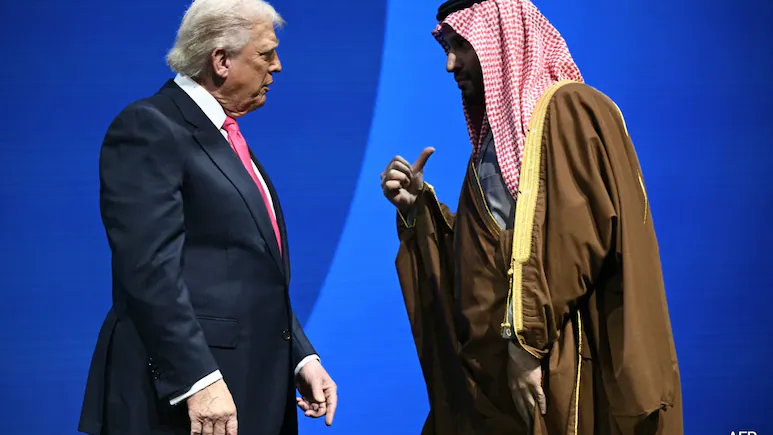
Growing tensions in the Middle East have pushed Saudi Arabia to quietly urge the United States to reconsider its plan to blockade Iranian ports, fearing the move could trigger further disruption to global energy supplies.
According to a report by The Wall Street Journal, Saudi officials have been pressing the administration of Donald Trump to step back from the blockade plan and return to negotiations with Iran.
The concern comes after Iran closed the strategic Strait of Hormuz earlier in the conflict with the US and Israel, disrupting one of the world’s most critical oil shipping routes.
Fear of Wider Disruption
Saudi Arabia fears that tighter pressure on Iran could provoke retaliation. One of the biggest worries in Riyadh is that Tehran might attempt to shut down another vital maritime chokepoint — the Bab al-Mandeb strait — which connects the Red Sea to global trade routes.
Much of the coastline around Bab al-Mandeb is influenced by the Houthis in Yemen, a group aligned with Iran. During the war in Gaza Strip, the Houthis had already disrupted shipping traffic through the area.
Experts believe that if Iran decides to escalate further, the Houthis could again be used to block the waterway.
Saudi Oil Exports at Risk
Despite the closure of Hormuz, Saudi Arabia managed to maintain oil exports by transporting crude through pipelines across its desert to the Red Sea. This allowed the kingdom to restore shipments to around seven million barrels per day.
However, if Bab al-Mandeb were also closed, those exports could be severely threatened — something Riyadh is keen to avoid.
Iran Signals Possible Response
Iran has hinted that it could respond aggressively to the US blockade plan. Reports from the Iranian news agency Tasnim News Agency quoted senior officials suggesting that Tehran views Bab al-Mandeb as strategically important as Hormuz.
Ali Akbar Velayati, a foreign policy adviser to Iran’s supreme leader Ali Khamenei, warned that global trade and energy supplies could be disrupted quickly if tensions continue to escalate.
Iran’s armed forces have also issued a warning, saying that if the security of Iranian ports is threatened, other ports in the Persian Gulf and Sea of Oman may not remain safe.
Global Oil Markets on Edge
The ongoing conflict has already highlighted how vulnerable the Middle East’s energy infrastructure is. Roughly 20% of global oil and liquefied petroleum gas shipments normally pass through the Strait of Hormuz, making any disruption there a major global concern.
Iran’s blockade has reportedly cut off about 13 million barrels of oil exports per day, pushing crude prices above $100 per barrel.
Despite Saudi concerns, the US administration maintains that the blockade is necessary to pressure Iran. White House officials say the move is meant to ensure the free flow of global energy supplies and prevent Tehran from using maritime routes as leverage.
Gulf Nations Seek Diplomatic Solution
The six-week conflict has strained relations between Iran and several Gulf countries, including United Arab Emirates, Qatar, Bahrain and Iraq.
For years, these nations maintained a fragile balance with Iran to protect shared economic interests. But the current crisis has shaken that understanding.
Now, many Gulf states are reportedly pushing for a diplomatic solution, urging Washington to reopen talks with Tehran before the conflict disrupts global energy markets even further.
News Source : Information for this article was gathered from a variety of reliable news outlets.