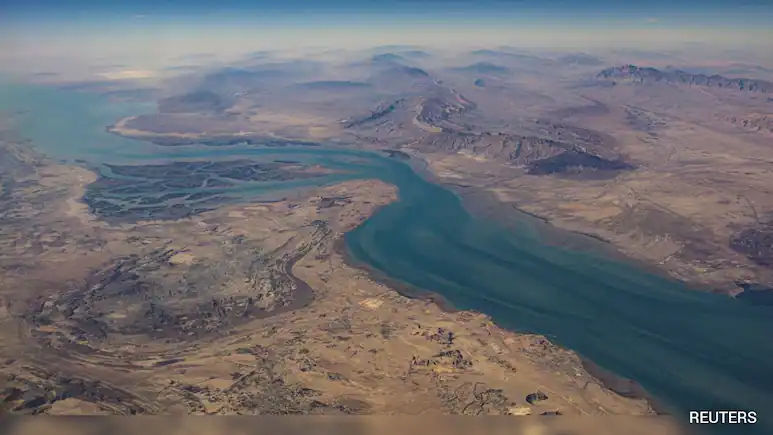
Iran Reimposes Strait of Hormuz Restrictions, Blames US for Breaking Promise
Tensions in the Middle East have escalated once again as Iran moved to tighten control over the strategically crucial Strait of Hormuz, reversing its brief decision to reopen the waterway.
In a strong statement, Iran’s military accused the United States of going back on its word. According to Tehran, Washington continued its naval blockade of Iranian ports despite earlier expectations of easing restrictions. “Until freedom of movement for vessels heading to Iran is restored, the situation in the Strait will remain under strict control,” the military said.
From Hope to Standoff
Just a day earlier, there had been a sense of cautious optimism. Iran had announced the reopening of the Strait following a ceasefire linked to the conflict involving Hezbollah and Israel. However, that hope was short-lived.
By Saturday, Iranian state media confirmed that the Strait was once again under tight military supervision, pointing directly to the continued US naval presence as the reason for the reversal.
Meanwhile, Donald Trump made it clear that the blockade would remain in place until Iran agrees to broader terms, including negotiations over its nuclear programme.
Why the Strait Matters
The Strait of Hormuz isn’t just another waterway — it’s a lifeline for global energy. Nearly one-fifth of the world’s oil passes through this narrow passage. Any disruption sends shockwaves through global markets, impacting fuel prices and supply chains worldwide.
Its closure over the past weeks has already strained oil flows, adding pressure to economies far beyond the region.
Small Signs of Easing Elsewhere
Amid the rising tensions at sea, there was a slight easing in the skies. Iran announced a partial reopening of its eastern airspace, allowing international transit flights to resume. Some airports have also begun limited operations again.
A Conflict With Heavy Costs
The ongoing conflict, which began after US and Israeli strikes in late February, has taken a severe human toll. Thousands have lost their lives across Iran, Lebanon, Israel, and parts of the Gulf, including US personnel.
As both sides dig in, the situation remains fragile — with diplomacy stalled and the risk of further escalation looming over one of the world’s most critical regions.
News Source : Information for this article was gathered from a variety of reliable news outlets.