FDA Raids Raise Food Safety Concerns: Can Consumers Still Trust India’s Favourite Food Brands
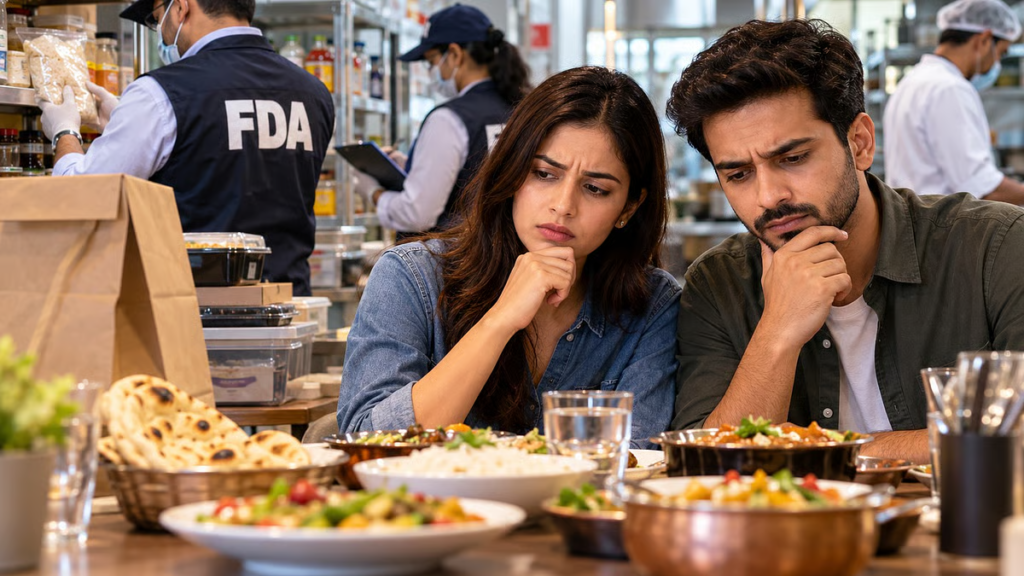
New Delhi, India | October 21, 2026
Recent food safety raids conducted by the Food and Drug Administration (FDA) have raised serious questions about hygiene and food-handling practices across India’s food industry. From popular restaurants and neighbourhood eateries to cloud kitchens, packaged food businesses and food delivery warehouses, inspections have brought renewed attention to what happens behind the scenes before food reaches consumers.
For millions of Indians, ordering food online or dining out has become part of everyday life. People often choose familiar brands because they expect a certain level of quality, cleanliness and reliability. However, reports of food safety violations at different establishments have begun to challenge that confidence, leaving consumers wondering whether the food they eat is being stored, prepared and handled safely.
The recent developments have also sparked a wider conversation about accountability in the food business. Industry experts, chefs, food entrepreneurs and consumers believe that food safety cannot be judged by a restaurant’s popularity, attractive presentation or premium pricing alone. Instead, it depends on the standards followed at every stage, from purchasing ingredients and storing raw materials to preparing meals and delivering them to customers.
Food Safety Begins Behind the Scenes
For Anisha Anand, co-founder of Aurum Foods, the recent raids highlighted one of the most important responsibilities of the food industry: maintaining consistent safety standards throughout the entire process of preparing and serving food.
According to her, food safety is not limited to what customers see on their plates. It also involves the quality of ingredients, the cleanliness of kitchens, proper storage conditions, temperature control and the way food is handled before it reaches the consumer.
Customers may see a beautifully presented meal or a clean dining area, but they rarely know what happens in the kitchen, storeroom or refrigeration facilities. These less visible areas are equally important in ensuring that food remains safe for consumption.
Anisha emphasised that businesses must follow strict hygiene practices at every stage rather than treating food safety as a formality. Ingredient quality, traceability, proper temperature management and compliance with established safety regulations are essential responsibilities that cannot be compromised.
Her observations underline the importance of building food safety into everyday operations. A business should not wait for an inspection or complaint before checking whether its kitchen and storage facilities meet the required standards.
Food Safety Concerns Extend Beyond Small Eateries
Umesh Kumar Agarwal, Director at Haldiram, said the recent incidents were concerning because they could affect consumer confidence across the wider food industry.
Many customers naturally pay attention to the cleanliness of a restaurant’s dining area. However, the storeroom, refrigerators, chillers, drainage systems and other areas away from public view can be just as important in preventing contamination and maintaining food quality.
Agarwal pointed to reports of expired curd being found at a large cloud kitchen and outdated stock at a food delivery warehouse. Such incidents are particularly concerning because established businesses are generally expected to have documented procedures and systems for managing food quality and safety.
He suggested that the challenge is not necessarily a lack of awareness about food safety rules. Rather, businesses must ensure that these rules are followed consistently, even when operations become busy and staff are under pressure.
A kitchen may appear well-managed during a quiet period, but maintaining the same standards during a busy weekend or peak dinner service requires discipline, supervision and effective management.
According to Agarwal, business leaders must also pay attention to areas that customers cannot see. Regular inspections of kitchens, storage spaces and food-handling facilities can help identify problems before they put consumers at risk.
Why Are More Food Businesses Coming Under Scrutiny?
Chef Kamalika Anand, head chef and owner of Via Bianca Delhi, described the recent developments as a domino effect. According to her, the discovery of non-compliance at one establishment can prompt closer scrutiny of other businesses, particularly when similar concerns emerge across the sector.
The food industry in India has expanded rapidly in recent years. Restaurants are no longer the only businesses responsible for preparing and supplying meals. Cloud kitchens, organised catering services, packaged food companies, quick-service restaurants and online delivery platforms have become important parts of the modern food ecosystem.
This expansion has created more choices for consumers, but it has also made food safety management increasingly complex. Every additional kitchen, storage facility, distribution centre or delivery operation introduces another point where proper procedures must be followed.
Anisha Anand noted that maintaining uniform standards across a growing business can be challenging. When inspections are targeted or coordinated, several establishments may come under scrutiny within a short period.
However, it is important to distinguish between businesses that have been inspected and those in which violations have actually been established. An inspection does not automatically mean that an establishment has broken the rules. The findings of the authorities and the relevant legal procedures must determine whether a violation has occurred and what action is appropriate.
This distinction is essential to ensure that consumers receive accurate information and that businesses are judged fairly.
The Food Supply Chain Is More Complicated Than Ever
Delhi-based food enthusiast Rahul Thakral said the recent raids had changed the way he looked at food ordered from familiar restaurants and popular brands.
Earlier, many consumers assumed that ordering from a well-known establishment offered a reasonable guarantee of hygiene and food safety. Reports of alleged violations at established businesses have now encouraged people to question that assumption.
Rahul pointed out that food safety concerns are not restricted to roadside stalls or small neighbourhood eateries. The wider supply chain includes restaurants, cloud kitchens, delivery platforms, dark stores, warehouses, distributors, contractors and quick-commerce companies.
Food may pass through several locations before it reaches a customer’s home. Each stage requires appropriate storage, handling and monitoring to maintain its quality and safety.
The rapid growth of online food delivery and quick-commerce services has made this system even more extensive. Businesses may now manage numerous kitchens, warehouses and distribution points, making consistent oversight more demanding.
Umesh Kumar Agarwal also observed that regulatory authorities appear to be paying greater attention to these expanding operations. According to him, the growth of cloud kitchens, food delivery applications and quick-commerce platforms has introduced thousands of additional food preparation and storage points, and compliance has not always kept pace with this expansion.
The increased visibility of these problems does not necessarily mean that every part of the industry has become less safe. It may also indicate that violations that previously received limited attention are now being investigated and reported more widely.
Social Media Is Changing How Consumers Respond
The spread of news through digital platforms and social media has made food safety incidents more visible to the public. Information that might once have remained confined to a local area can now reach thousands of people within minutes.
Consumers are increasingly sharing their experiences, raising complaints and questioning the practices of restaurants and food businesses. This greater visibility can encourage accountability, but it can also create confusion when preliminary findings are treated as final conclusions.
Mumbai-based food blogger The Messy We stressed the importance of distinguishing between an establishment being inspected, being found in violation of food safety requirements and facing a confirmed penalty for a safety-related offence.
These are different stages, and consumers need reliable information to understand what actually happened.
Generalised claims about an entire brand or industry can create unnecessary fear, particularly when investigations are still underway. Accurate reporting should explain the findings of inspections and distinguish allegations from established violations.
For consumers, the goal should be to make informed choices rather than assume that every restaurant or food delivery service is unsafe.
Popularity and Premium Prices Do Not Guarantee Hygiene
One of the biggest changes emerging from the recent raids is the way consumers evaluate food businesses.
Rahul Thakral said he previously associated recognised restaurant names with reliable hygiene standards. However, reports of violations at well-known establishments have made him more cautious about relying on brand reputation alone.
A popular name, an expensive menu or a polished dining environment does not automatically guarantee that food has been handled safely. Similarly, attractive social media photographs, positive online reviews and influencer recommendations may reveal little about the actual conditions inside a kitchen.
Reviews can help customers understand the taste, service and overall dining experience, but they cannot always establish whether ingredients are stored at the correct temperature or whether food-handling procedures are being followed.
The Messy We also observed that consumers are increasingly looking beyond online ratings, ambience and popularity when deciding where to eat. Hygiene and food safety are becoming more immediate considerations.
This does not mean that consumers will stop eating out or ordering food online. Instead, they may become more selective and pay closer attention to the practices of businesses they trust.
What Do the Raids Mean for Responsible Food Businesses?
While the incidents have raised concerns, industry representatives believe it would be unfair to treat every food business as unsafe because violations have been reported at some establishments.
Anisha Anand said the impact of the raids may differ among consumers. Some people could become more cautious about ordering food online, while others may prefer businesses that make their hygiene standards more visible.
She also cautioned against allowing isolated incidents to create a blanket perception that the entire food industry is unsafe.
Businesses that consistently maintain strong hygiene practices should be recognised for their efforts. At the same time, establishments that fail to follow safety requirements must address the problems identified by regulators and take corrective action where necessary.
Chef Kamalika Anand said the recent scrutiny had also highlighted the importance of ingredient quality, safety procedures and responsible food handling. These factors can help explain why some businesses invest more heavily in their kitchens, sourcing systems and operational standards.
Ultimately, consumers should be able to make decisions based on credible information, while responsible businesses should be given the opportunity to demonstrate that they meet the required standards.
Transparency Could Become a Competitive Advantage
Looking ahead, consumers may increasingly consider hygiene and transparency alongside price, convenience and taste when choosing restaurants and food delivery services.
Rahul Thakral believes that trust could become a major competitive advantage in India’s expanding food industry. Businesses that communicate clearly about their practices and consistently follow food safety requirements may be better positioned to retain customer confidence.
The Messy We also highlighted the responsibility of food bloggers and influencers, whose recommendations can influence where people choose to eat. Promoting an establishment should involve thoughtful consideration of its practices rather than relying only on presentation, popularity or social media appeal.
The size of a business should not determine the standards it is expected to follow. Small eateries, independent restaurants, large hotel chains, cloud kitchens and major food companies must all take food safety seriously.
Regular internal checks, proper staff training, appropriate storage facilities, careful ingredient sourcing and consistent monitoring can help businesses reduce risks. Food safety must become part of everyday operations rather than an exercise undertaken only when an inspection is expected.
Can Consumers Still Trust India’s Favourite Food Brands?
The recent FDA raids have raised legitimate questions about food safety, but they do not automatically mean that every popular restaurant or food brand is unsafe. The more important issue is whether businesses are maintaining the standards required to protect their customers and whether authorities are identifying and addressing violations effectively.
For consumers, the incidents serve as a reminder that familiarity and reputation should not be the only factors influencing food choices. Reliable information, transparent practices and credible regulatory findings are important when assessing a business.
For the food industry, the message is equally clear: customer trust must be earned through consistent performance. A clean dining area and attractive presentation are not enough if the same level of care is missing from food preparation, storage and handling.
The future of India’s food sector will depend not only on its ability to expand and deliver meals quickly but also on its commitment to quality and safety. Businesses that treat hygiene as a daily responsibility, rather than a response to regulatory pressure, will be better placed to build lasting relationships with consumers.
The recent raids have brought food safety into sharper focus and created an opportunity for the industry to strengthen its practices. Ultimately, the most important ingredient in any successful food business is not just taste or convenience, but the trust that customers place in the food they eat.
News source: Information for this article was gathered from a variety of reliable news outlets.