Bihar CM Samrat Choudhary Announces Four Key Education Reforms to Put Students First
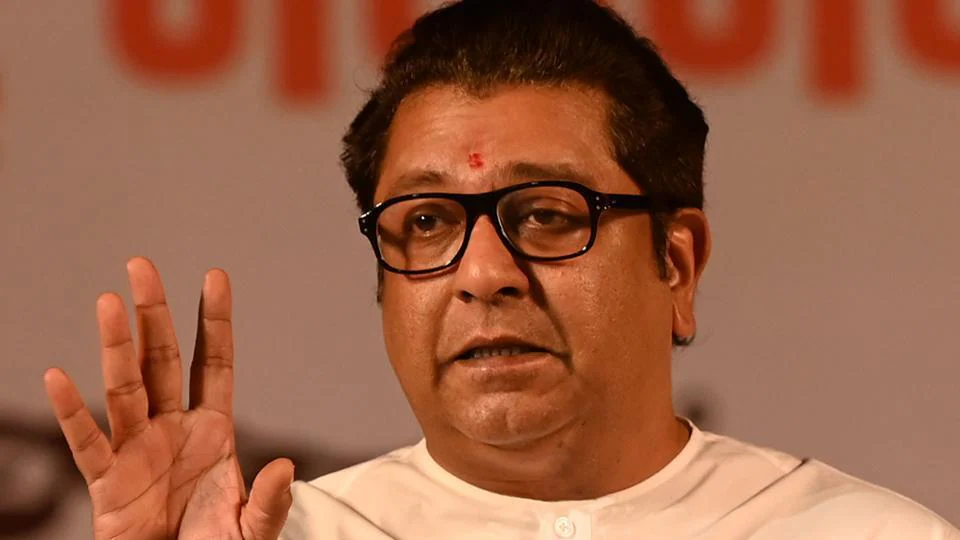
Patna: Bihar Chief Minister Samrat Choudhary has announced a four-point education reform plan aimed at improving the quality of schooling, modernising examinations and making the education system more responsive to students’ needs.
The roadmap was unveiled on Sunday during a two-day state-level workshop-cum-reflection camp organised by the Bihar Education Department in Patna. The initiative focuses on improving learning outcomes, making examinations more transparent and giving students a greater say in matters concerning their education.
Later in the day, Choudhary shared details of the proposed reforms in a post on X, highlighting the government’s intention to build a stronger and more student-focused education system across the state.
Four Major Reforms Announced
One of the key decisions is the formation of a state-level committee for quality education. The committee will work towards improving educational standards across schools and gradually developing institutions into centres of excellence.
The government also plans to focus on improving students’ learning outcomes rather than limiting education to textbook-based learning. The objective is to ensure that students gain stronger conceptual understanding and skills that can help them in higher education and future careers.
A second major decision involves examination reforms. A separate state-level examination reform committee will be constituted to examine how technology and artificial intelligence can be used to improve board examinations, competitive tests and classroom assessments.
The proposed changes are expected to make examinations more transparent, efficient and fair while placing greater emphasis on students’ knowledge, understanding and analytical abilities.
Ministers, MPs and MLAs to Interact Directly With Students
The third part of the roadmap focuses on creating a direct connection between students and elected representatives.
According to the chief minister, special collaboration camps will be organised where the CM, ministers, MPs and MLAs will interact with students.
These meetings will provide students with an opportunity to openly discuss their concerns, share suggestions and highlight problems they face in schools and colleges.
The government believes that direct interaction with students can help policymakers better understand issues at the ground level and design policies accordingly.
Student Welfare Directorates to Be Set Up
The fourth major decision is the creation of student welfare directorates in relevant government departments.
These directorates will be responsible for improving coordination between departments and ensuring that various student-focused schemes and measures are implemented effectively.
The move is intended to create a more coordinated approach to student welfare rather than having different departments work in isolation.
CM Says Bihar’s Future Depends on Its Youth
Speaking at the workshop, Choudhary stressed that connecting Bihar’s young population with opportunities and the mainstream remains one of the government’s key priorities.
He said the future of Bihar depends on its youth and that the next generation will play a major role in rebuilding and developing the state.
The chief minister also emphasised the need to strengthen Bihar’s education system so that students do not feel compelled to leave the state in search of better educational opportunities.
According to Choudhary, families with sufficient financial resources are already able to send their children to reputed institutions outside Bihar. The larger responsibility, he said, is to ensure that students from families with limited resources also have access to quality education within the state.
Focus on Quality Education Within Bihar
The government’s roadmap comes against the backdrop of continued efforts to improve educational infrastructure and learning outcomes in Bihar.
The proposed reforms aim to address several aspects of education simultaneously—from the quality of teaching and learning to examination systems and student welfare.
By introducing technology and artificial intelligence into assessment systems, the government hopes to make examinations more modern and reliable. At the same time, direct interaction between students and political representatives could provide policymakers with a clearer understanding of challenges faced by young people.
The state-level quality education committee and student welfare directorates are also expected to play an important role in coordinating reforms and monitoring their implementation.
Aims to Build a More Student-Centric Education System
The four-point plan reflects the Bihar government’s stated intention to move towards an education system that places students at the centre of policymaking.
From improving classroom learning to reforming examinations and creating channels for students to voice their concerns, the roadmap seeks to address multiple areas of the education system.
The success of the initiative, however, will depend on how effectively these decisions are implemented across schools and departments.
For Bihar’s students, the larger goal is clear: access to better-quality education within the state, fairer assessment systems and greater opportunities to participate in discussions about their own future.
News source: Information for this article was gathered from a variety of reliable news outlets.