Tashkent: India, Uzbekistan Reach Long-Term Uranium Supply Agreement During PM Modi’s Visit
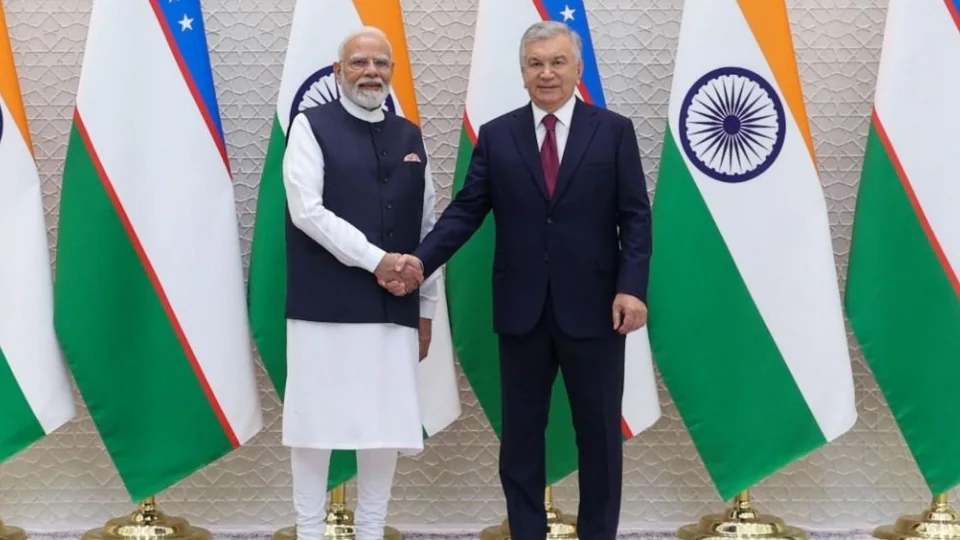
Tashkent, Uzbekistan | August 30, 2026 : India and Uzbekistan have taken a significant step toward strengthening their strategic partnership, with Prime Minister Narendra Modi announcing a long-term arrangement for the supply of uranium from Uzbekistan to India.
The agreement was announced on Sunday during PM Modi’s meeting with Uzbek President Shavkat Mirziyoyev in Tashkent. The development is particularly important for India as the country continues to expand its nuclear power capacity and looks for stable, long-term sources of nuclear fuel.
Speaking after the talks, PM Modi described the uranium supply arrangement as one of the key outcomes of his visit. A dependable supply of uranium could help India maintain fuel availability for its nuclear reactors and support its broader plans to increase the contribution of nuclear energy to the country’s electricity needs.
Uranium Deal Adds a New Dimension to Bilateral Ties
India and Uzbekistan have maintained close relations across several areas, including trade, investment, pharmaceuticals, information technology, education and culture. The proposed long-term uranium arrangement adds an important energy and strategic component to that relationship.
For India, securing reliable nuclear fuel supplies is an important part of its long-term energy strategy. Nuclear power provides electricity without direct carbon emissions during generation and is expected to remain part of India’s efforts to balance rising energy demand with its climate and clean-energy goals.
The announcement also highlights the growing importance of Uzbekistan as a partner for India in Central Asia.
Focus on Making Sister-City Partnerships Work
The two countries are also working toward three sister-city and sister-state agreements aimed at strengthening cooperation at the regional and local levels.
PM Modi stressed that such partnerships should go beyond signing agreements and should result in practical projects and measurable outcomes. He called for a clear roadmap to ensure that the proposed partnerships translate into cooperation that benefits people and communities on the ground.
Urban development was another area discussed during the visit.
Uzbekistan is developing New Tashkent, a major new urban project being built near the existing capital. PM Modi highlighted India’s experience with GIFT City in Gujarat as an example that Uzbekistan could study while developing its new urban centre.
He also offered to host an Uzbek delegation in India so that officials could see first-hand how GIFT City has been planned and developed, including its use of technology, infrastructure and modern urban-planning practices.
Bilateral Trade Crosses $1 Billion
Economic ties between India and Uzbekistan are also showing signs of growth.
President Mirziyoyev said bilateral trade crossed the $1 billion mark last year for the first time, reflecting the expanding commercial relationship between the two countries.
He also noted that the number of joint ventures involving Indian and Uzbek businesses has increased significantly, reportedly rising sevenfold compared with a few years ago.
The increase in trade and investment indicates that the relationship is gradually moving from traditional diplomatic cooperation toward deeper economic engagement.
More Direct Flights to Improve Connectivity
Connectivity between India and Uzbekistan is also improving.
According to President Mirziyoyev, the two countries currently have 14 direct flights every week. Better air connectivity is expected to make it easier for tourists, business travellers, students and professionals to move between the two countries.
The improvement in connectivity comes at a time when both governments are looking to increase tourism and people-to-people exchanges.
Visa-Free Travel for Indian Citizens
One of the developments likely to attract the most attention among Indian travellers is Uzbekistan’s decision to remove visa requirements for Indian citizens visiting the country for stays of up to 30 days.
The move is expected to make travel between the two countries easier and could encourage more Indians to visit Uzbekistan for tourism, business and cultural exchanges.
For Indian travellers, destinations such as Tashkent, Samarkand, Bukhara and Khiva have become increasingly popular because of Uzbekistan’s historic architecture, Silk Road heritage and cultural links with the wider region.
The easier visa regime could give further momentum to tourism between India and Uzbekistan.
Culture and Yoga Continue to Build People-to-People Links
The relationship between the two countries is not limited to economics and strategic cooperation.
President Mirziyoyev highlighted the contribution of the Lal Bahadur Shastri Centre for Indian Culture and the Mahatma Gandhi Centre for Indian Studies in promoting Indian culture and strengthening people-to-people connections in Uzbekistan.
Yoga has also become increasingly popular in the country. Uzbekistan has had a national Yoga Federation since 2018 and hosted a yoga festival in June that attracted participants from different parts of the region.
Such cultural exchanges have helped create a broader connection between the people of India and Uzbekistan beyond government-to-government relations.
A Broader Partnership Taking Shape
The developments announced during PM Modi’s visit suggest that India-Uzbekistan relations are entering a broader phase of cooperation.
The long-term uranium arrangement could strengthen India’s nuclear fuel security, while the growing trade relationship offers opportunities for businesses in both countries. Increased flights and easier visa rules could encourage tourism and business travel, while sister-city partnerships and cooperation in urban development could open new areas for collaboration.
India and Uzbekistan already work together in several sectors, including pharmaceuticals, IT, education, investment and culture. The latest announcements add nuclear energy, urban development and tourism connectivity to that expanding list.
For India, Uzbekistan’s location in Central Asia also gives the partnership wider strategic importance. Stronger ties with Tashkent can support India’s efforts to deepen its engagement with the Central Asian region.
PM Modi’s visit to Uzbekistan concluded on August 30, following which he was scheduled to travel to Bishkek for the Shanghai Cooperation Organisation summit.
The key challenge now will be turning the agreements and announcements into projects that deliver tangible results. From uranium supplies and trade to easier travel and city partnerships, both countries have outlined an increasingly ambitious agenda for their relationship.
If implemented effectively, the latest developments could mark another important chapter in the growing India-Uzbekistan partnership.
News source: Information for this article was gathered from a variety of reliable news outlets.