Mumbai’s Legendary Dabbawalas Face Uncertain Future as Work-From-Home and Food Apps Change Lunch Habits
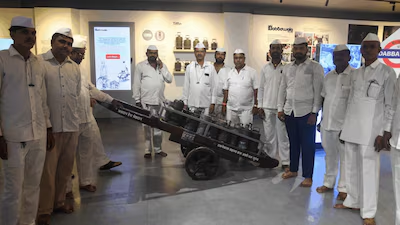
For more than 135 years, Mumbai’s iconic dabbawalas have been a symbol of efficiency, delivering thousands of home-cooked meals across the city with remarkable precision. Their unique delivery system has been studied by global institutions, praised by business leaders, and admired around the world. Today, however, this century-old profession is facing one of its biggest challenges.
The rise of work-from-home culture, hybrid office schedules, and food delivery platforms has dramatically reduced the demand for traditional lunchbox delivery services. As office attendance declines and eating habits evolve, many dabbawalas are finding it increasingly difficult to sustain their livelihoods.
According to reports, the number of registered dabbawalas has fallen sharply over the past few years. Once a workforce of around 4,500 members, the community has reportedly shrunk to nearly 1,500 as many workers have been forced to seek alternative sources of income.
For generations, dabbawalas formed the backbone of Mumbai’s lunch delivery system. Every day, they collected freshly prepared meals from homes, sorted them using a unique coding method, transported them through Mumbai’s vast local train network, and delivered them to offices with extraordinary accuracy. The empty lunchboxes were then returned to homes after lunch.
The COVID-19 pandemic marked a turning point. When offices shut down during lockdowns, demand for lunch deliveries collapsed almost overnight. Even after restrictions were lifted, the widespread adoption of remote and hybrid work models meant that fewer employees returned to offices on a daily basis.
At the same time, food delivery platforms such as Swiggy and Zomato transformed how urban professionals choose their meals. With thousands of restaurants, cloud kitchens, discounts, and instant delivery options available through smartphones, many office-goers shifted away from home-cooked lunch services.
Changing family structures have also contributed to the decline. In many households, both partners work, and fewer families prepare elaborate meals that require daily delivery to workplaces. Quick meals, takeaway options, and flexible work schedules have altered traditional lunchtime routines.
For workers who depended on the profession, the impact has been severe. Many former dabbawalas have taken up other jobs, including driving auto-rickshaws, working as delivery agents, or engaging in part-time employment to support their families. Those who remain in the trade often juggle multiple jobs to make ends meet.
Veterans of the profession worry that younger generations may no longer view dabbawala work as a viable career option. While the Mumbai Tiffin Box Suppliers Association is exploring ways to help workers supplement their income, questions remain about whether the famous network can ever regain its former scale.
Despite the challenges, Mumbai’s dabbawalas remain an enduring symbol of dedication, discipline, and community service. Their story reflects not only the transformation of urban lifestyles but also the human cost of technological and workplace changes that continue to reshape modern India.
News source: Information for this article was gathered from a variety of reliable news outlets.