Mankhurd Slum Collapse Case: Court Denies Bail to Contractor, Says He Ignored Warning About Unsafe Structure
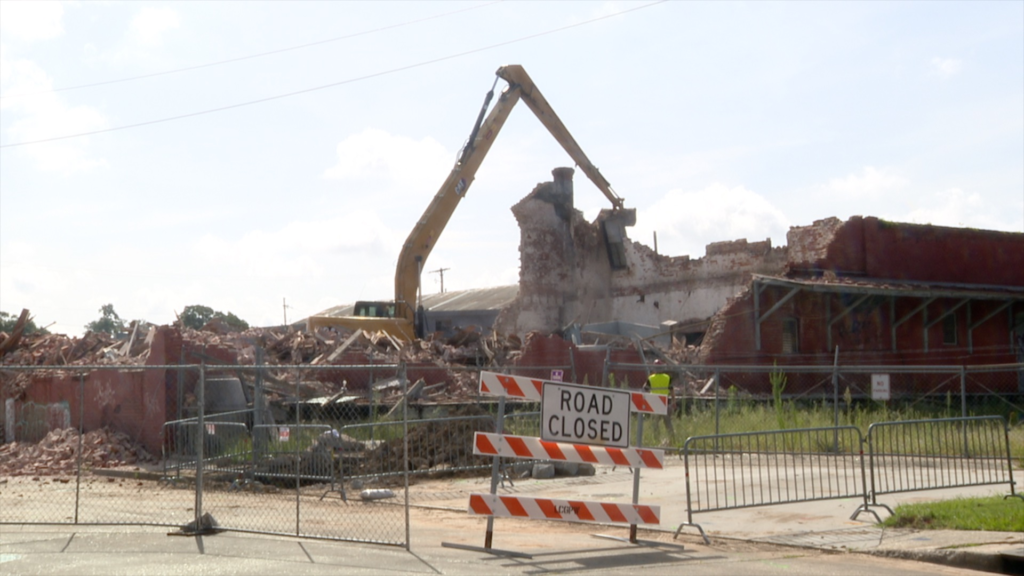
Mumbai, July 18: A Mumbai court has rejected the anticipatory bail application of contractor Abdul Wahid Idrisi, who has been accused in connection with the deadly Mankhurd slum building collapse case. The court observed that preliminary evidence indicated that the accused was allegedly aware of the dangerous condition of the building but failed to take necessary steps to prevent a possible disaster.
The collapse of the four-storey structure in Mankhurd earlier this month resulted in the deaths of six people and brought renewed attention to the issue of unsafe buildings, illegal constructions, and violations of safety norms in densely populated parts of Mumbai.
While hearing Idrisi’s bail plea, Additional Sessions Judge R.M. Jadhav stated that the material available before the court showed a prima facie connection between the contractor and the construction as well as the continued existence of the unsafe structure. The court noted that the allegations against the accused were serious and required a detailed investigation before any relief could be granted.
The judge observed that providing protection from arrest at this stage could potentially affect the ongoing investigation. Considering the seriousness of the incident and the loss of lives, the court said that the investigating agency needed sufficient opportunity to examine all aspects of the case.
According to police records submitted during the hearing, there were indications that concerns about the building’s condition had been raised even before the collapse. The court was informed that an earlier incident had taken place in which a person reportedly suffered injuries after a tile from the building fell. The contractor was allegedly informed about the incident and the possible danger posed by the structure.
However, despite being aware of the warning signs, Idrisi allegedly did not take adequate measures to repair, secure, or remove the unsafe portions of the building. The prosecution argued that such alleged negligence created a serious risk to residents and ultimately contributed to the tragic incident.
The police told the court that the accused had an important role in the construction and maintenance of the structure. They argued that his custodial interrogation was necessary to gather more information, identify other people who may have been involved, and understand how an unsafe building continued to remain occupied despite possible risks.
The prosecution further stated that the investigation was still at an early stage and that granting anticipatory bail could make it difficult to uncover the complete chain of responsibility behind the collapse.
On the other hand, the defence argued that Idrisi had been falsely implicated in the case and claimed that he was not directly responsible for the collapse. The defence sought protection from arrest, stating that there was insufficient evidence linking him to the tragedy.
After reviewing the arguments from both sides and examining the available material, the court refused to grant anticipatory bail. The judge held that the allegations against the contractor were serious enough to require further investigation and that his custodial questioning could be important for the case.
The Mankhurd building collapse has once again raised concerns about the condition of old and illegally constructed buildings in Mumbai’s crowded neighbourhoods. The incident has increased pressure on civic authorities to identify dangerous structures, enforce safety regulations, and take preventive action before more lives are lost.
The police investigation into the case is continuing, with authorities examining the roles of contractors, builders, and other individuals associated with the construction and maintenance of the collapsed building. Further action will depend on the findings of the ongoing probe.
News source: Information for this article was gathered from a variety of reliable news outlets.