FSSAI Proposes Nationwide Ban on Non-Dairy Products Being Sold as ‘Paneer’ to Protect Consumers
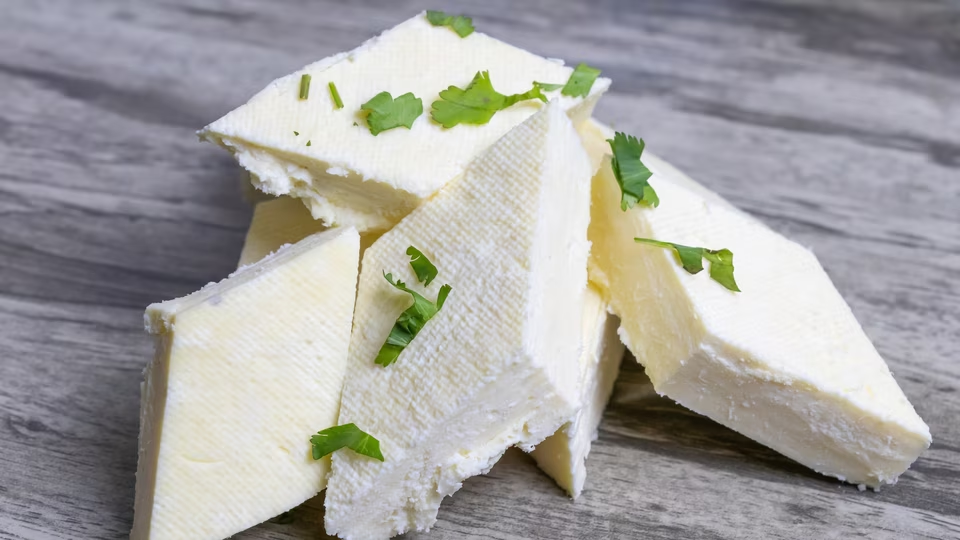
New Delhi: The Food Safety and Standards Authority of India (FSSAI) has proposed a nationwide restriction on the manufacture and sale of non-dairy analogue products being marketed or labelled as “paneer”, in a move aimed at making food labelling clearer and preventing consumers from being misled about what they are buying.
The food regulator announced the proposal on Thursday, saying that products made without milk or with milk components replaced by non-dairy ingredients should not be presented to consumers as paneer.
According to the FSSAI, the proposed change is intended to safeguard consumer interests and ensure that the name and labelling of a food product accurately reflect its nature and composition.
What are analogue dairy products?
Analogue dairy products are alternatives in which some or all of the ingredients normally associated with milk are replaced with ingredients that are not derived from milk.
In the case of analogue paneer, manufacturers may use ingredients such as vegetable oils, starches, plant proteins, emulsifiers and other permitted additives instead of milk fat or other milk-based components.
While such products may be manufactured as alternatives to conventional dairy products, the FSSAI’s concern is about how they are described and marketed to consumers.
Under the proposed change, a non-dairy analogue product would not be allowed to use the term “paneer” in a manner that could make consumers believe that the product is conventional paneer made from milk.
FSSAI proposes changes to food regulations
The regulator has proposed an amendment to the Food Safety and Standards (Prohibition and Restrictions on Sales) Regulations, 2011.
The proposed amendment seeks to restrict the manufacture and sale of analogue products as paneer, with the stated objective of preventing misleading information about the product’s nature and composition.
The FSSAI notification also states that products already registered or licensed under the “Analogue in Dairy Context” category would have to stop using the word “Paneer” in their product names, labels or marketing material if the proposed changes come into force.
This means manufacturers and businesses selling such products may have to review how their products are named, packaged and advertised.
The move is being undertaken under the regulatory powers available to the FSSAI under the Food Safety and Standards Act, 2006.
Proposal is not yet a final ban
Although the move has been described as a proposed nationwide ban, the regulatory process is still underway.
The FSSAI has invited members of the public and other stakeholders to submit their objections or suggestions regarding the proposed amendment. The consultation period will remain open for 60 days from the date the relevant copies of the Official Gazette are made available to the public.
After the consultation period ends, the regulator will examine the representations received before taking the next steps in the regulatory process.
Therefore, the proposal should be distinguished from a final regulation already in force. Any changes to the existing rules will depend on the completion of the prescribed regulatory process.
Why the move matters for consumers
Paneer is widely used in Indian households, restaurants, hotels and food-delivery businesses. Consumers generally associate the word “paneer” with a dairy product prepared from milk.
The FSSAI’s proposal focuses on ensuring that consumers can distinguish between traditional dairy paneer and products made using non-dairy ingredients.
Clear labelling can also help consumers make informed choices based on their dietary preferences, expectations and understanding of the product they are purchasing.
The regulator’s position is that a product should not be marketed in a way that creates confusion about whether it contains milk-derived ingredients.
Several states have already taken action
The proposed nationwide regulatory change comes against the backdrop of action taken by several states against analogue paneer.
According to the report, Maharashtra, Karnataka, Madhya Pradesh and Himachal Pradesh are among the states that have imposed restrictions on the manufacturing or sale of analogue paneer.
The FSSAI’s proposal would provide a broader regulatory framework covering such practices across the country.
Zomato also takes action
The issue has also reached food-delivery platforms.
Zomato recently announced a zero-tolerance policy regarding dishes containing analogue dairy products on its platform. The company said restaurants that do not comply with the policy could face delisting.
According to the platform, dishes that restaurant partners had declared as containing analogue dairy products were removed from its listings.
The move highlights the growing focus on transparency in food businesses, particularly where consumers may assume that a dish contains conventional dairy products based on the way it is described.
What happens next?
For now, the FSSAI’s proposal enters a consultation stage. Manufacturers, food businesses, industry stakeholders and members of the public can submit their views and objections to the regulator during the specified period.
The regulator will then consider the feedback before deciding on the final regulatory course.
If the proposed changes are eventually notified, businesses dealing in analogue dairy products would need to ensure that their product names, labels and marketing materials comply with the new requirements.
The proposed change is ultimately centred on labelling transparency and consumer awareness. While non-dairy alternatives can continue to exist as products, the FSSAI wants consumers to be able to clearly identify what they are purchasing rather than being led to believe that a non-dairy product is conventional paneer.
For consumers, the key takeaway is that the proposal seeks to make the distinction between milk-based paneer and non-dairy alternatives clearer. The final rules, however, will depend on the outcome of the FSSAI’s consultation and subsequent regulatory process.
News source: Information for this article was gathered from a variety of reliable news outlets.