Two Critically Endangered Lemurs Traced to Vantara After Alleged Smuggling From Bangladesh
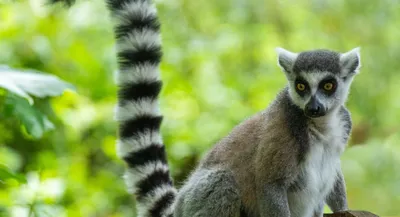
Guwahati: A case involving two critically endangered ring-tailed lemurs has raised fresh concerns over the illegal trafficking and cross-border movement of endangered wildlife after the animals, reportedly stolen from Bangladesh’s Gazipur Safari Park, were traced to Vantara in Gujarat.
According to the report, the two lemurs were among three animals allegedly stolen from the safari park in the early hours of March 23, 2025. Bangladesh’s Criminal Investigation Department (CID), which has been investigating the case, reportedly found that two of the animals were taken across the Bangladesh-India border through the Darshana area of Chuadanga before eventually reaching Jamnagar in Gujarat.
The development came to light after photographs of two ring-tailed lemurs at Vantara appeared on social media. Bangladeshi investigators noticed similarities between the animals shown in those photographs and the lemurs reported missing from Gazipur Safari Park. The findings have since prompted Bangladesh to seek Interpol’s assistance in efforts to establish the animals’ identities and potentially bring them back to the country.
Security guard allegedly linked to the theft
The CID investigation reportedly points to the alleged involvement of several people in the theft and subsequent trafficking operation. According to investigators, wildlife trafficker Jewel allegedly carried out the theft with assistance from Nippen Mahmud, a security guard employed at the safari park through an outsourced arrangement.
The three lemurs were reportedly removed from the facility and taken to a private residence. Investigators said photographs and videos of the animals were allegedly made there and circulated among potential buyers in India.
The investigation has also identified alleged links between individuals in Bangladesh and India. Bablu, reportedly from Kolkata, and Shiplu, from Mumbai, allegedly travelled to Bangladesh in May 2025 in connection with the transaction. Other individuals, including Delwar and Tapan, were reportedly involved in coordinating contacts and arrangements.
According to statements recorded during the investigation, a deal was allegedly negotiated for an adult lemur and a juvenile for around Tk 1.7 million, while another juvenile was reportedly valued at Tk 300,000.
Alleged trafficking route led to Gujarat
Investigators said two of the stolen lemurs were moved across the Bangladesh-India border through the Darshana area with the alleged assistance of a local intermediary.
From there, the animals reportedly changed hands several times before reaching Jamnagar in Gujarat. According to the investigation, Indian buyers eventually paid approximately Rs 48 lakh for the two animals. The animals were subsequently linked to an institution associated with the Vantara project.
The alleged movement of the animals, along with the financial transactions involved, has become an important part of the CID’s investigation into the suspected international trafficking network.
Social media photographs provided a crucial lead
One of the most significant developments in the investigation came from photographs shared on social media.
Bangladeshi authorities reportedly began examining the possibility that the missing lemurs had been transported to India after seeing photographs of two similar ring-tailed lemurs at Vantara. Investigators compared those images with photographs and records available from Gazipur Safari Park and found similarities between the animals.
However, proving that the animals are the exact lemurs stolen from Bangladesh has become difficult because of a lack of scientific identification records.
The lemurs reportedly did not have microchips, individual registration numbers or preserved DNA profiles while they were at the safari park. Without these records, authorities currently do not have definitive scientific evidence that can establish beyond doubt that the animals at Vantara are the same ones stolen from Gazipur.
This identification gap has made the investigation considerably more complicated.
DNA testing may help establish the connection
Bangladeshi authorities are now reportedly looking at DNA testing as a possible way to strengthen the case.
According to the report, investigators are attempting to obtain a genetic profile of the juvenile lemur that remains in Bangladesh. If DNA testing establishes that the remaining animal is biologically related to the two lemurs located in Gujarat, it could provide important evidence supporting the claim that the animals are connected to the Gazipur Safari Park group.
Wildlife officials and experts have emphasised that scientific identification is increasingly important in international wildlife-trafficking investigations. Microchips, individual registration numbers and DNA records can help authorities determine an animal’s identity, origin and ownership when questions arise over its movement.
In this case, the absence of such records has reportedly become a major obstacle for Bangladesh in its efforts to establish the animals’ identity and seek their return.
Lemurs were originally brought to Bangladesh in 2018
The history of the animals goes back several years.
According to the investigation, the lemurs were brought into Bangladesh in August 2018 through Hazrat Shahjalal International Airport. They were allegedly misdeclared to customs as birds and were later transferred to Gazipur Safari Park after being seized.
The animals subsequently bred at the facility. After the male died, the female and two juveniles remained at the safari park.
The CID has reportedly named eight people in connection with the theft and trafficking case, with six of them said to have made confessional statements before a court. Investigators have also identified Dhaka-based customs clearing firm ASHA Enterprise as the importer and are examining the involvement of other intermediaries allegedly connected with the movement of the lemurs from Bangladesh to India.
Wildlife experts highlight gaps in animal identification
The case has also drawn attention to wider problems surrounding the identification and monitoring of rare and endangered animals kept in zoos, safari parks and conservation facilities.
Wildlife and zoo expert Md Reza Khan reportedly stressed that endangered animals should be given individual identification systems as soon as they are brought into a zoo, sanctuary or conservation centre. He also called for their DNA profiles to be preserved so that their identities can be verified if they are later stolen, illegally traded or moved across borders.
Such records can become particularly valuable when animals are involved in international trafficking cases, where determining their origin and ownership can otherwise be extremely difficult.
Khan also called for stronger technology-based surveillance along international borders, including expanded CCTV coverage and modern monitoring systems. He emphasised the importance of identifying and prosecuting wildlife-trafficking networks and improving coordination between Bangladesh’s Forest Department, police, intelligence agencies and other enforcement bodies.
Ring-tailed lemurs face serious conservation threats
Ring-tailed lemurs are native to Madagascar and are easily recognised by their distinctive black-and-white striped tails. The species is classified as Critically Endangered on the IUCN Red List and is also listed under Appendix I of CITES, which imposes strict restrictions on international commercial trade.
Because of their conservation status, the alleged movement of the Gazipur lemurs across international borders has raised concerns beyond the individual case. It has also highlighted the challenges faced by authorities in monitoring endangered animals and preventing them from entering illegal wildlife-trafficking networks.
For Bangladesh, the immediate priority is to determine scientifically and through documentary evidence whether the two lemurs at the Gujarat facility are indeed the animals that disappeared from Gazipur Safari Park.
If their identities are conclusively established, the next major challenge will be determining the legal and diplomatic process for their possible repatriation. That could require cooperation between authorities in Bangladesh and India, as well as international coordination through organisations such as Interpol.
The case ultimately highlights how vulnerable endangered wildlife can become when identification systems are weak. It also underlines the importance of proper documentation, DNA preservation, microchipping and stronger cross-border cooperation to ensure that rare animals do not disappear into international trafficking networks.
News source: Information for this article was gathered from a variety of reliable news outlets.