

HMPV vs. RSV: Understanding the Key Differences Between These Respiratory Infections
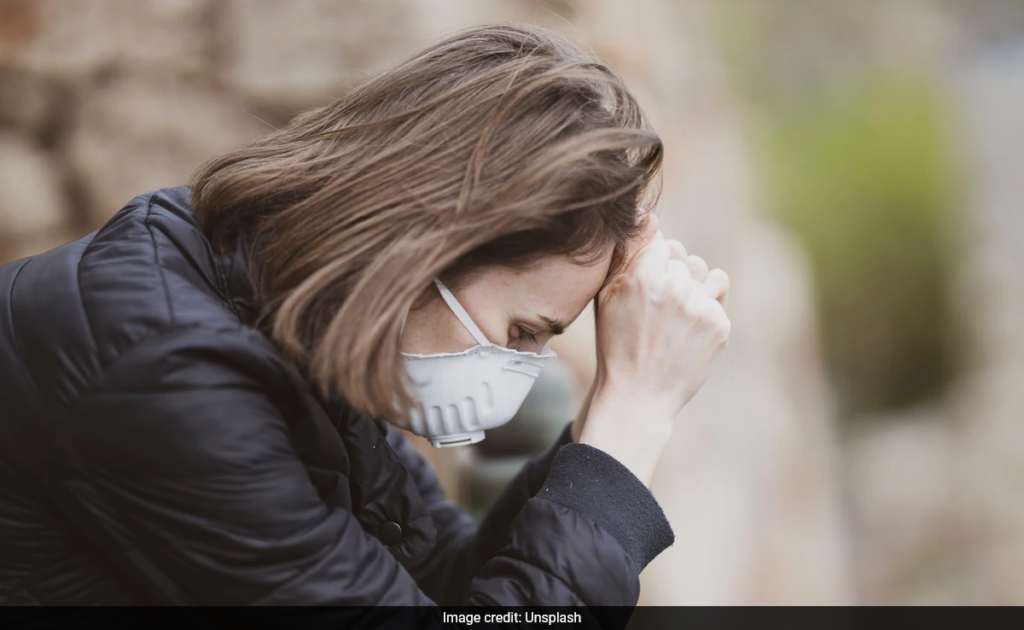
Respiratory infections are a growing health concern, especially during seasonal outbreaks, impacting children, the elderly, and individuals with weakened immune systems. Among these, Human Metapneumovirus (HMPV) and Respiratory Syncytial Virus (RSV) are two major culprits that often cause significant illness. While they share similarities in symptoms and transmission, they differ in their causative viruses, severity, and treatment approaches. Knowing these differences is essential for timely diagnosis, prevention, and effective management.
What Is HMPV?
Discovered in 2001, Human Metapneumovirus (HMPV) is a leading cause of respiratory infections worldwide. It spreads through respiratory droplets and contact with contaminated surfaces.
Symptoms of HMPV:
- Fever
- Cough
- Shortness of breath
- Wheezing
- Nasal congestion
Who Is at Risk for HMPV?
Infants and young children
Elderly individuals
Immunocompromised patients
HMPV infections can range from mild cold-like symptoms to severe complications like bronchiolitis or pneumonia.
What Is RSV?
Respiratory Syncytial Virus (RSV), identified in the 1950s, is a leading cause of respiratory illnesses in infants under two years of age. Like HMPV, it spreads through respiratory droplets and contaminated surfaces.
Symptoms of RSV:
- Runny nose
- Decreased appetite
- Coughing and sneezing
- Wheezing
- Fever
Who Is at Risk for RSV?
Premature infants
Children with congenital heart or lung conditions
Adults with chronic medical issues
RSV is often more severe in younger infants, frequently leading to hospitalizations for bronchiolitis or pneumonia.
Key Differences Between HMPV and RSV
- Causative Virus
HMPV is caused by Human Metapneumovirus.
RSV is caused by Respiratory Syncytial Virus.
- Affected Populations
Both affect similar groups, but RSV is more common and severe in younger infants.
- Seasonality
HMPV peaks in late winter and early spring.
RSV typically peaks in fall and early winter.
- Severity
RSV causes more severe complications in infants.
HMPV is generally less severe but can be significant in high-risk groups.
- Diagnosis
Laboratory tests, like PCR or antigen testing, are required for accurate identification of both infections.
Preventing HMPV and RSV
Practicing good hygiene and avoiding exposure to infected individuals can significantly reduce the risk of these infections:
- Wash hands frequently with soap and water for at least 20 seconds.
- Avoid close contact with sick individuals.
- Regularly disinfect commonly touched surfaces.
- Wear masks in crowded or high-risk areas.
- Stay home when experiencing symptoms.
Treatment for HMPV and RSV
There are no specific antiviral treatments for either HMPV or RSV. Care focuses on managing symptoms:
- Hydration: Ensuring adequate fluid intake to prevent dehydration.
- Oxygen Support: Severe cases may require oxygen therapy.
- Medications: Over-the-counter pain relievers and fever reducers can alleviate discomfort.
By understanding the distinctions between HMPV and RSV, we can ensure timely care and safeguard vulnerable populations. Staying informed about these illnesses is a vital step toward healthier communities.
News Source : “Information for this article was gathered from a variety of reliable news outlets.”