

Tensions rise near Strait of Hormuz as conflict disrupts global oil flow and strands hundreds of ships
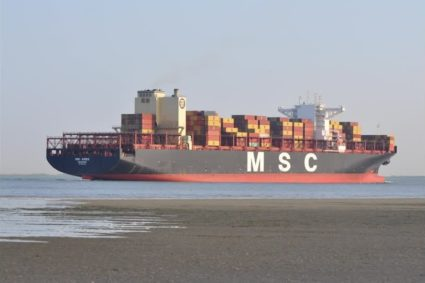
Amid escalating tensions in the Persian Gulf, the crucial Strait of Hormuz—one of the world’s most important shipping routes—has effectively been shut, creating serious concerns for global trade and energy supply.
This narrow stretch of water, which connects the Gulf to the open sea, lies between Iran on one side and Oman and the United Arab Emirates on the other. With its closure, movement in and out of the Gulf by sea has nearly come to a halt.
Hundreds of vessels are now stranded due to the disruption. Reports indicate that over 300 ships remain stuck within the Gulf, while more than 700 are waiting near the Gulf of Oman, unable to pass through.
The crisis comes amid an ongoing regional conflict that began with US-Israeli strikes on Iran and has since spread across the Middle East. Several ships have been targeted during this period, further intensifying fears among global shipping and trade communities.
The Strait of Hormuz is vital for global energy supply, as nearly one-fifth of the world’s oil passes through it. With tanker movement severely affected, supply chains are under pressure and oil prices have surged beyond $100 per barrel.
Tensions have also escalated on the political front. Donald Trump has issued a warning to Iran to reopen the route within 48 hours, while Iran has accused Gulf nations of aiding US operations—allegations that those countries have strongly denied.
Environmental risks are also rising. Greenpeace has warned that dozens of oil tankers carrying massive quantities of oil are stranded in the region, raising concerns about a potential ecological disaster.
As the situation continues to unfold, the global community remains on edge, aware that prolonged disruption in this critical region could have wide-reaching economic and environmental impacts.
News source: Information for this article was gathered from a variety of reliable news outlets.