

Struggling with Diabetes? Start Your Day by Chewing Curry Leaves—Here’s Why It Works
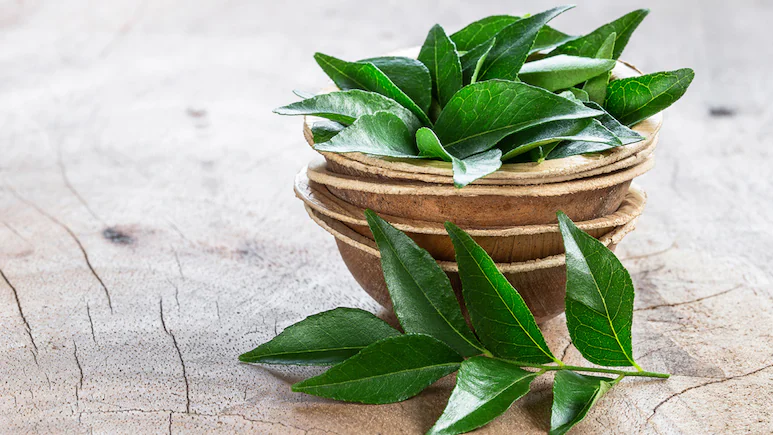
Managing diabetes isn’t just about medication—it’s about making mindful choices every day. What you eat plays a huge role in controlling blood sugar levels, and natural remedies like curry leaves can be powerful allies in your journey.
Packed with powerful compounds like alkaloids and flavonoids, curry leaves are more than just a fragrant kitchen ingredient. These natural compounds may help improve insulin sensitivity and regulate blood sugar, making them a great addition to a diabetic-friendly lifestyle.
Why Curry Leaves Can Be a Game-Changer for Diabetics
Better Blood Sugar Control: Regular consumption of curry leaves may help bring down blood sugar levels naturally.
Rich in Antioxidants: Their antioxidant properties help fight oxidative stress, a major concern in diabetes that can lead to complications like neuropathy or kidney issues.
Heart Health Support: People with diabetes are more prone to heart disease. Curry leaves may help by improving cholesterol levels and supporting a healthier heart.
How to Use Curry Leaves Daily
The simplest and most effective way? Chew 8–10 fresh curry leaves every morning on an empty stomach. This simple ritual could help:
Boost metabolism
Support digestion
Aid weight management
Reduce inflammation
Deliver key nutrients like vitamins A, B, C, iron, calcium, and healthy fats
Prefer something warm? Brew a herbal tea using curry leaves or toss them into your daily meals—curries, soups, rice dishes, or stir-fries.
The Bottom Line
Diabetes management takes consistency, but small changes like adding curry leaves to your routine can make a meaningful difference. With their natural benefits, these leaves support not just your blood sugar, but your overall well-being. So why not let nature lend a hand in your daily health journey?
News Source : “Information for this article was gathered from a variety of reliable news outlets.”