

Shanghai Auto Show Shines Spotlight on EV Future, Even as Global Trade Tensions Loom
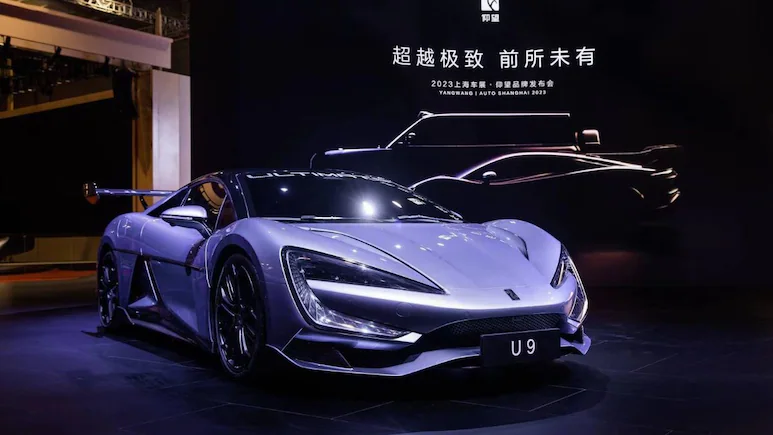
The buzz is back in Shanghai as the world’s largest auto expo kicks off, painting a bold picture of the electric vehicle (EV) future—even while global tariff wars cast long shadows.
Opening its doors Wednesday, Auto Shanghai 2025 has drawn nearly 1,000 exhibitors, ranging from state-owned giants to nimble startups like Nio and Xpeng, as well as tech titans Huawei and Xiaomi. The energy is electric—literally—as the Chinese auto industry shows off its cutting-edge innovations and ambitions for global EV dominance.
China, now the undisputed leader in the EV race, owes its rapid rise to strong state support and a young, tech-savvy consumer base. Unlike other major markets seeing stagnation, the Chinese EV market is still booming, with a strong focus on smart features like autonomous driving.
A report by consultancy AlixPartners, released just ahead of the show, highlights how intelligent-vehicle technology is supercharging domestic growth.
The expo, running through May 2, is packed with high-tech unveilings—sleek luxury SUVs, futuristic sedans, and smart multi-purpose vehicles. On Tuesday night, Volkswagen, the biggest foreign player in China, tried to make a splash with new model reveals and a localized driver assistance system. “Our biggest push in EV history begins here,” said Ralf Brandstatter, the company’s China chief.
A Fierce Battlefield for Brands
Competition is fierce. Local players are turning up the heat on foreign brands with aggressive pricing and rapid innovation. Startups are battling giants, and even tech firms like Xiaomi are now in the auto game.
Battery leader CATL announced a breakthrough this week: a lightning-fast charging tech that adds 520 kilometers of range in just five minutes, outpacing rival BYD. Yet, the competitive intensity has also led to casualties—some startups have folded under the pressure, and major players like SAIC Motor and Geely are entrenched in a brutal price war.
To mitigate domestic saturation, Chinese automakers are ramping up exports, targeting Europe, Southeast Asia, and Latin America. In fact, China outpaced Japan last year to become the top global car exporter, shipping 6.4 million vehicles.
Tariffs Complicate the Road Ahead
But it’s not all smooth driving. Companies like Nio are learning the hard way that expanding abroad isn’t easy. Europe, in particular, presents logistical headaches—and higher tariffs are hitting hard.
Foreign automakers operating in China, like Ford and General Motors, also feel the pinch as U.S.-China trade tensions drag on. Reciprocal tariffs, first triggered by Donald Trump’s administration, remain a costly barrier.
On the European front, extra tariffs on Chinese cars—due to alleged unfair subsidies—are dampening prospects. Still, exports to regions like Russia and the Middle East are softening the blow.
According to AlixPartners, while tariffs will increase the cost of Chinese auto component exports by roughly 24%, this only impacts a small fraction (3.8%) of the industry’s total production value.
Looking Ahead
China’s internal challenges are just as real—low consumer spending and concerns of overproduction linger. But experts say don’t count China out.
“If anyone thinks China is losing ground, just look at Shanghai,” said German auto analyst Ferdinand Dudenhoeffer. “The reality is the opposite. If Western carmakers want to win again, they need to think—and act—more like the Chinese.”
As Auto Shanghai 2025 powers forward, one thing is clear: China isn’t just participating in the EV race—it’s leading it.
News Source : Information for this article was gathered from a variety of reliable news outlets.