

Middle East Crisis Intensifies, But Hopes for Diplomacy Begin to Emerge
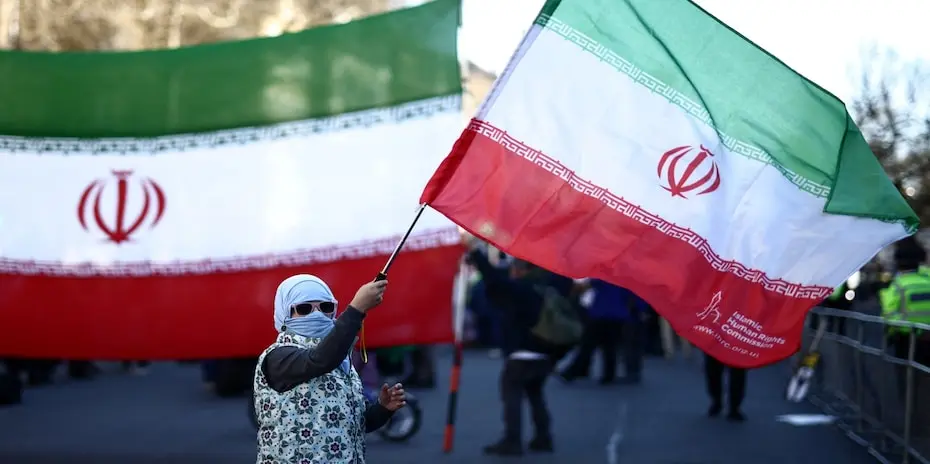
The ongoing conflict involving the United States, Israel, and Iran continues to escalate, with fresh missile attacks, rising tensions, and growing global concern. Explosions were recently reported over Jerusalem following an الإيراني missile launch, highlighting how volatile the situation remains on the ground.
At the same time, there are early signs that diplomacy may be slowly gaining space. The administration of Donald Trump is reportedly exploring new ways to engage with Iran, even considering Iranian Parliament Speaker Mohammad Bagher Ghalibaf as a potential negotiating partner. This shift suggests a move away from purely military action toward dialogue, although Iran has denied that any talks are taking place.
The conflict has also spread beyond borders. In a significant development, rockets were fired from Iraq toward a US military base in Syria—the first such cross-border attack since the war began. Authorities are now investigating the incident and searching for those responsible.
Meanwhile, reports indicate that Trump approved military action against Iran after discussions with Israeli Prime Minister Benjamin Netanyahu, showing how closely coordinated the two allies remain. On the ground, Israeli operations have intensified, with some leaders even suggesting territorial expansion in southern Lebanon—further adding to regional tensions.
Global leaders are closely monitoring the situation. India’s External Affairs Minister S. Jaishankar held discussions with US Secretary of State Marco Rubio, focusing on the conflict’s impact on the global economy and energy security.
Despite ongoing military actions, there are cautious signs of de-escalation. The US has temporarily paused strikes on Iranian energy infrastructure, opening a short window for negotiations. Trump has expressed optimism, claiming that Iran “wants peace” and that discussions are underway, though he also made it clear that no outcome is guaranteed.
On the other hand, Iranian officials continue to deny any negotiations, maintaining a firm stance and emphasizing their existing conditions for ending the conflict. This contradiction between both sides adds to the uncertainty surrounding the situation.
The humanitarian and economic impact is becoming increasingly visible. Oil prices have fluctuated sharply, global markets are reacting, and critical routes like the Strait of Hormuz remain under threat. International organizations have even warned that the region could be approaching a “point of no return” if tensions continue to rise.
For now, the world watches closely as the conflict balances between further escalation and a possible diplomatic breakthrough—both of which could shape the future of the region and beyond.
News source: Information for this article was gathered from a variety of reliable news outlets.