

Israel-Iran War Escalates: Over 555 Dead In Iran As Strikes Expand To Energy Sites, Nuclear Facility Hit
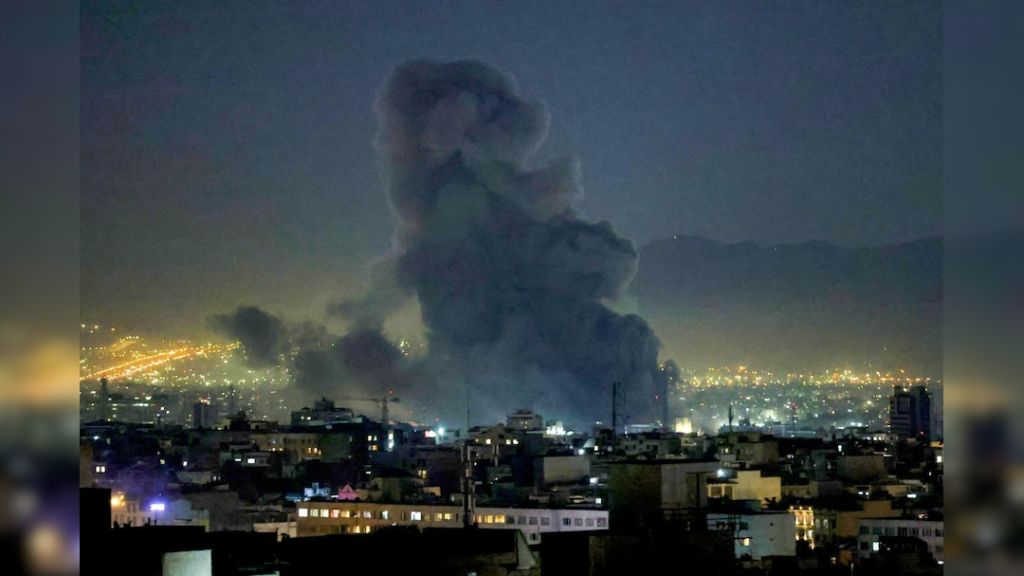
The conflict between Iran and Israel has intensified dramatically, with Iran reporting that at least 555 people have been killed since the United States and Israel launched coordinated strikes across the country, according to the Iranian Red Crescent Society. The latest wave of attacks and retaliatory strikes has widened the war across the Middle East, threatening critical energy infrastructure and global oil supply routes.
Saudi Oil Refinery Targeted
Iran’s latest retaliation included a drone attack on Ras Tanura Refinery, one of the largest oil processing facilities in the world and a crucial hub for Saudi Arabia’s petroleum exports.
Saudi Arabia’s defence ministry said its air defence systems intercepted the incoming drones. However, the attack triggered a fire inside the complex, forcing authorities to temporarily shut down some operational units as a precaution.
Officials said the temporary shutdown has not affected the supply of petroleum products to domestic markets, but analysts warn that repeated attacks on Gulf energy infrastructure could destabilise global oil markets.
Strategic Oil Route Under Threat
The tensions have also spilled into the Strait of Hormuz, a narrow but vital waterway through which around one-fifth of the world’s oil trade passes.
Iran has reportedly threatened shipping traffic in the area, and several vessels have already been attacked. Experts say the situation raises serious concerns for international energy supply chains.
Torbjorn Soltvedt, an analyst at risk intelligence firm Verisk Maplecroft, said the attack on Ras Tanura signals a dangerous escalation.
“An extended period of uncertainty lies ahead as Iran seeks to impose a heavy economic cost by putting tankers, regional energy infrastructure, trade routes and US security partners in the crosshairs.”
Nuclear Facility At Natanz Hit
Meanwhile, Iran confirmed that its key nuclear installation at Natanz Nuclear Facility was struck during US-Israeli airstrikes.
Iran’s envoy to the UN nuclear watchdog said the attack targeted what Tehran describes as peaceful and internationally monitored nuclear facilities.
The remarks were made during a meeting of the International Atomic Energy Agency, where Iran accused Washington and Tel Aviv of violating international law by targeting safeguarded nuclear infrastructure.
Cultural Landmark Damaged In Tehran
The war has also damaged historic sites. Parts of the Golestan Palace, a UNESCO-listed royal complex in Tehran, were reportedly affected by blast waves following nearby missile strikes.
According to Iranian media, windows, mirrors and doors inside the historic palace complex were shattered due to the impact of explosions in the surrounding area.
Israel Signals More Attacks
Israel has indicated that the military campaign is far from over. A spokesperson for the Israel Defense Forces said operations against Iran will intensify in the coming days.
“We will increasingly strike the key elements of the regime and continue to intensify the damage,” Brigadier General Effie Defrin said during a televised briefing.
Growing International Concern
The widening conflict has alarmed governments across the world. Several Gulf nations fear further attacks on energy infrastructure, while Western allies are warning of broader regional instability.
France has already said it is prepared to assist in defending Gulf countries if the conflict expands further.
With energy hubs, nuclear facilities and global shipping routes now caught in the crossfire, analysts warn that the war could have serious economic and geopolitical consequences far beyond the Middle East.
News Source : Information for this article was gathered from a variety of reliable news outlets.