

Iran Strike on Qatar Gas Hub Sends Shockwaves Worldwide, Raises Concerns for India
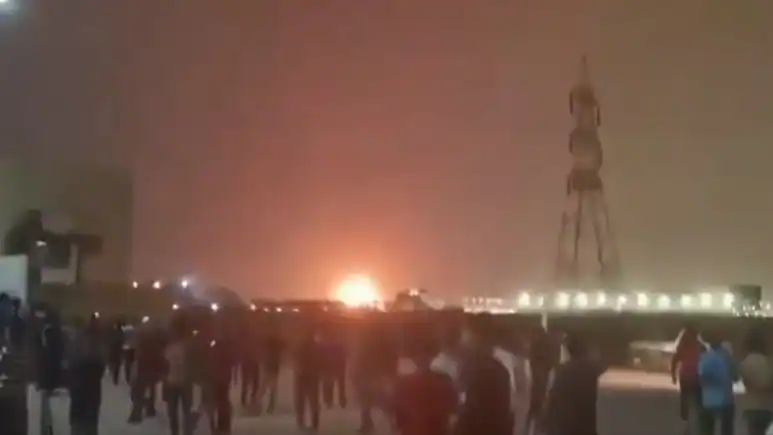
A major escalation in tensions involving Iran has rattled global energy markets after a missile strike hit Ras Laffan, the largest LNG facility in Qatar. The plant, run by QatarEnergy, is a crucial supplier of natural gas to countries across the world—including India.
The attack has forced a complete halt in production at the facility, triggering fresh uncertainty in an already volatile region. The Gulf, which has been at the center of rising hostilities, is now witnessing direct strikes on critical energy infrastructure. These developments come amid Iran’s retaliation against US and Israeli actions, pushing the region closer to a wider crisis.
The impact isn’t limited to the Middle East. The Strait of Hormuz, a key artery for global oil and gas shipments, has effectively turned into a danger zone. Hundreds of cargo vessels are stranded, and fears of further attacks have disrupted normal shipping activity. As a result, global oil and gas prices have begun to surge.
For India, the situation is particularly worrying. The country depends heavily on imported natural gas, with a significant share coming from Qatar. Any disruption in supply directly affects industries, power generation, and overall energy security.
Experts warn that India may now have to cut back on gas usage, especially in sectors like power and manufacturing. With supplies tightening and prices rising, the cost of energy could increase, eventually impacting businesses and households alike.
Already, a portion of India’s gas supply has been disrupted, prompting state-run companies to look for alternative sources. However, sourcing gas from new suppliers often comes at a higher cost, adding to the economic burden.
As the conflict enters its third week, the uncertainty continues to grow. If tensions persist, the ripple effects could deepen—not just for India, but for economies around the world that rely on stable energy supplies.
At its core, this crisis is no longer just about geopolitics. It’s about how a distant conflict can quickly reach homes, industries, and everyday lives through rising energy costs and supply disruptions.
News Source : Information for this article was gathered from a variety of reliable news outlets.