

India Faces Unprecedented Transition in Cricket with Key Retirements and Uncertainty Ahead
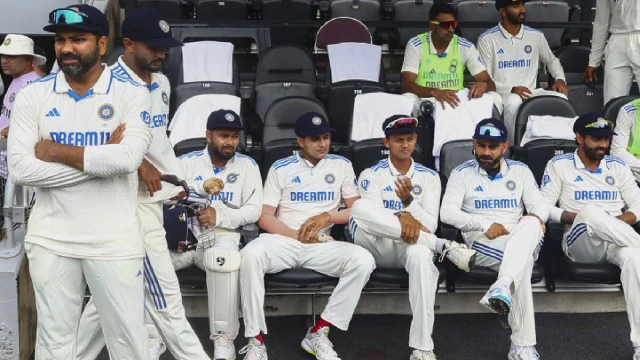
As India steps into 2025, the team is grappling with the most significant transition in its cricketing history. While the change has been anticipated for some time, the recent developments have caught selectors and team management off guard, presenting challenges that India has not yet faced.
The first blow came with the unexpected retirement of Ravichandran Ashwin during India’s tour of Australia. This was soon followed by the shocking possibility that Rohit Sharma, India’s regular captain, may not even make the playing XI for the upcoming Test match at the Sydney Cricket Ground, as head coach Gautam Gambhir refused to confirm his place at a pre-match press conference.
This marks the beginning of a transition that is not only inevitable but also unprecedented in its scale. “In past transitions, there was always one department that carried the team forward, but this time both departments, batting and bowling, are undergoing change at the same time,” Gambhir remarked.
India’s previous transitions, such as the major overhaul between 2012-2014, were handled more gradually. Key players like Rahul Dravid, VVS Laxman, and Sachin Tendulkar exited, while a new generation, including Virat Kohli, Ashwin, Ravindra Jadeja, and Rohit Sharma, took their places smoothly. This time, however, the team is facing a situation where players like Ashwin, Kohli, Jadeja, and potentially Rohit Sharma are either nearing the end of their careers or uncertain of their future in the squad.
Selectors, under Ajit Agarkar, had planned for a gradual transition, but with Ashwin retired and Rohit’s participation in future Tests uncertain, they now find themselves facing the unknown. This creates a unique challenge for India, with key players in batting, pace, and spin needing to be replaced and new faces needing to be developed in record time.
The current batting core includes Yashasvi Jaiswal, Shubman Gill, KL Rahul, and Rishabh Pant, but beyond them, questions remain. Players like Sarfaraz Khan, Devdutt Padikkal, and Abhimanyu Easwaran are yet to fully cement their places, and a lot of responsibility now falls on the shoulders of Nitish Kumar Reddy.
Meanwhile, in domestic cricket, the focus is shifting towards players like 33-year-old Karun Nair, Tilak Varma, B Sai Sudharsan, Rajat Patidar, and Baba Indrajith, as selectors search for the next generation of India prospects. But the pressure on Agarkar and his team is immense, and the path ahead is anything but clear.
News Source : “Information for this article was gathered from a variety of reliable news outlets.”