

How US Sanctions on Russia’s Shadow Fleet May Affect India’s Oil Imports
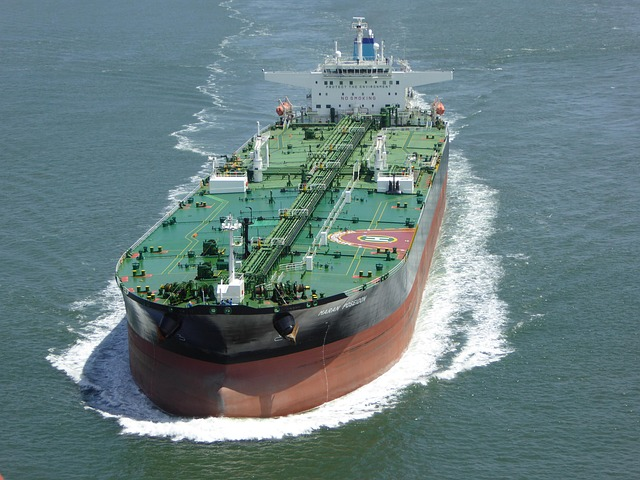
The recent US sanctions targeting Russia’s oil sector, particularly its “shadow fleet” of tankers, could significantly impact India’s oil imports, as Russia has become India’s largest crude supplier. The sanctions, which target 183 tankers involved in transporting Russian oil, along with major Russian oil companies and entities, come as part of the US’s ongoing pressure on Moscow over its invasion of Ukraine. This move aims to curtail Russia’s ability to ship oil to markets like India and China, but its exact effects on India’s oil supply remain uncertain.
The sanctions are set to impact India’s oil imports in the short term, but the overall impact will depend on several factors, including Russia’s pricing and delivery strategies, as well as the direction of US foreign policy under the new administration. Moscow has warned that the sanctions could destabilize global oil markets, though it has promised to take steps to mitigate their impact.
Indian refiners are expected to continue receiving oil cargoes from the sanctioned vessels until March 12, as the wind-down period allows existing contracts to be fulfilled. While India is not part of the sanctions regime, it has generally avoided violating them to prevent secondary sanctions from the US.
However, experts suggest that the sanctions will likely affect the India-Russia oil trade beyond the wind-down period. Despite this, India’s overall oil imports will likely remain unaffected, as other oil-exporting nations can compensate for any shortfalls. Russia’s oil accounted for nearly 38% of India’s total oil imports in 2024, a significant increase from before the Ukraine war, when Russia was a marginal supplier. The rise in Russian oil imports came as Moscow began offering substantial discounts to counter the West’s reluctance to buy Russian oil.
With the sanctions affecting the availability of tankers, Russian oil transport costs are expected to rise, eroding the discounts that India has benefited from. As a result, Indian refiners may increasingly turn to traditional oil suppliers in West Asia, such as Iraq, Saudi Arabia, and the UAE, which are already stepping up their exports to India.
While Russia is working to increase the number of non-sanctioned tankers to transport its oil, this effort will take time. In the meantime, India may find itself relying more on its long-standing suppliers in West Asia, ensuring that its oil supply remains secure despite the evolving global situation.
News Source : “Information for this article was gathered from a variety of reliable news outlets.”