

From Smart Sarees to AI Doctors: Innovations Steal the Spotlight at India AI Impact Summit 2026
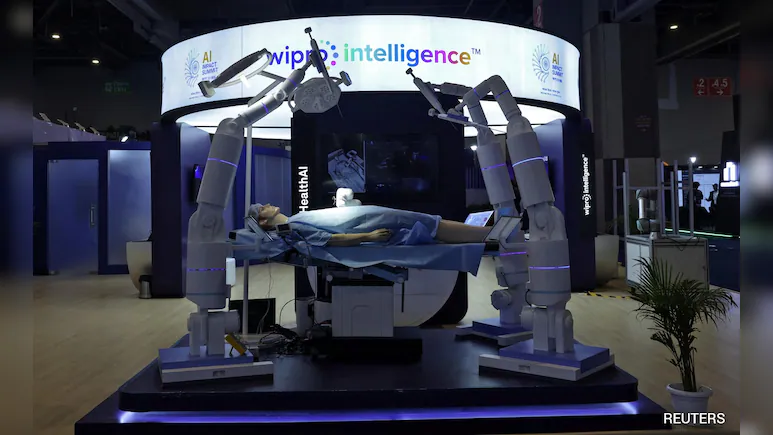
At the India AI Impact Summit 2026 in New Delhi, artificial intelligence was not just discussed in theory—it was seen working in everyday, real-world scenarios. Exhibits showed how AI is moving beyond phones and computers to transform industries such as textiles, healthcare, education, retail, and transportation.
Here are five innovations that stood out for their practical impact and human-centred design.
AI That Designs and Helps Weave Sarees
India’s handloom sector supports millions of artisans, but creating complex designs traditionally takes weeks and often leads to costly mistakes. An intelligent design platform demonstrated at the summit allows users to create patterns using voice commands, sketches, or images and instantly generate loom-ready designs.
The system also provides 3D and augmented-reality previews so customers can visualise the final fabric before weaving begins. A smart guidance feature on the loom helps weavers follow intricate patterns, reducing errors and saving time. This means artisans can focus more on craftsmanship rather than calculations.
Electric-vehicle manufacturer Ultraviolette Automotive showcased a next-generation electric motorcycle equipped with radar and camera-based safety systems.
The bike can detect surrounding vehicles and alert the rider in real time, offering an extra layer of safety in heavy traffic. Features such as integrated cameras, fast charging, and extended range highlighted how AI and sensors are reshaping mobility and road safety.
AI Helping Doctors Make Faster Diagnoses
In many smaller towns and rural clinics, specialists are not always available. A healthcare AI solution demonstrated how technicians performing scans can receive real-time analysis and guidance.
The system identifies potential conditions, highlights areas of concern, and suggests possible diagnoses while allowing doctors to make the final decision. By acting as a second pair of eyes, the technology helps reduce human error and speeds up treatment.
AI Monitoring Exams Without Replacing Teachers
Education technology firms presented AI systems designed to assist teachers in monitoring exams. The software tracks patterns such as unusual submission behaviour or identical long-form answers and flags them for review.
Importantly, the system does not penalise students automatically; it simply alerts teachers, preserving fairness while saving time in large classrooms and online assessments.
Virtual Fitting Rooms for Faster Shopping
Retail technology was another highlight, with virtual try-on kiosks allowing shoppers to see how clothes would look on them without entering a changing room. After scanning an image, users can view outfits instantly, customise styles, and even download their looks to decide later.
This approach reduces waiting times and makes shopping more convenient, especially in crowded stores.
AI Becoming Part of Everyday Life
The innovations on display made one thing clear: artificial intelligence is steadily blending into daily life, quietly assisting people in their work, travel, health, and shopping. Rather than replacing humans, many of these technologies are designed to support decision-making, reduce errors, and save time—bringing AI closer to the real world than ever before.
News Source : Information for this article was gathered from a variety of reliable news outlets.