

Australia Sets Bold Precedent with Social Media Ban for Under-16s
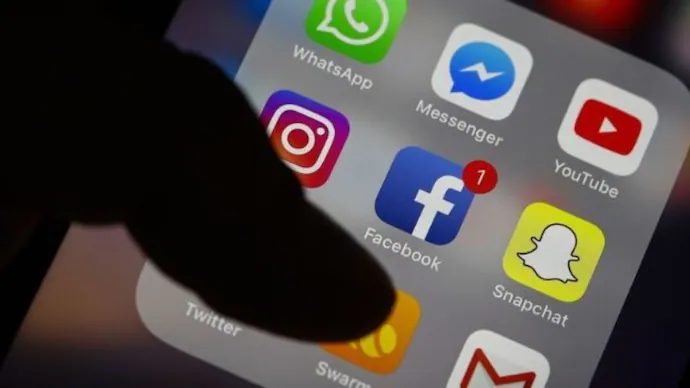
Australia has made global headlines by becoming the first country to impose an outright social media ban for children under the age of 16. The groundbreaking legislation, passed after a year of passionate debate, compels tech giants like Meta (owner of Instagram and Facebook) and TikTok to block minors from accessing their platforms or face hefty fines of up to AUD 49.5 million (USD 32 million).
This law, known as the Social Media Minimum Age Bill, was approved in the final parliamentary session of the year, marking a significant victory for Prime Minister Anthony Albanese’s government. The regulation, set to take full effect in a year following trial enforcement methods in January, is seen as a global test case for stricter controls on Big Tech amid growing concerns about the impact of social media on young people’s mental health.
A Divided Nation Grapples with the Ban
The decision to enact the ban followed emotional testimonies from parents who lost children to cyberbullying and self-harm, as well as a widespread campaign titled “Let Them Be Kids,” spearheaded by Rupert Murdoch’s News Corp. A nationwide poll revealed that 77% of Australians supported the measure.
While parent advocacy groups lauded the move as a necessary step to combat online bullying and protect mental health, critics argued it could do more harm than good. Some youth organizations and academics warned that cutting off access to social media might isolate vulnerable groups, including LGBTQIA and migrant teens, who often rely on these platforms for support networks.
“There’s a real risk of alienating the most at-risk youth by removing their primary connection to community and resources,” said the Australian Human Rights Commission.
Privacy Concerns and Industry Pushback
The legislation has also sparked heated debates about privacy and digital surveillance. Critics fear the law could pave the way for more invasive data collection, even though a last-minute amendment requires platforms to offer alternatives to uploading identification documents for age verification.
Digital Industry Group’s managing director, Sunita Bose, representing major tech companies, argued the government rushed the law without clear guidance. “We have the bill but lack direction on how companies are expected to implement it effectively,” she said.
Implications for the Future
Although the ban aims to foster a safer environment for the next generation, some believe it could backfire. Experts warn it may drive young people toward less regulated and potentially harmful online spaces.
“This won’t stop teenagers from finding ways around the restrictions,” said 16-year-old Sydney student Enie Lam. “Instead, it might create a generation of tech-savvy youth skilled in bypassing controls, which could lead to unintended consequences.”
Despite the controversy, the bill’s supporters are optimistic. Anti-bullying advocate Ali Halkic, who lost his son to social media bullying in 2009, emphasized the importance of early intervention. “For those under 15, it will be an adjustment, but for the younger generation coming up, it’s a chance to grow up without the pressure of social media,” he said.
A Global Ripple Effect
Australia’s landmark legislation has set the stage for other governments to rethink their approach to regulating Big Tech. While countries like France and some U.S. states have restricted minors’ social media use with parental consent, Australia’s absolute ban raises questions about the balance between safeguarding mental health and preserving individual freedoms.
The move could also strain Australia’s relationship with its key ally, the U.S., as tech leaders like Elon Musk criticize the law as a gateway to broader internet control. Nevertheless, the Albanese government remains firm, viewing this as a bold step toward a safer digital future for children.
News Source : “Information for this article was gathered from a variety of reliable news outlets.”