

Air India Under Fire Again: APU Blaze on Hong Kong-Delhi Flight, Third Scare in 48 Hours
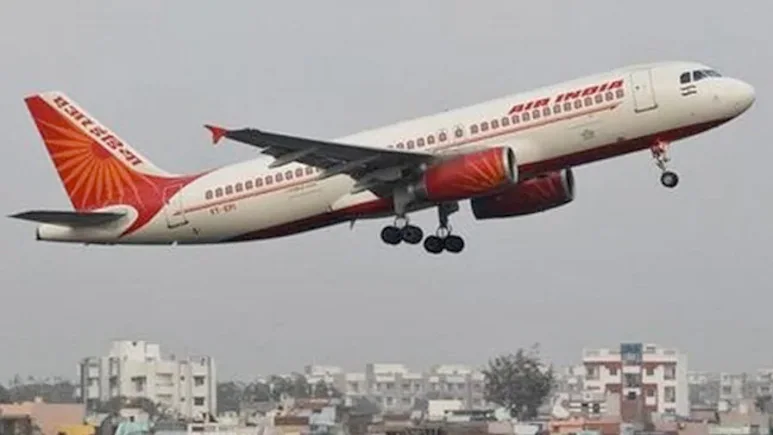
New Delhi: An Air India flight (AI-315) from Hong Kong to Delhi sparked fresh safety concerns after its auxiliary power unit (APU) caught fire moments after landing at Indira Gandhi International Airport on Tuesday. The incident occurred while passengers were still deboarding the aircraft — an Airbus A321 — but all on board were reported safe. The APU automatically shut down as per safety protocol after detecting the fire.
Air India confirmed there was “some damage” to the aircraft, which has since been grounded for inspection. The Directorate General of Civil Aviation (DGCA) has been informed and is investigating the incident.
This event marks Air India’s third safety scare in just two days, adding to a growing list of recent mishaps:
- On Monday, a Kochi-Mumbai flight veered off the runway during landing, damaging both the aircraft and the tarmac.
- Hours later, a Delhi-Kolkata flight aborted take-off at high speed due to a last-minute technical issue.
- Last month, a Dreamliner on the same Delhi-Kolkata sector was forced to return mid-air after a separate technical glitch.
Ongoing Safety Scrutiny
These incidents are unfolding against a backdrop of heightened scrutiny. Junior Aviation Minister Murlidhar Mohol told Parliament that Air India has received nine notices in six months related to five separate safety violations.
The AI-171 Tragedy Looms Large
The most alarming incident remains the crash of Air India flight AI-171, a Boeing 787-8 Dreamliner traveling from Ahmedabad to London. On June 12, the aircraft crashed just 32 seconds after take-off, killing 274 people, including 19 on the ground. Only one passenger survived.
A preliminary report suggested that both fuel supply switches had inexplicably moved from “RUN” to “CUTOFF,” causing the engines to lose thrust. A leaked cockpit recording raised suspicions, with one pilot allegedly asking why the fuel was cut off — and the other denying doing it. A Wall Street Journal report implied deliberate human action, a claim slammed by the Indian government and the aviation community as “baseless” and “irresponsible”.
The AAIB (Aircraft Accident Investigation Bureau) and the U.S. National Transportation Safety Board are jointly probing the case. As a precaution, all Indian Boeing aircraft were ordered to undergo emergency checks on fuel control switches. Air India has stated it completed inspections and found no mechanical issues.
As Air India continues to battle questions around safety, these mounting incidents are likely to raise pressure on both the airline and aviation regulators to act decisively and transparently.
News Source : Information for this article was gathered from a variety of reliable news outlets.