

Ramadan 2026 Moon Sighting: Likely Start Dates Around the World
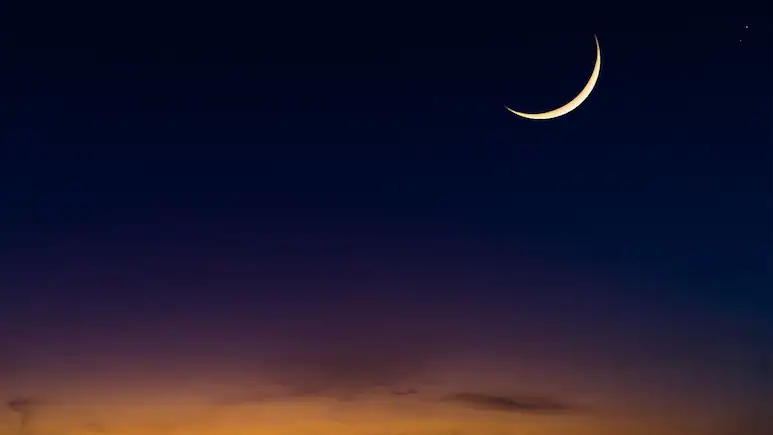
Ramadan 2026 is expected to begin this week, with Muslims worldwide awaiting official confirmation based on the sighting of the crescent moon. Astronomical calculations suggest that Thursday, February 19, 2026, is the most likely first day of fasting in many countries, although final announcements depend on local moon-sighting authorities.
Why February 19 Is Considered Most Likely
According to Crescent Moon Watch, run by the UK’s Nautical Almanac Office, the astronomical new moon will occur on February 17 at 3:01 pm in Mecca (12:01 GMT). On that evening, the crescent will set only a few minutes after sunset and will be extremely thin, making naked-eye visibility nearly impossible.
By the evening of February 18, the moon will be older and higher above the horizon, improving visibility and making February 19 the probable start of Ramadan in most regions.
Expected Start Dates by Region
- Middle East: Authorities in Saudi Arabia will confirm the date after moon-sighting on February 17. Countries such as the United Arab Emirates typically follow Saudi Arabia’s decision. February 19 is widely anticipated.
- North America: Organizations including the Fiqh Council of North America and the Islamic Society of North America, which rely on astronomical calculations, have announced February 18 as the first day of fasting.
- Europe: The European Council for Fatwa and Research has declared February 19 as the start, and Turkey has also confirmed that date.
- South Asia: Countries such as India and Pakistan are expecting Ramadan to begin on February 19, subject to local moon sightings.
- Southeast Asia: Singapore has officially announced a February 19 start.
- Africa and Oceania: Many African nations and Australia are also expected to begin fasting on February 19, following similar lunar visibility patterns.
How the Ramadan Moon Is Determined
The Islamic calendar is lunar, and each month begins with the sighting of the crescent moon. Observers look westward after sunset on the 29th day of Sha’ban. Key factors for visibility include:
- Elongation: The angular distance between the moon and the sun, ideally 10–12 degrees for clear visibility.
- Altitude: A higher position above the horizon improves chances of sighting.
- Lag time: A longer interval between sunset and moonset increases visibility.
If the crescent is not seen, Sha’ban completes 30 days and Ramadan starts the following day.
Significance of Ramadan
Muslims believe Ramadan commemorates the period when the first verses of the Quran were revealed to Prophet Muhammad about 1,400 years ago. From dawn (Fajr) to sunset (Maghrib), observant Muslims abstain from food, drink, and other physical needs, as fasting is one of the Five Pillars of Islam.
In many Muslim-majority countries, working hours and school schedules are adjusted during the month to accommodate fasting.
News Source : Information for this article was gathered from a variety of reliable news outlets.