

Explained: Why Over 200 IndiGo Flights Were Cancelled Across India
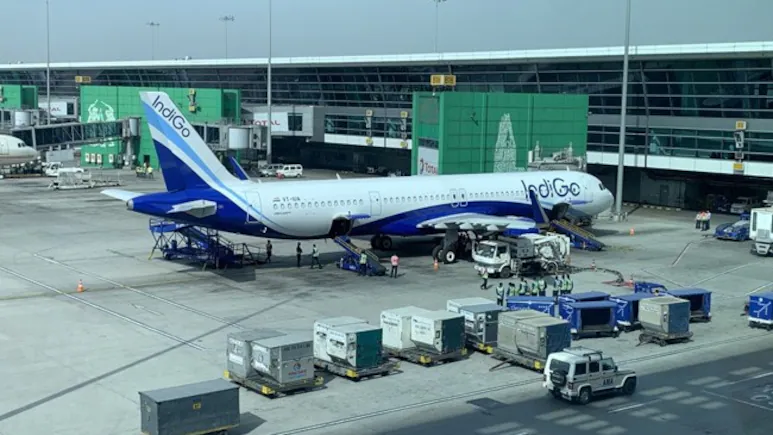
India’s largest airline, IndiGo, has been facing one of its most severe operational breakdowns in recent years. Over 200 flights were cancelled, hundreds were delayed, and thousands of passengers across major airports were left stranded in long queues, wondering what caused the sudden collapse in schedules.
The disruption was triggered by a mix of crew shortages, stricter new duty-time rules, technical failures, and heavy airport congestion—creating a perfect storm for chaos.
What Triggered the Massive Disruption?
1. Severe Pilot & Crew Shortage
IndiGo has been struggling to staff flights after the new pilot duty-time regulations took effect on November 1.
The rules reduce how long pilots can fly and increase their mandatory rest. As a result, many flights couldn’t operate simply because there were no legally available crew members left to fly them.
Some entire flight rotations had to be cancelled because pilots who were earlier rostered became ineligible under the new limits.
2. The New FDTL Rules (Stricter Roster Regulations)
India’s upgraded Flight Duty Time Limitations aim to reduce fatigue and improve safety—which is good for flyers, but difficult for airlines to adjust to.
For IndiGo, which runs a massive network of over 2,200 flights a day, the changes meant:
- Reworking night-landing schedules
- Redesigning weekly rosters
- Increasing rest hours
- Deploying more pilots for the same number of flights
Insiders say IndiGo’s scheduling systems struggled to adapt, causing immediate staffing gaps on busy routes.
3. Technical Failures at Airports
On Tuesday, airports like Delhi and Pune suffered breakdowns in check-in and departure systems.
This led to long queues, slower processing, and cascading delays throughout IndiGo’s tightly timed rotation system.
4. Winter Congestion + Fog Season
Peak winter travel, fog-related delays, and heavy airport congestion further worsened the situation.
With IndiGo operating one of the densest networks in Asia, even small delays created nationwide ripple effects.
How Bad Was It?
- IndiGo’s on-time performance dropped to 35% on Tuesday.
- Over 1,400 flights were delayed that day alone.
- 1,232 flights were cancelled in November, according to DGCA.
- Stranded passengers across India reported cancellation notices at the last minute.
What Are These New Roster Rules? (In Simple Terms)
The DGCA has introduced tougher norms to improve aviation safety:
Key changes:
- Longer rest periods for pilots
- Only 2 night landings allowed in a specific period (down from 6)
- Maximum flying time:
- 8 hours/day
- 35 hours/week
- 125 hours/month
- 1000 hours/year
- Mandatory rest: twice the duration of the flight duty, minimum 10 hours in 24 hours
These changes require airlines to maintain larger pools of pilots, especially for night operations.
Why IndiGo Was Hit Harder Than Others
Although the rules apply to all carriers, IndiGo suffered the most due to:
1. Massive Scale
IndiGo runs the majority of India’s domestic flights. A small disruption affects a huge number of routes.
2. Heavy Night Operations
Since IndiGo operates many overnight flights, the night-landing cap severely limited crew availability.
3. Tight Crew Utilisation Model
The airline relies on maximum efficiency. The new limits created immediate staffing gaps.
4. Complex Network
With thousands of daily flights, rescheduling wasn’t as easy as it was for smaller airlines.
When Will Things Improve?
IndiGo says operations should stabilise within 48 hours, but delays are expected to continue as:
- Crew rotations are reset
- Night flight schedules are revised
- Aircraft are reassigned
- Pre-planned cancellations are announced to avoid chaos
The airline has apologised to passengers and advised them to keep checking their flight status regularly.
News Source : Information for this article was gathered from a variety of reliable news outlets.