

Sundar Pichai Calls Immigrants’ Role in US Tech “Phenomenal” Amid H-1B Crackdown
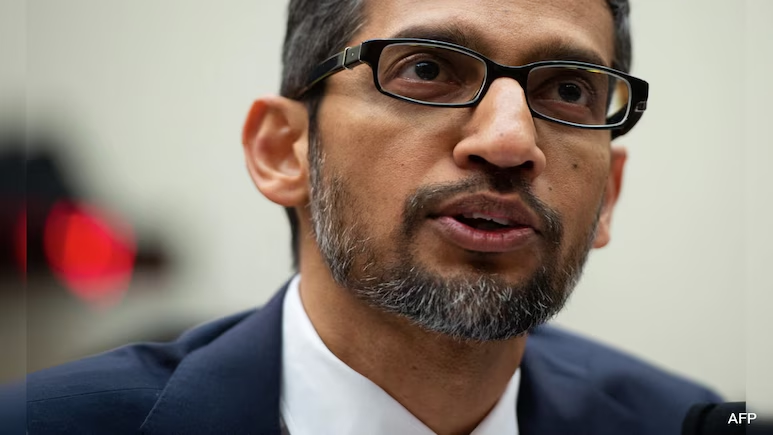
Alphabet CEO Sundar Pichai has strongly defended the value of immigrants in the United States, especially within the technology sector, saying their contributions have been “nothing short of phenomenal.” Speaking to the BBC, Pichai said the US government recognises this importance and is working to maintain pathways for skilled workers despite recent debates over the H-1B visa programme.
Pichai, who first arrived in the US as an international student before transitioning to an H-1B visa and eventually becoming the head of Google and Alphabet, acknowledged that the visa system has flaws but stressed that efforts are underway to improve it. “There’s a framework that still allows companies to bring in talented individuals,” he said, adding that changes are being considered to address gaps in the current programme.
His latest comments echo his longstanding support for immigrant workers. In June 2020, after the Trump administration temporarily suspended several work visas, Pichai wrote that immigration had played a crucial role in America’s economic success and in building companies like Google. He called the move “disappointing” and pledged support for expanding opportunities for all immigrants.
The H-1B debate resurfaced after Donald Trump announced a proposed $100,000 fee for new applications in September. The White House later clarified that the intention is to curb misuse of the system, not abolish it.
However, a more extreme proposal has emerged from Congresswoman Marjorie Taylor Greene, who said she intends to introduce a bill to entirely shut down the H-1B visa category and eliminate its path to permanent residency—forcing workers to return home once their visas expire. Her bill includes only one exemption: up to 10,000 visas annually for medical professionals like doctors and nurses.
If such a law were enacted, it would disproportionately affect Indian nationals, who make up more than 70% of all approved H-1B visas in recent years due to the country’s large STEM-skilled workforce and strong demand in the US tech industry.
News Source : Information for this article was gathered from a variety of reliable news outlets.