

IT Union Files Dispute Against TCS Over Layoffs; Karnataka Government May Step In
Bengaluru:
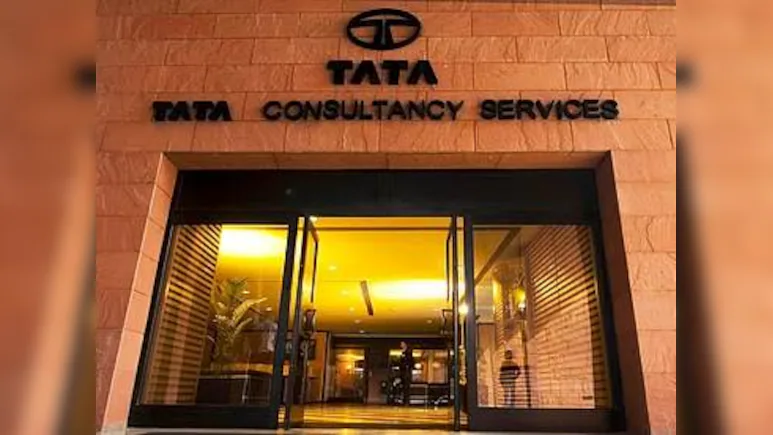
The Karnataka State IT/ITeS Employees Union (KITU) has filed an industrial dispute against Tata Consultancy Services (TCS), accusing the company of violating provisions of the Industrial Disputes Act, 1947, in relation to its proposed layoffs. The union has also urged the state Labour Department to take prompt action against the company’s management.
Earlier this week, TCS announced plans to reduce its global workforce by 2% during the 2026 financial year, potentially affecting around 12,000 employees.
Representatives from KITU met with Additional Labour Commissioner G. Manjunath on Wednesday and submitted a formal complaint outlining various employee grievances. Under the Industrial Disputes Act, any company employing over 100 workers must seek prior approval from the government before initiating layoffs or retrenchments—actions that must meet clearly defined legal criteria. KITU alleges that TCS has failed to comply with these requirements.
The union is demanding criminal proceedings against the company officials responsible for these alleged violations and immediate intervention by the Labour Department to protect affected workers.
Sources within the Labour Department confirmed that a meeting with TCS management is in the works, with the state Labour Minister calling for the session to be scheduled as soon as possible.
KITU emphasized the urgency of the matter, warning that inaction could create a dangerous precedent for labour rights in Karnataka’s IT sector. The union has called for the strict enforcement of labour laws to safeguard employee interests.
In response, TCS stated that the layoffs are part of its broader strategy to become a “future-ready organisation,” which involves adopting new technologies, expanding into new markets, and restructuring its workforce. The company added that it has been actively investing in reskilling and redeployment efforts, but employees who cannot be redeployed will be released.
“This will affect around 2% of our global workforce, mainly those in mid- to senior-level roles, over the course of the year,” the company said in a statement.
News Source : Information for this article was gathered from a variety of reliable news outlets.