

How Kerala Nurse Nimisha Priya Escaped Execution In Yemen – For Now
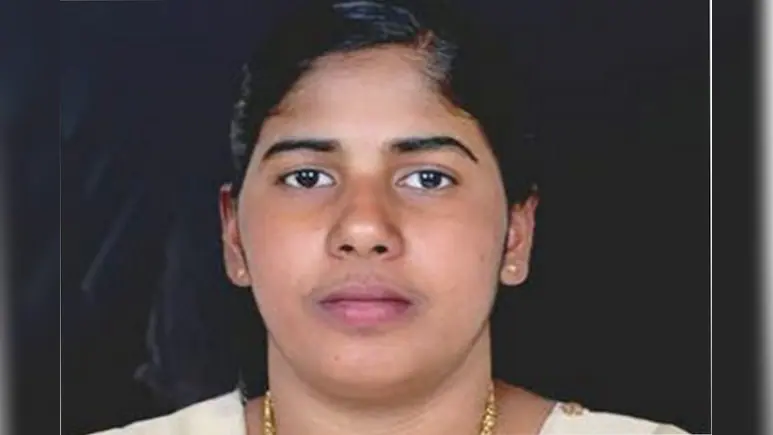
Kerala-based nurse Nimisha Priya, who was facing the death penalty in Yemen for the alleged murder of her Yemeni employer, has received a temporary reprieve thanks to coordinated efforts involving religious diplomacy and behind-the-scenes diplomatic negotiations.
The Grand Mufti of India, Sheikh Abubakr Ahmad, played a pivotal role in stalling her execution by reaching out to prominent Yemeni cleric Sheikh Umar bin Hafiz. The Indian Mufti requested his Yemeni counterpart to intervene with the family of Talal Abdol Mehdi, the man Nimisha was convicted of killing.
According to Deputy Mufti Hussain Saquafi, Sheikh Umar responded positively and sent his students to speak directly with the victim’s family. These efforts resulted in a temporary four-hour stay on Nimisha’s execution, providing a critical window of opportunity for her legal team and supporters to push for a permanent resolution.
Sectarian Divide Bridged
A significant factor in the breakthrough was the Sunni religious alignment between Sheikh Umar and the victim’s family. Despite the Houthi Shia regime controlling the Yemeni capital Sanaa, Sheikh Umar’s influence managed to transcend sectarian divides and gain traction with the family.
Sources from India’s Ministry of External Affairs confirmed that “quiet but continuous” diplomatic outreach had been in motion for months. An Indian official posted in Saudi Arabia, who handles Yemen-related affairs, played a key role in the negotiations.
“The Israel-Iran conflict briefly halted the process,” an official stated, “but we resumed talks as soon as tensions eased.”
Offer of Blood Money
India reportedly offered a substantial amount of “diyya” or blood money to the victim’s family in a bid to secure a pardon. One official claimed, “We even offered 20 crore rupees if the family demanded two. Yet they initially refused.”
Path Forward
Though the execution has only been suspended and not canceled, the pause has rekindled hopes of a lasting settlement through financial compensation or a legal arrangement.
The case highlights how religious networks and unofficial diplomacy can sometimes open doors that traditional political channels cannot.
India’s Strategy
India’s approach combined official efforts with religious outreach. Sheikh Abubakr Ahmad’s involvement came after the Indian government submitted an affidavit to the Supreme Court acknowledging limited influence in the matter. Following appeals from Kerala politicians, the Mufti leveraged his longstanding relationship with Sheikh Umar to mediate.
A source from the Ministry of External Affairs said, “A stay on execution doesn’t happen in a day with a single phone call. It’s the result of months of consistent work.”
Background of the Case
Nimisha Priya, a nurse from Kerala, moved to Yemen in 2008 for better job opportunities. After working in hospitals, she opened her own clinic with the help of a Yemeni business partner, Talal Abdol Mehdi, to meet local legal requirements.
According to reports, Mehdi allegedly mistreated Priya, withheld her passport, and stole her earnings. In 2017, she injected him with a sedative in an attempt to recover her passport while he was unconscious. However, he died, and she was arrested while trying to flee the country.
The case has drawn attention across India, especially in Kerala, where activists and rights groups have urged the government to do more to save her.
While her execution has been paused, her fate remains uncertain — with her life still hanging in the balance.
News Source : Information for this article was gathered from a variety of reliable news outlets.