

Bengaluru Couple Trapped in ‘Digital Arrest’ Scam, Lose ₹4.79 Crore to Cybercriminals
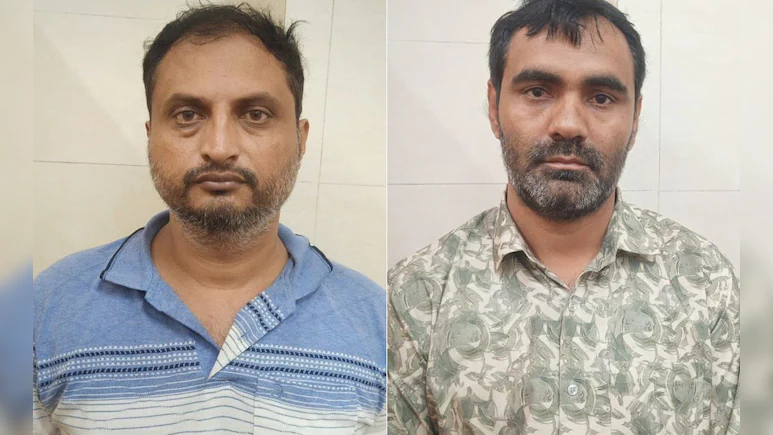
In a harrowing tale of cybercrime, a retired engineer and his wife in Bengaluru were defrauded of ₹4.79 crore by scamsters who subjected them to a fake “digital arrest” for over two-and-a-half months. The elderly couple was manipulated through fear, deception, and fake official warnings into believing they were involved in money laundering and owed large amounts in credit card dues.
According to Bengaluru Southeast DCP Sarah Fatima, the criminals, identified as Eshwar Singh and Narayan Singh Chaudhary, pretended to be law enforcement officials and threatened the couple with arrest by the Central Bureau of Investigation (CBI) and Enforcement Directorate (ED). To make the threat seem real, the scammers even issued fake arrest warrants.
Fearing legal action and public humiliation, the couple made multiple transfers, eventually parting with nearly ₹4.8 crore. During the so-called “digital arrest,” the couple was isolated and psychologically pressured, a tactic designed to prevent them from speaking to family or seeking help.
After a detailed investigation, police managed to arrest both culprits. They recovered ₹10 lakh from Singh and over ₹1.08 crore from Chaudhary’s bank accounts. Shockingly, one of the accused even splurged the stolen money at a casino in Sri Lanka. A Look Out Circular was issued, and he was nabbed upon returning to India.
Cyber law expert Pawan Duggal explained that “digital arrest” is a scare tactic designed to create panic, forcing victims to pay up under the illusion of an official investigation. He stressed that no such legal procedure exists in Indian law.
Despite repeated government advisories, many continue to fall for such well-orchestrated scams. The Centre has warned that these cybercriminals pose as government officials and use forged letters and video calls to extract money under the threat of arrest.
Even Prime Minister Narendra Modi raised concern last October, urging citizens to stay alert:
“Beware of digital arrest frauds. There is no such system in Indian law. No government agency will ever ask for money or investigate you via phone or video call.”
This case serves as a grim reminder of how even the most cautious individuals can fall prey to sophisticated cyber deception — and why digital literacy and public awareness have never been more critical.
News Source : Information for this article was gathered from a variety of reliable news outlets.