

Fadnavis Fires Back at Stalin: “Understand NEP Before Questioning PM”
Mumbai:
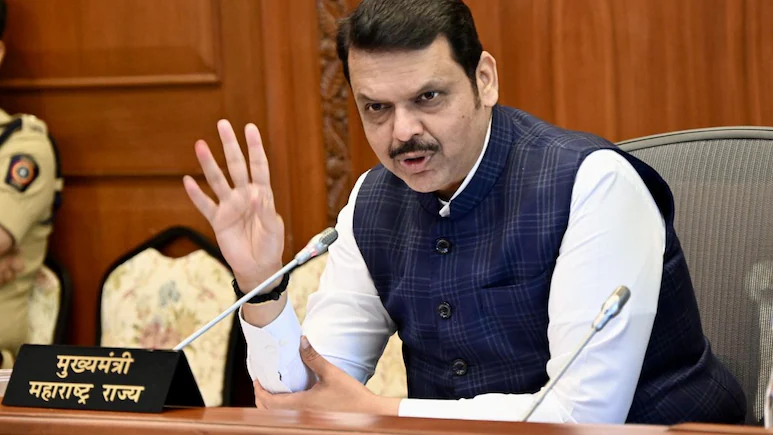
In a sharp rebuttal to Tamil Nadu Chief Minister MK Stalin, Maharashtra Deputy Chief Minister Devendra Fadnavis on Tuesday urged Stalin to first develop a clear understanding of the National Education Policy (NEP) before raising concerns with Prime Minister Narendra Modi.
Fadnavis, in a post on X (formerly Twitter), stated, “Before seeking clarifications from Hon PM Narendra Modi ji, you need a deep understanding of the National Education Policy. First you need to study what exactly NEP is!” He also shared a link to the policy for Stalin’s reference.
Clarifying what the NEP actually promotes, Fadnavis said that the policy does not make any language compulsory. “NEP never insists on or enforces any particular language. It simply encourages the learning of any two Indian languages other than English, out of three,” he explained.
He added that Maharashtra remains inclusive in its language offerings. “We are open to Hindi, Tamil, Telugu, Kannada, Sanskrit—whatever language a student prefers as the third option. The real question is: why are you against multilingualism? Why object if someone wants to learn Hindi?”
Fadnavis was reacting to a post made by Stalin on Monday, where the Tamil Nadu CM accused him of backtracking on Hindi imposition. Stalin had written, “Facing a massive backlash for imposing Hindi as the third language, Maharashtra CM Devendra Fadnavis now claims that only Marathi is compulsory in the state… This reflects his nervousness over the public’s strong opposition.”
Stalin also questioned the Centre, asking whether the Union Government supports Fadnavis’ stance and called for clarity on NEP implementation. He further demanded the release of Rs. 2,152 crore allegedly withheld from Tamil Nadu for not adhering to the third language policy.
The debate follows a statement by Maharashtra Education Minister Dadaji Bhuse, who said that for now, Hindi will not be a compulsory third language in classes 1 to 5 in English and Marathi-medium schools—it will remain optional.
The war of words between the two leaders has brought language politics under the spotlight once again, as states balance regional identity with national education goals.
News Source : Information for this article was gathered from a variety of reliable news outlets.